editorial" "
” “Europe has an important place in the twenty-five years in which Wojtyla has contributed to transforming its face, deformed by the Wall ” “

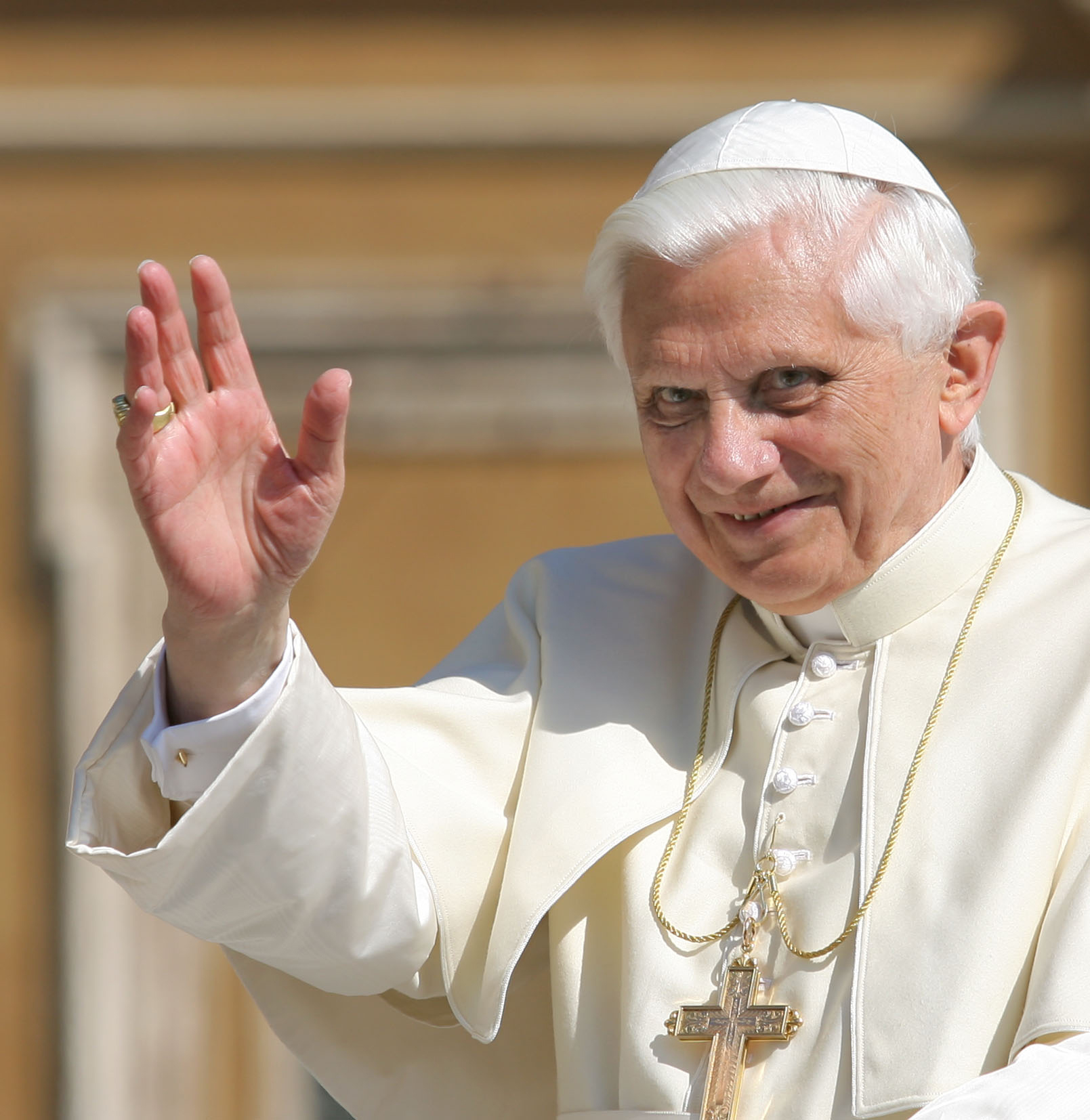
“Anti-historic and offensive for the fathers of the new Europe, among whom a pre-eminent place is due to Alcide De Gasperi”: that’s the Pope’s verdict on the absence of the indispensable link between Europe and the Gospel in the Charter of fundamental rights of the European Union. The Pope made this pronouncement on receiving in audience the participants in the 3rd international Forum on “Europe in the thought of John Paul II” (cf. the report on the following page) . “My greatest concern for Europe continued the Pope is that she may preserve and enable her Christian heritage to bear fruit”. According to John Paul II, in response to widespread laicism and secularism, “the ‘old’ continent has a need for Jesus Christ if it is not to lose its soul and what it is that made it great in the past and still today wins the admiration of other peoples” because it is by virtue of the Christian message that the great human values of the dignity and inviolability of the person, of freedom of conscience, dignity of work and of the worker, and of the right of each and everyone to a dignified and secure life have gained ground in consciences”. These are values the Pope added without which Europe “risks succumbing to ideological relativism and moral nihilism”. John Paul II is undoubtedly the most universal of popes, the first non-Italian pope for centuries, a record traveller all over the world. His is a great pontificate perfectly in tune with the processes of globalization of which so much is being spoken today, simply because it is catholic. Not least for this reason Europe has an important place in the twenty-five years in which Karol Wojtyla has contributed to transforming her face, deformed by the Wall. In various of his interventions in recent months a new concern has thus made itself heard: the need to follow and support a delicate transition in Europe’s history, i.e. the need for the Union to gain full political and constitutional awareness and make the delicate choices that are its consequence. With the consciousness that these choices will be important not only within the frontiers of the Fifteen but may also become exemplary on a wider continental level and more widely still in a global scenario which “unipolarism” seems incapable of organizing. The new politico-constitutional definition of the Union, now on the agenda of the European Convention, cannot resume the lines of the old nation-states, nor even the traditional federal features. The Union needs to go beyond the models of the past and be capable of initiative and creativity. It needs to define an institutional system open to multiethnicity, pluralism, and subsidiarity. But to achieve this, John Paul II repeats, it’s necessary to be conscious of Europe’s identity and fundamental values. He therefore repeats them. Nor does he fail to denounce culpable omissions. To the participants in the 3rd international Forum promoted by the De Gasperi Foundation he reaffirmed his concern that “Europe may preserve her Christian heritage and enable it to bear fruit”. He also urged that this heritage be publicly recognized. John Paul II therefore distinguishes the healthy laicity of the institutions from the claims to laicism and secularism which preach as they have done for centuries “the absolute and total exclusion of God and of the natural moral law from all spheres of human life”. This road leads nowhere. But John Paul II does not look to the past. He does not dream of any kind of “restoration”. His design is that of re-grafting the secularized values (beginning with those expressed in the revolutionary triad: liberty, equality and fraternity) to their Christian origins, conscious that only in this way will they be able to bear fruit in a creative way. Ours are years of decision, and the decisions we need to take cannot be based on “ideological relativism” or “moral nihilism”. This great cultural and spiritual design must become life. It must also be translated into political and institutional commitments. De Gasperi is an example of that. And now?
