AUSTRIA
The 14th ecumenical meeting dedicated to suffering and death

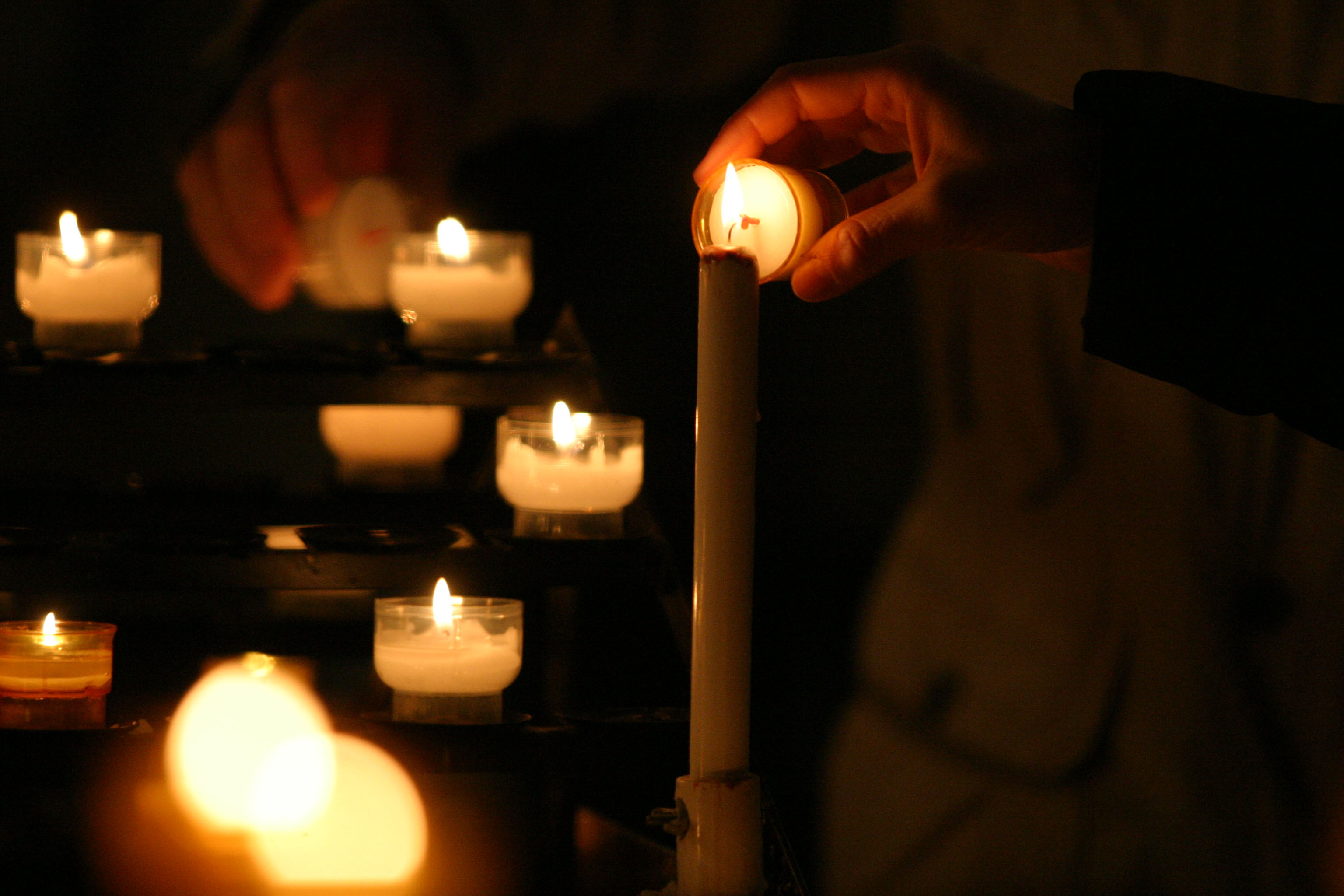
On July 13, the Ökumenische Sommerakademie, the traditional ecumenical three-day gathering, that takes place every summer, promoted, inter alia, by the private University of Catholic Theology in Linz, by the Ecumenical Council of Austrian Churches (Örkö), by the Evangelical Formation Office of Higher Austria, by the Catholic periodical Linzer KirchenZeitung, by the monastery of Kremsmünster and by the Land of Higher Austria closed in Kremsmünster, in Higher Austria. The theme of this year’s meeting, that marks the 14th edition, was the end of life taboo. It was attended by over 500 people. Follows a brief account with the highlights of the meeting. Not to take God’s place. "The life of the human person is like grass. End-of-life taboo", was the title of the meeting, where since the onset, participants acknowledged the need for palliative medicine and treatment against active euthanasia. "Euthanasia must be firmly rejected since the human person must never give in to the temptation of taking God’s place", said the president of the Land Josef Pühringer, in his opening remarks. "Instead, an adequate offer of palliative treatment ought to become the benchmark of health policy. Financial motivations cannot justify a drift from this stand", Pühringer continued. Learning to die. "Many people avoid the thought of end-of-life; but those who don’t come to terms with this fact, willingly ignore important parts of their existence", remarked Msgr. Ludwig Schwarz, bishop of Linz. "Reflecting on mortality doesn’t mean the denial of life. The limits of life should be accepted", he continued. His words were echoed by abbot Ambros Ebhart, from Kremsmünster monastery: "Learning to live also means learning to die", Ebhart said. The dean of the private University of Catholic Theology of Linz Ewald Volgger, focused the question on "who, where and when places ethically responsible limits regarding death?" On his part, the evangelical dignitary of Higher Austria Gerold Lehner pointed out that in addition to the evident "destructive" factor death is also an "integrating part of human life". "In fact, Lehner continued, "St. Francis of Assisi considered the death that terminates a full life as a sister and a friend. But there also is a terrible death that terminates life before it was even given the possibility of being developed", he remarked. The Evangelical bishop Michael Bünker pointed out, "in their ecumenical document ‘Sozialwort’, Christian Churches established the principle of respect and assistance to people at the end their life". Bünker, in his capacities as vicepresident of the Ecumenical Council of Austrian Churches (Örkö), conveyed his "great appreciation for the commitment of all those who are committed in providing assistance and palliative treatments". Euthanasia: pros and cons. During the meeting, Criminal Law and Philosophy Professor Reinhard Merkel, from Hamburg, and Sigrid Müller, Professor of Moral Theology in Vienna, presented differing positions and views on the exceptions to the ban on active euthanasia. Merkel presented a differentiated position on the ban on euthanasia, arguing that "in extreme cases, the ban can’t always be justified in juridical terms, and must therefore be limited to given situations". Conversely, Müller called for the enforcement of the current regulations. "What happens to people who have to faced with the reality of putting someone else to death?" the theologian asked, and pointed out: "an action mustn’t only be considered fair or wrong as it involves a person behind it". "I will not infringe the taboo of not killing, but I don’t want death to become a taboo", Müller concluded.
