CARD. VINKO PULJIC
Sarajevo, a ”symbol for Europe”: interview with the archbishop

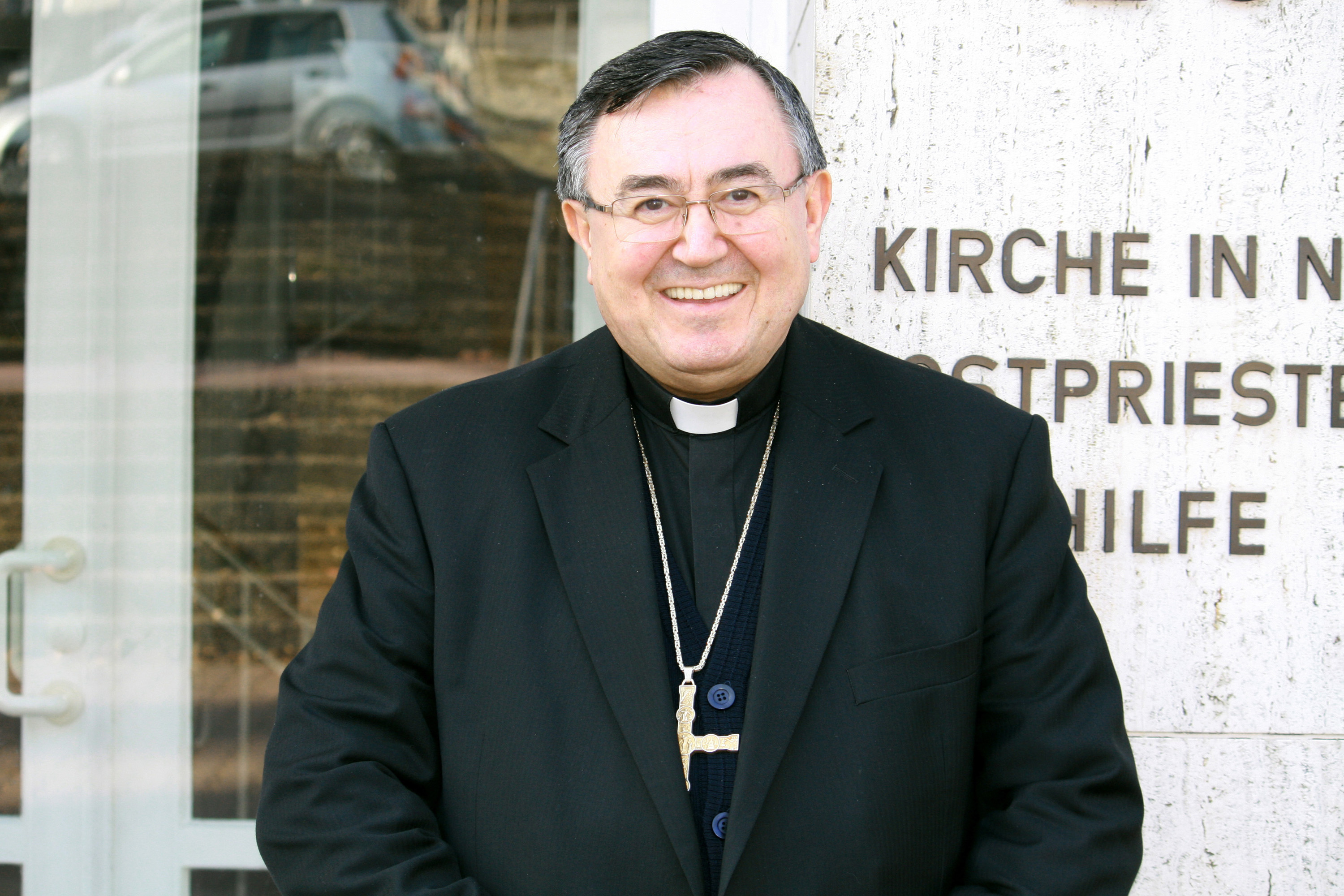
"Sarajevo is a capital city, and it’s also a symbol of Europe. The city has experienced terribly cruel historical events. This is where we want to create a new climate based on equality and freedom. This meeting has promoted the establishment of a new atmosphere in Sarajevo", said Cardinal Vinko Puljic, archbishop of Sarajevo, interviewed by Maria Chiara Biagioni and Daniele Rocchi, corresponding for SIR Europe in the capital of Bosnia-Herzegovina during the meeting "Religions and cultures in dialogue", promoted by the St. Egidio Community (September 9-11). Your Eminence, the Meeting is a call to coexistence, a theme that is dear to this region, marked by the war that took place 20 years ago. Could you tell us about the Church’s efforts for reconciliation since then? "After the war each community was called to educate its members to forgiveness, without which there can be no coexistence. But forgiveness doesn’t eliminate the crimes. Justice should be made and the crimes will undergo judgment in court. However, each justice process can be successful provided that evil and hatred are wiped out from people’s hearts. This creates the preliminary conditions for mutual trust and reconciliation. On the aftermath of the war we launched a project in our Catholic school, whose pupils belong to different religions and cultures. Another project is addressed to the pastoral care of the youth, with activities that involve young people belonging to various communities. Finally, the Catholic Church is present within the inter-religious Council. Apart from the projects, what’s important is to work inside the family, the place where future is built, where diversities are respected".Are the scars of the war and the memories of the past still alive or are they slowly being overcome? "We form the priests to address this uneasy process, since priests are the guides of our communities. It can be said that the healing process is progressing – albeit slowly – but its foundations are solid. I want to underline the importance of commitment at the level of families. Hatred continues to thrive. It’s not widespread but it’s still present within extremist groups". In this sense are responsibilities to be sought in the political realm?"It not up to me to make judgements or issue rulings. The Dayton agreements (of November-December 1995, which put an end to three-and-a-half years of war in Bosnia, ed’.s note) are a serious sin, as they marked the Country’s partition with the indifference of the international community that failed to resolve this injustice, ascribing responsibilities to local policymakers. You can’t put everything on the same plane. This division is further worsened by political gambits. Bosnia, as I often say, can be compared to ‘a few cents held by a large hand’".What do you expect from the European Union for your country? "The EU works at a very slow pace for Bosnia-Herzegovina. This has been the case before and after the war. I think that the EU should be more present in Bosnia by favouring democratic laws, and projects for its development. If not, this nation won’t manage to survive. A State in which all citizens have equal rights, a normal State without divisions, at national and local level, must be urgently developed. Projects for economic recovery are also needed. Without jobs people leave the country, most frequently the youth, who don’t see a future for themselves. Europe should step up its commitments in these fields".What will this world meeting of religions leave Sarajevo?"I want to be realistic. This meeting will provide renewed thrust and support to the city and to Bosnia and it will strengthen the hope that building a message of peace is possible".
