NOBEL TO THE EU
A welcome recognition in these times of crisis

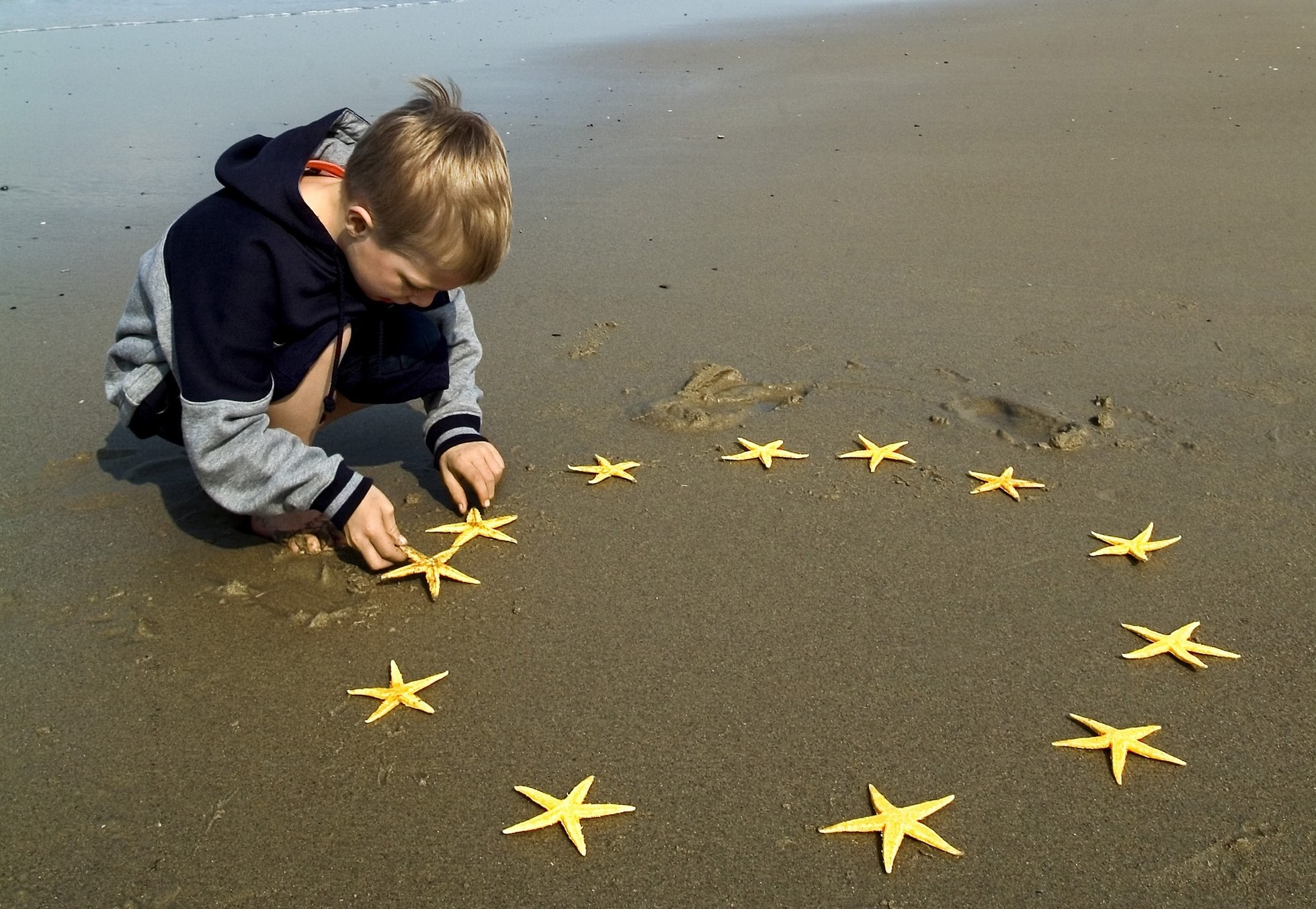
Good news! The presentation of the Nobel Prize for Peace to the European Union recognizes the efforts of a political process that since the onset and in all of its stages took place under the banner of peace. With the work of peace that originated this process are awarded also all those people in the realms of policymaking, administration and civil society that gave their contribution for its fulfilment. The founding document of the European Coal and Steel Community of May 9 1950 opens with the following words: "World peace cannot be safeguarded without the making of creative efforts proportionate to the dangers which threaten it". These creative efforts have led to an extraordinary and original creation, to which participated first six, then nine states, that eventually became 15 and 27, united in a political action to solve together their common problems. The process eventually led to the birth of "de facto solidarity" as described by Robert Schuman in his declaration. This solidarity turned out to be useful to address many crises and ensured long-lasting peace, since permanent cooperation on concrete issues united Countries and peoples, enabling mutual understanding, leading to the acknowledgement that all the involved countries are mutually dependant – in critical and daily situations alike. Over the past decades, peace thus founded and institutionalized in the treaties provided security and extraordinary wellbeing to EU citizens. With the neighbourhood and enlargement policies, in the 1990s it successfully included also the countries and peoples of Centre and Eastern Europe, thus obtaining an important contribution for the pacification and stabilization of the area. The European Union is a great peace movement. Its function isn’t merely that of an institution driven by materialistic interests, which many see in it, considering only the essential instruments subject to integration, namely: currency, trade and the economy. How could Member States’ mutual solidarity and aid in times of crisis – even against the vehement protests of a part of the population otherwise be explained?The decision of the Committee for the Nobel Prize embodies a well-deserved recognition, particularly welcome in these times of crisis because it serves as an encouragementThomas Jansen – SIR Europe A story of peace – to be continuedThe unanimous decision of the Norwegian Committee, awarding the highest recognition to the builders of peaceful coexistence, on the one side arrives as a surprise (as admitted by EU officials) but on the other it is viewed as a proper historical recognition. The European Community has in fact been, and remains, a large area of peace and democracy. Under the banner of "the brotherhood of the nations" it has helped rebuild a continent (or a large part of it) that was shattered and divided by the Second World War. And when the forced, sad division of Europe – marked for decades by the menacing presence of the Iron Curtain and communist regimes – was overcome, the countries of the former Soviet bloc immediately turned to the Community, understood as a reliable neighbour, a solid anchorage to the rule of law and a generous partner on the path of social and economic rebirth. The history of European integration, therefore is the story of a great “dream” of peace, which took shape with the thinking of a few intellectuals, scholars and heroes of the ‘Risorgimento’, which began in the nineteenth century, making the first real political steps starting in the 1950s. Few enlightened politicians of that time, including Catholic leaders Robert Schuman (France), Konrad Adenauer (Germany) and Alcide De Gasperi (Italy), were able to transform the ideal of peaceful coexistence founded on shared values, into small and progressive institutional achievements, starting with economic cooperation, extending the project to social cohesion, culture, research, territorial development, the individual and social rights, to encompass ‘”external action".It is precisely this political process, fraught with difficulties, but also marked by success, that the Nobel intends to enhance and bring as an example to the rest of the world. "For over sixty years", the European community, states the motivation to the prize, "has contributed to the advancement of peace, reconciliation, democracy and human rights in Europe". Card. Reinhard Marx, President of COMECE (Commission of the Bishops’ Conferences of the European Community), said that the Nobel "is a clear signal that confirms that Europe, in the words of Jean Monnet, can make a contribution to a better world". The archbishop of Munich added: "Despite all the problems with which we are confronted in Europe, this award reminds us of the extent to which European integration has contributed to the peaceful development of our continent the crucial contribution of Christians who undertook political engagements in the service of this project”.In short, this prize cannot be taken as a point of arrival, but rather as stimulus and an encouragement to move forward with determination.Gianni Borsa – SIR Europe
