EDITORIAL
European Union: meaning and value of the Nobel Peace Prize

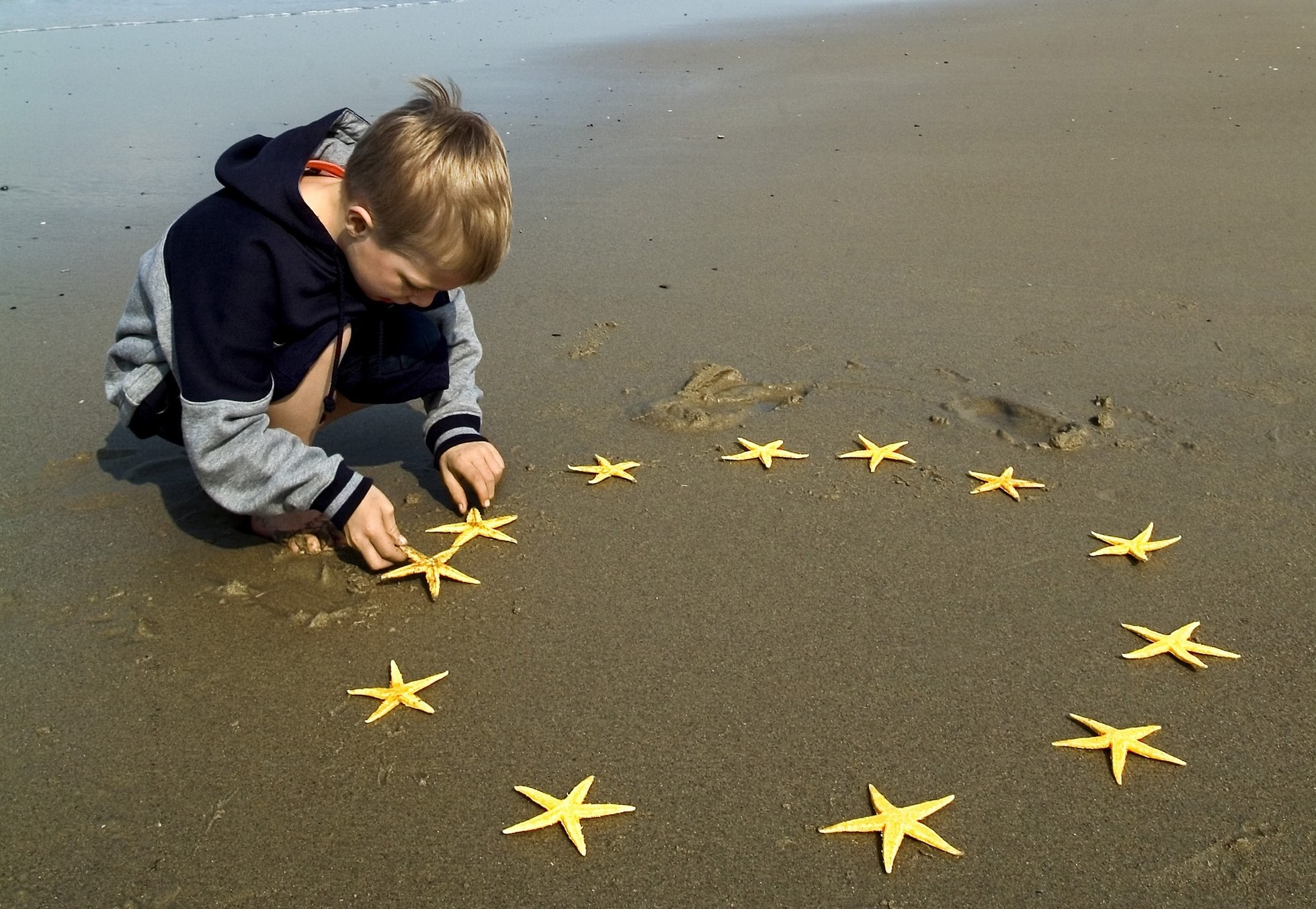
"L’Europe n’a pas été faite, nous avons eu la guerre" (Europe wasn’t made. There has been a war). This is written in the famous Schuman Declaration of May 9 1950, which paves the way to a new Europe. That act founded the EU process, proposing to Countries that had just emerged from a tragic war to jointly manage the coal and steel resources, two materials that are more than symbolical, as they underlie all instruments of war.Making Europe, uniting European countries, has been a dream of a whole generation, marked by two world wars, and it remains the same even today, although we have greatly progressed along this road. Europe, whose erection began in 1950, and whose building works are ongoing, represents a historical ‘unicum’. The building of unity at continental level is unprecedented in the history of humanity. The establishment of lasting peace with the creation of a new system of international relations between European countries, on the twofold basis of French-German reconciliation and the awareness of a community of destinies was the matter at stake, and after years it remains the focal point. Peace as a need. In 1945-1950 it was acknowledged that the war is indeed "the" scourge, the mother of all miseries. And after Hiroshima and Nagasaki, another war seemed impossible. The future had to be built otherwise. At a conference held in Brussels in November 1948, on "The moral foundations of democracy", Alcide De Gasperi argued: "The spirit of European solidarity can create tools for safeguard and defence in different areas but the primary defence of peace lies in a unitary effort, which, with the inclusion of Germany, will remove the danger of a war caused by revenge and retaliation". The creation of united Europe isn’t a merely economic union, nor motivated by free exchange, and nor the assurance of peace on the basiss of friendship agreements in which history has shown its limits, But truly, as Schuman said, "it is a question of bringing about a fundamental change in the international relations in Europe" with the achievement of a real and true fusion of a part of national sovereignties". Schuman described this formula as "revolutionary". In fact, it wished to identify an unprecedented process in the history of humanity, which can rightly be described as a diplomatic and peaceful revolution. The founders of united Europe have provided us with a great, highly political lesson. With the delegation of sovereignty they have also given a lesson in boldness and courage, testifying to their high sense of the state and their commitment for the common interest. There was a need to break away from the traditional methods of diplomacy that proved insufficient to ensure peace. It was necessary to create a solidarity that would make armed conflict impossible and unthinkable. That is why the European Union is a model for many countries, even a dream. After the fall of the Iron Curtain, nations emerging from Communist dictatorships wished to ensure a future of peace and prosperity through EU membership. For the rest of the world, for so many conflicting areas, the European process shows that hatred and war are not necessarily an inevitable fate. As the Nobel Committee said: "The EU is a symbol of brotherhood among the nations".
