EDITORIAL
European Union: a future to be built with memory and planning

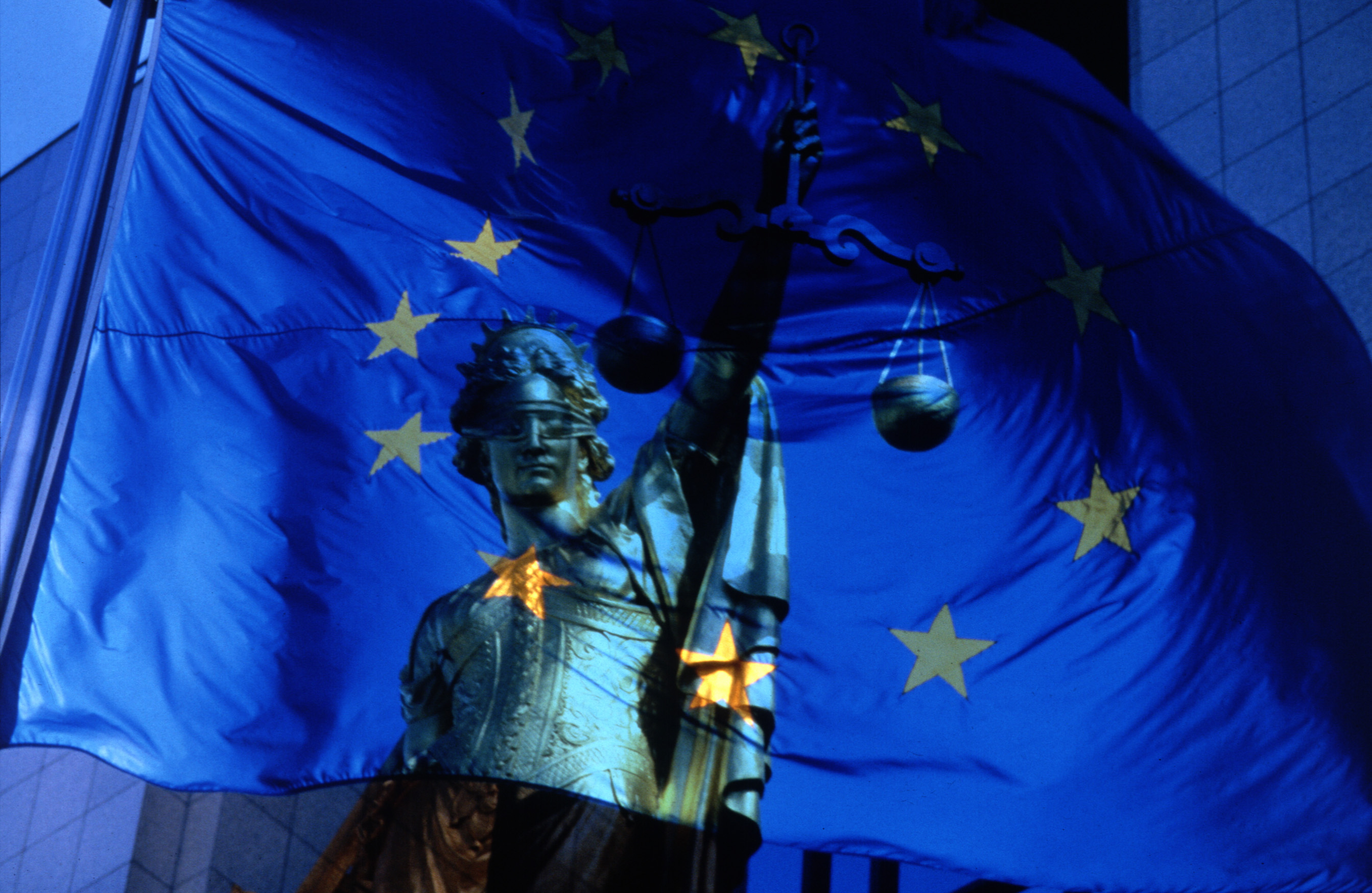
The awarding of the Nobel Peace Prize to the European Union in the midst of its most serious crisis reminds us that the unification of Europe in based on motivations that extend far deeper than the mere rescue of the euro currency. The creation of long-lasting peace between the involved nations, to rebuild a destroyed continent has always been the primary goal. Defending freedom against all forms of totalitarianism, to safeguard democracy and spread wellbeing, was understood as the pillar of equal and peaceful development. In the wake of the success of the European integration policy, these reasons, deriving from past experience, gained a secondary role long before the current crisis broke out. Starting with the epochal changes of 1989 it became evident that a new motivation for the European Union was necessary for its future evolution.The original reasons of European unification policy have not become obsolete, on the contrary. They continue being valid, although in a different historical context. However, in the Europeans’ awareness they no longer have the same influence nor the dimensions of the previous decades, when the establishment of the European Union was a priority. Peace among the nations of Europe that took part in the integration today’s became EU member states- is guaranteed by the procedures and institutions that today mutually bind individual states. But peace is being threatened by new dangers that are not caused by the relations between nations and European states but by social tensions, inequalities and inequities between rich and poor at global level. The physical reconstruction of Europe in the aftermath of the Second World War ended long ago. But a large portion of the ideal and material ruins left by communism in the countries of Central and Eastern Europe has not yet been eliminated. Communist hegemony over central and Western Europe has dissolved with the Soviet Union. But in its place, other ideologies and fundamentalism, such as Islamism, for example, make claims whose implementation is sought with violence. Democracy has been established throughout Europe and it is guaranteed in the Member States of the Union. Bu today various forms of populism and extremism, present in all European countries, for different reasons, pose a serious risk. The increase and the spread of wealth took place in an exemplary manner. It should not be forgotten in light of the problems we are facing today to ensure this wellbeing despite the crisis. But precisely for this, the struggle to eradicate poverty in the Third World also requires a sense of responsibility, as well as our own commitment.There ensues that European unification must be pursued, even though past goals have been met. Given the numerous new tasks that lie ahead, the realization of which exceeds the capacity of individual states, we are called to make further efforts and maybe even find new forms of unity and common actions to express in a more appropriate and reasonable way also the identity of ‘the European Union in the ongoing new circumstances.The new challenges that we Europeans must face today and tomorrow stem from several factors, not last by the unification process itself that has created a dynamic process whereby the responsibility of the EU has increased significantly, also owing to essential reforms without which the Union could not carry out the tasks is has been entrusted. But these challenges also result from the new world order originated with the end of the bipolar system based on two superpowers antagonistic to each other. In addition, the technological, industrial, economic and labour developments brought about significant changes, entailing the redefinition of our common European structure. These changes, occurred over the past twenty years, have been introduced and announced in various ways over the post-war decades. But we have become aware of their scope only today. There are new conditions we must adapt to. The ethical and political orientation passed down to us by the Fathers of European unification 60 years ago can be of help in the present times.
