EU COUNCIL
Summit per to redefine the Multiannual Financial Framework. Distant stands

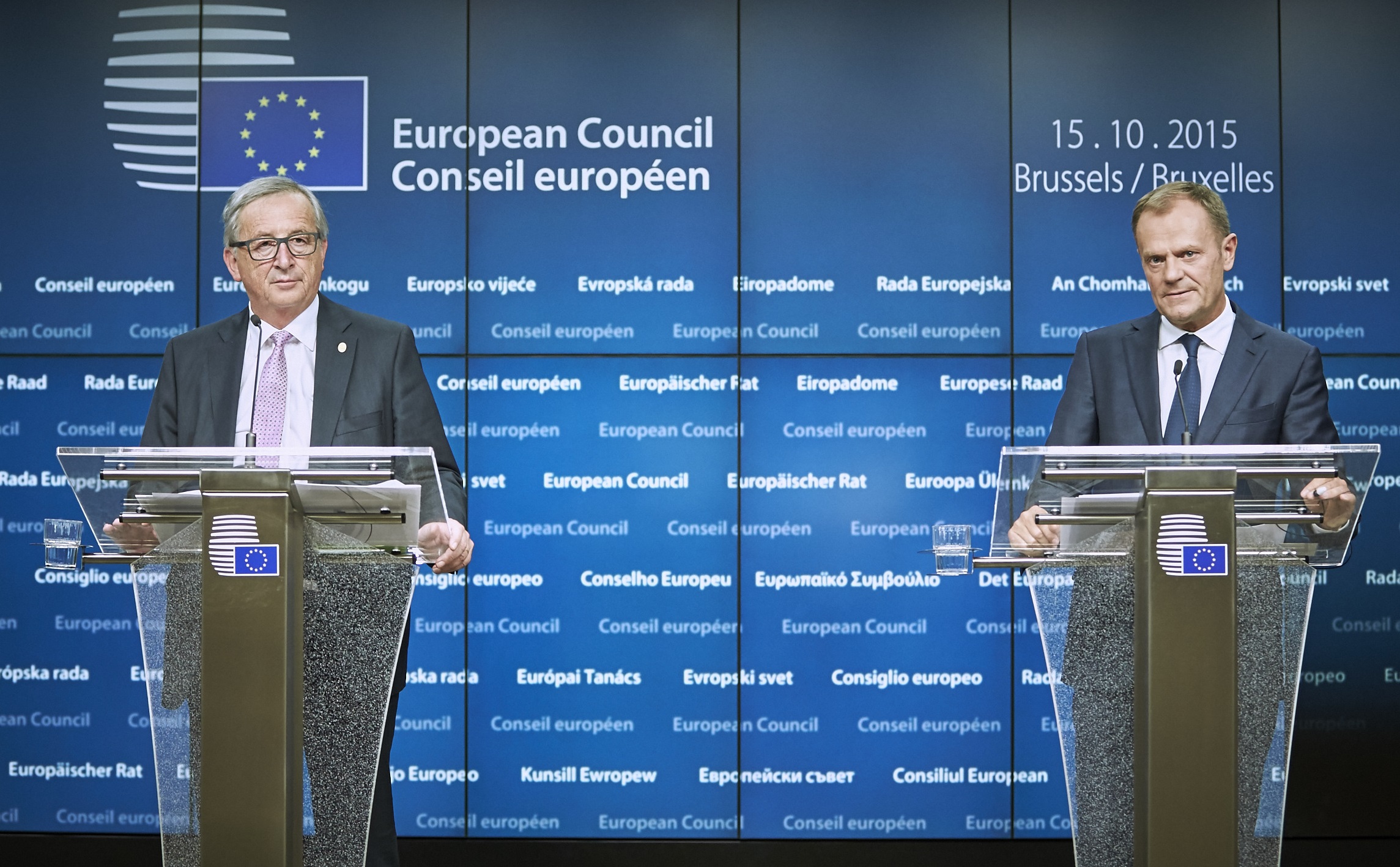
"You know when it starts, but you don’t know how and when it ends. "This joke was circulating in Brussels on the eve of the European Council called for November 22, aimed at reaching a political-prior to an accounting- decision on the Multiannual Financial Framework. But distant stands on 2014-2020 budget were confirmed between Member States and between the very EU institutions. So declarations of principle, veto threats, fake smiles and heated bilateral meetings have prepared and accompanied the summit of the 27 Heads of State.No mistakes. "No mistakes are allowed: the lack of an agreement would be harmful for all". Herman Van Rompuy, president of the European Council, underlined the dramatic atmosphere of the last hours in his letter of invitation to the summit. Owing to the different views on the MFF the EC President did not to indicate day or time of closing of the meeting. "The purpose of this meeting is clear – wrote the Belgian politician to his colleagues in the Council -: to ensure that the Union has the necessary means to function in the coming years, taking into account the inevitable fiscal constraints” and the overall economic crisis. "We will send a concrete sign of our determination to do whatever is needed to enable Europe to recover from the crisis". A few days ago Van Rompuy had proposed to decrease the MFF by about 80 billion considering the Commission proposal of almost a thousand billion. But while the UK insisted on a 200 billion cut, Germany was open to discuss on a reduction of 100 billion. There ensued a division between "purist" North European Countries, apparently more concerned about domestic interests than appeals to the Community, led by London, the "responsibles", led by France, seeking a feasible compromise; the “euro-dependents “, namely the fifteen nations net recipients of EU funds that were convened in Brussels last week around the slogan” Europe of cohesion"."Citizens wouldn’t understand". "The decision on the future financial framework is a test of our credibility. Here prosperity and stability, economic competitiveness and social cohesion are at stake". José Manuel Barroso, president of the EU Commission thus announced this commitment at the negotiating table, raising the banner of continental unity. On November 21 speaking at a debate on the MFF in the seat of the European Parliament in Strasbourg, he said: "Summits "We hold summits to urgently find 500 billion for banks and now we risk not reaching an agreement on a multi-annual budget whose investments and expenses should be for the benefit of citizens. How can people understand us?". Barroso had called upon EU member states to “look ahead” and to show to believe Europe. The cuts proposed by the Presidency of the European Council “would deprive the Union of resources for research, education, growth, employment support agriculture, regional development "…. With a series of concrete examples, Barroso had also explained the damage that would be caused by a drastic reduction of the funds in Brussels: “National funding is insufficient to carry out a common policy on infrastructure, energy, knowledge development, thus hampering our commitment for the poor population in Europe, for international cooperation, for humanitarian aid at global level. It’s not just a question of EU budget: the issue involves human lives. We must be consistent with the values we profess". Who carries out the greatest cuts? Positions remain distant and therefore it will not be easy to get out of the Justus Lipsius building, seat of the summit, with shared decisions. The “Europeanist” positions expressed by the Commission also came in support of the European Parliament (which is the other budgetary authority together with the Council of Ministers). Hannes Swoboda, leader of the Socialist and Democrats, at the EP strongly criticized the seesaw positions of EU countries. "Fifty, eighty, two hundred billion. Who offers more in the cut to the multiannual budget? It’s as if the European budget was non repayable. But it’s not true. We need more Europe for economic recovery". Guy Verhofstadt, head of the Liberal Democrats, argued: "Do national leaders know that the EU budget is lower than that of medium and small countries like Belgium and Austria? Do they know that the federal budget of the United States reaches 24% of U.S. GDP, while the EU reaches barely 1%? “. Verhofstadt insisted: “Europe united need a proper budget". And the leader of the People’s Party, Joseph Daul, asked: “Do Member States applying the cuts to the MFF believe in European integration?”. A response is expected from the summit.
