COMECE
Faith, hope and responsibility: Christians for the EU in times of crisis

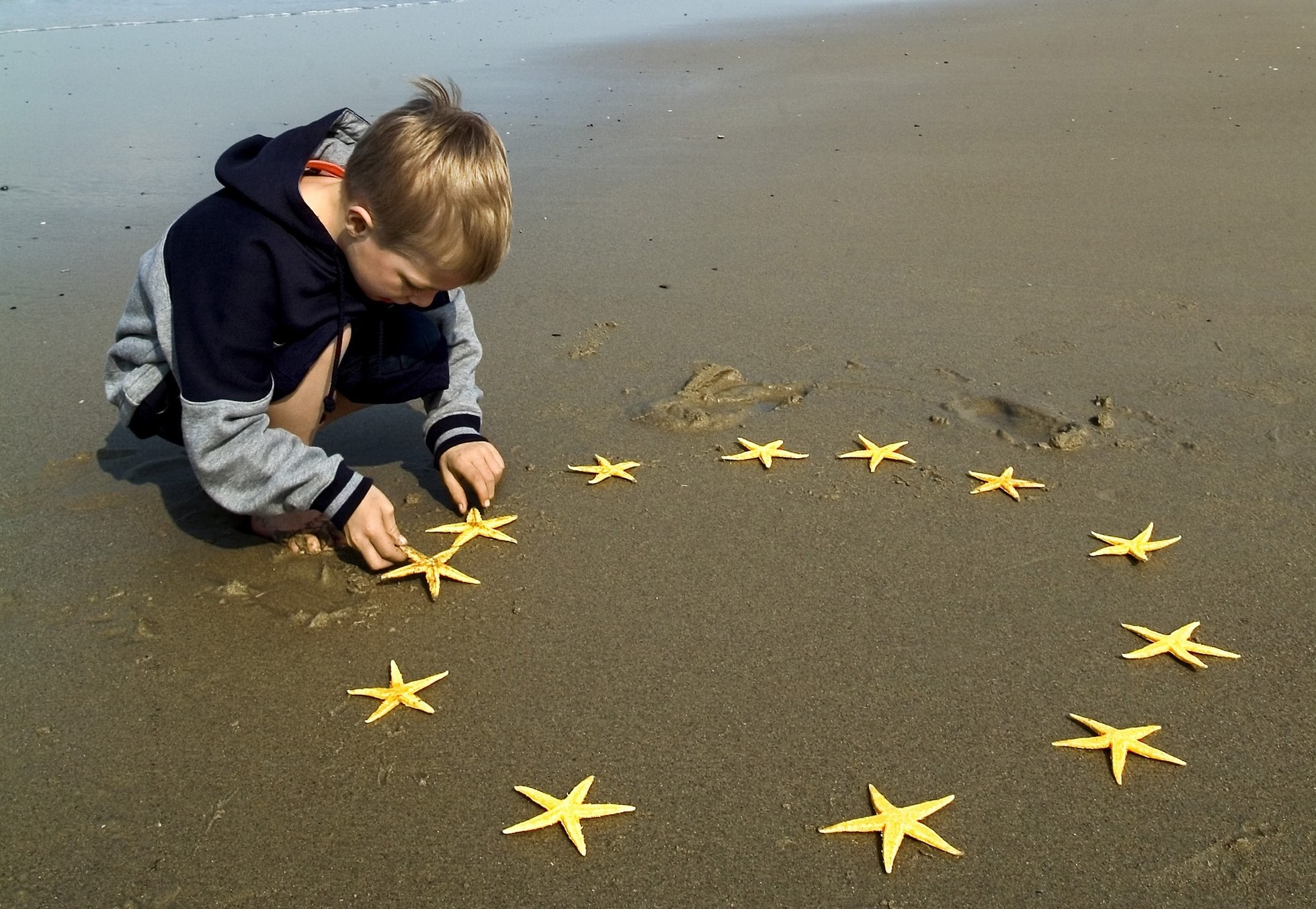
Returning to have faith in Europe. The message was launched in Brussels on November 21st by the speakers at the round table organized by the Commission of Bishops’ Conferences of the European Community (COMECE) with the support of the minister of State for Federal and European Affairs of Bavaria, Emilia Müller. During the meeting, titled "Nobel prize for Pace: an alarm bell for all citizens? Ongoing challenges for the EU and Christians’ contribution" were discussed the major errors that sparked off the crisis in Europe as well as the urgent reforms that ought to be implemented. Panel speakers focused on faith, hope and responsibility as the foundations of a new start, to prevent Europe from self-imploding, for a stronger rebirth. Nike Giurlani, correspondent for SIR Europe, attended the meeting and highlighted some of the thoughts emerged in the debate.A new European model. "This is a historical moment, when we can’t only speak of economic but also of social and moral crisis", underlined the president of COMECE cardinal Reinhard Marx, archbishop of Munich and Freising, in his address. "Over the coming years it must Europe will have to be redefined as a community of democratic states and free citizens, so that Europe, united in peace, may yearn to happiness and wellbeing for itself and for the whole world". In this path "Christian values, which animated the European dream since the beginning, need to be greatly enhanced, and placed at the lead of Europe in the future". "Solidarity, subsidiarity, responsibility and tolerance should be the points of departure for a new beginning", proposed Bavarian Minister, Müller. "To create hope: this should be our objective, since only in this way the next generations will believe in Europe again". "We lack faith in the youth for the success of a common future – echoed Cardinal Marx – not only in terms of political cohesion of the EU or in the realm of econmy". Having acknowledged the mistakes it’s useless to foment a climate of insecurity and negativity. All Europeans should "fight for the future of Europe, working, united, for a new beginning".A new economic model. Renewal seems to be the solution for long and the shor period in Europe. In all sectors, primarily fomr the economic angle. "There can be no growth unless we change the ongoing economic model – said Paul Dembinski, director of the Observatoire de la Finance – it’s important to analyse how we have reached this situation and enhance our strong points, such as social economy". To this regard the president of the III Group of the European Economic and Social Committee Luca Jahier, recalled the role of social cooperatives, "enterprises that are not marked by profit but by services, with an ever greater impact on European economy". A crisis in democracy. At political level European citizens "must return to deal with res publica", said Clotilde Nyssens-Traversa, lawyer, former member of the Belgian Senate. "The members of our communities have grown distant since they feel they are being treated as consumers, and not as citizens, but at national and European level, there should be a new direction, by involving, informing and dealing with them". "The media could contribute to this mission by decreasing alarmism and using their potential to inform citizens on the numerous initiatives at European level". Involving and also creating a union between citizens, since "only by recovering the value of solidarity will it be possible to make a difference" Dembinski remarked. "How can these objectives be reached if the very concept of democracy is at risk?" Jahier cautioned. "We must start again from here", in particular, for the expert the role of the European Parliament should be recovered, promoting the dialogue between national parliaments and citizens. "We need more, not less Europe – Nyssens-Traversa continued – especially for the young".The contribution of the Church. "The Nobel peace prize to the European Union – the COMECE president underlined – is a sign of recognition to all those that have created the grounds for happiness", a happiness which in Europe is at risk. And this is why Cardinal Marx reiterated the importance of the ecumenical Second Vatican Council, which in his opinion is "not only a strong ethical impulse and an appeal to greater social justice in times of economic crisis" but it also provides "points of reference for a further development of the European Union at political level, preparing the necessary conditions for any constructive political action". "The challenges for Europe and the Church – concluded Cardinal Marx – can be summarised in a word: each one in his own way they must be signs of hope for a better world".
