UKRAINE
Remembering the genocide of Holodomor

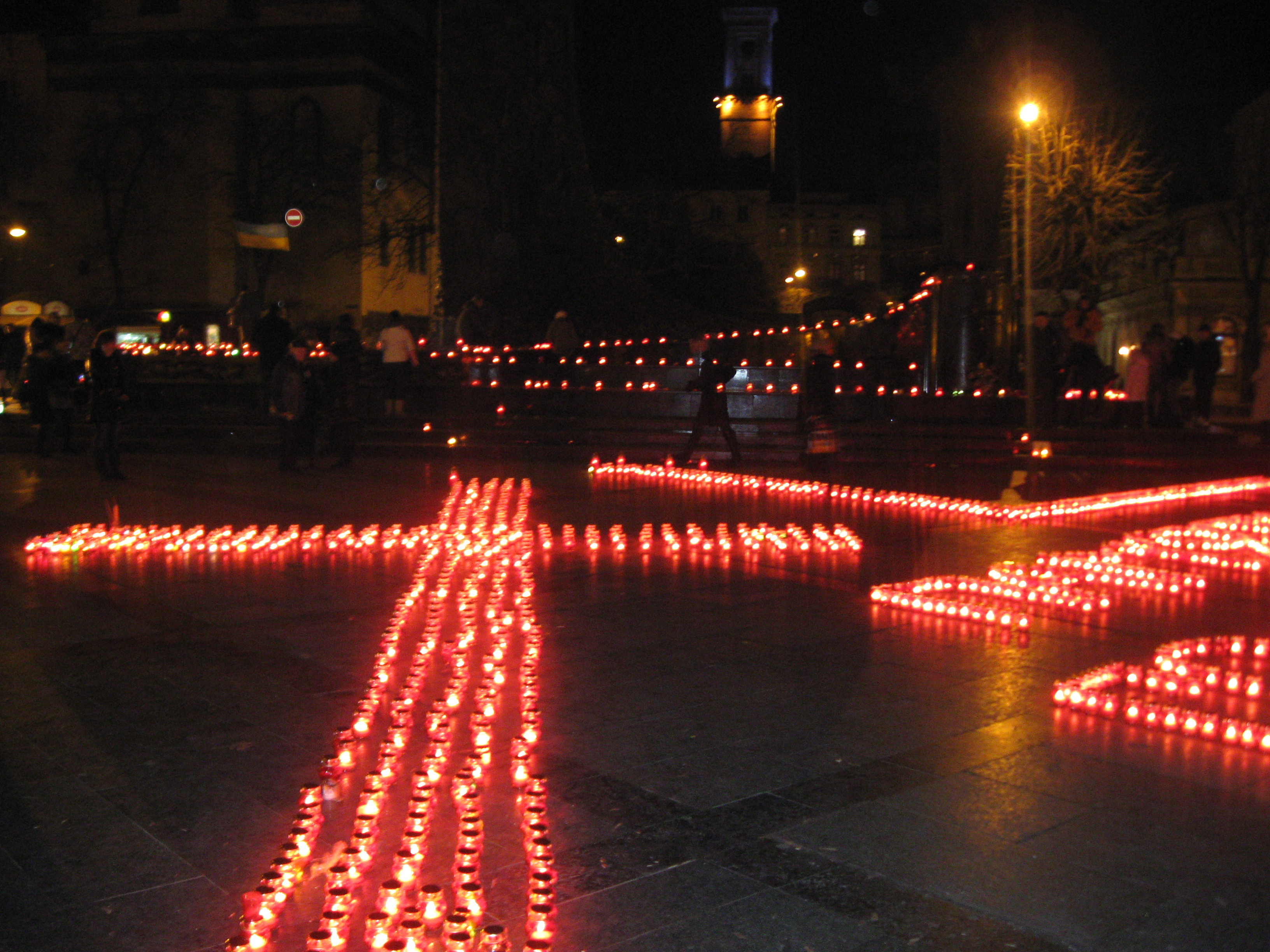
Ukraine commemorated the Holodomor Memorial Day on 24 November, remembering the victims of a great famine of 1932-1933. This year’s commemoration had a special significance – it’s been 80 years since the beginning of a man-made famine during which millions of people died of starvation as a result of actions and policies of the Soviet government in the area of agriculture.For those who saved the others. The Holodomor Memorial Day in Ukraine was preceded by a memorial week. The Public Committee for Remembrance of the Victims of the Holodomor addressed those who work in the area of education with a proposal to conduct lessons of remembrance and to engage pupils and sudents in public events on the occasion, and invited the Ukrainian aughorities and representatives of various states to recognize the great famine of 1932-33 as a genocide of the Ukrainian people at the international level and to hold appropriate events to remember its victims. According to the Committee’s coordinator, historian Volodymyr Viatrovych, the goal of this year’s campaign was to tell about people who saved their fellow countrymen from death of hunger. As he said, "the national memory of the Holodomor would be incomplete without knowledge of the names of at least some of those righteous beople". Gratefulness for a daily bread. The memorial week culminated on Saturday, 24 November, when the Ukrainians lighted candles, prayed and commemorated all the innocent victims of the Holodomor. Mons. Mieczyslaw Mokrzycki, president of the Roman Catholic Bishops’conference of Ukraine, addressed the clergy with a call to pray for the victims of the famine. "I urge you and God’s flock entrusted to your care to pray on that day for the people who died of hunger and for those who created the Holodomor Genocide of 1932-1933 according to their distorted ideology and to ask for God’s mercy for them", wrote archbishop Mokrzycki, inviting the priests to turn to God during liturgies and thank for a "daily bread of which we have plenty now", as well as for a "heavenly bread which feeds our souls every day".Survey on acknowledgement of genocide. Memorial events in honor of the Holodomor victims were held in all regional centers of Ukraine, with participation of the representatives of Christian Churches. In Kyiv, over 2,000 people with national flages marked with black memorial ribbons walked in a requiem march from the Arsenal metro station to the Holodomor monument. According to the consolidated results of the polls conducted by the sociological group Rating in 2010-2012, the majority of Ukrainians agree with the statement that the Holodomor of 1932-33 was a genocide of the Ukrainian people. In general, 80% of western, central and northern Ukrainians and over 50% of south Ukrainians, 33% of eastern Ukrainians and 25% of residents of Donbass believe it was a genocide, according to the Religious Information Service of Ukraine (RISU). Holodomor as a genocide has been oficially recognized in 143 countries of the world so far. The prayer for its victims was held not only within Ukraine but also abroad. Head of the Ukrainian Greek Catholic Church (UGCC), Sviatoslav Shevchuk, prayed in Zagreb for "healing of the wounds of the Ukrainian nation and against repeating of similar tragedies", together with Catholic bishops of the Eastern Rite from 14 countries during their annual meeting. His Beatitude Sviatoslav spoke about the need to consider everyone who denies the fact of the genocide in Ukraine as an "accomplice or person justifying this crime which cannot be justified".Need to remember. "Ukraine is in its pre-death spasm. The population is dying from starvation. Built on injustice, deceit, godlessness and depravation, the people-devouring system of state capitalism has led a wealthy land to a total collapse, wrote metropolitan Andrey Sheptytskyi of the UGCC in July 1933 asking for assistance to starving residents of the East Ukraine. His words were recalled by bishop Bohdan Dzuriakh, secretary of the Synod of Bishops of the UGCC, for RISU agency. He emphasized that remembering Holodomor is not only remembering the tragic events, but now it is also the memory of the opposition of the whole nation to a brutal and godless regime of Stalin which occupied the country. The Bolshevik rulers chose this hideous method because they understood that Ukrainians would not succumb to evil and would not compromise with the occupation regime. "That’s why it is so important to continue cultivating a living memory about this illegal period in our history", explains bishop Dzuriakh and adds: "One who wishes Ukraine goodness and well-being, will try with all efforts to assist in acknowledgement of historic truth and justice on all levels of national life – spiritual, cultura, community, socio-political. It is well know that a nation that does know or remember its past, has no future".
