EDITORIAL
In 1989 the struggle for freedom seemed to have ended

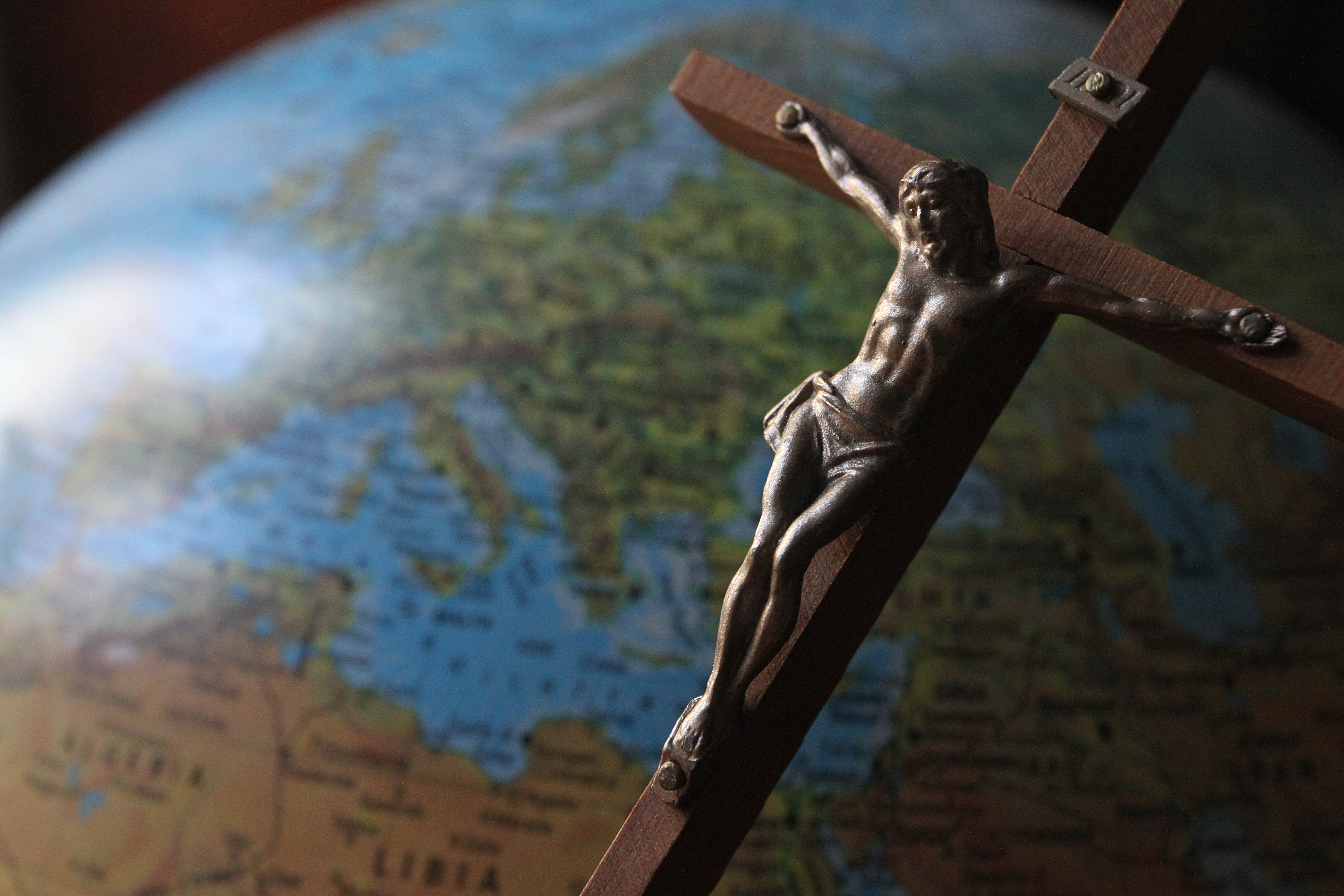
When in 1989 totalitarian regimes in central and Eastern Europe finally collapsed, the joy of newly-acquired freedom prevailed on future concerns. People were free to convene, expressed their opinions, establish NGOs and political parties. It was finally possible to do all of this without fearing the consequences of individual initiative. Freedom rapidly became an integrating part of everyday life. The right to follow one’s own conscience was acknowledged as a fact. Under socialist rule a physician wishing to specialize in gynaecology had to take into account procuring abortions was a mandatory aspect of medical practice. After 1989 it was finally possible to refuse such practice, and this refusal was respected by everyone. People living in post-Communist countries rapidly got used to religious freedom, an inseparable part of which is man’s right to act according to his conscience. We never would have thought that after twenty years we would have incorporated the tendency to limit freedom of conscience from those same countries that we had sincerely admired for their social organization. We thought that there was no longer the need to fight for freedom had ended. But today we know that that struggle lingers on. If ten or fifteen years ago we had been told that we would have drawn up annual reports on Christians’ discrimination in Europe, we would have considered it insane. But this is the reality. We must ask ourselves what has happened. Why are both religious freedom and the freedom of conscience increasingly threatened in those very traditionally democratic countries? When in 1948 national elections brought the Communists to power, they confined the Churches to a state of total marginalization from social life. All ecclesial organizations, including schools and Caritas, were compelled to shut down. Faith could be lived only within church walls. It was considered the most effective way to transform the Catholic Church into an insignificant body, lacking influence on social life. Efforts to strip the Church of its influence have always been absurd, since Christian religion has its influence on the human person in all spheres of life. For those nations that were subjected to Communist totalitarian regimes religious freedom entailed the right to live one’s faith in public, outside church walls, in any place. It embodied the right to follow one’s own conscience, and not to be penalized for such behaviour. In the midst of the euphoria for recovered freedom, almost nobody realised that widespread secularization across Western Europe had in fact brought about equally widespread de-Christianization. In fact, the number of active Catholics is constantly decreasing, and the importance ascribed to traditional Churches is also diminishing. The new religion is ever-present form of agnosticism, which, along with the idol of tolerance becomes a deadly mix against Christians who take their faith seriously and pledge to live according to its religious tenets. The result of this situation is so-called religious neutrality, which in reality is an aggressive form of laicism. In this situation religion is confined to the private sphere, once and for all. Such demolition is completed by legislation, which strips Christians of their legitimate right to act according to their conscience in sensitive areas such as medicine, bioethics, marriage, the family and child education. Unfortunately radical secularization enjoys increasing success in Europe, Abortion liberalization, euthanasia, civil unions for homosexuals, coupled by the newly-introduced possibility for homosexual couples to adopt. Sexual education is reduced to so-called safe sex. The theory of equality between sexes, understood as ‘gender’ (marked by indifference between sexes) stems from a left-wing stance that fails to respect human nature. In 1989 we never would have thought that we would have had to fight for freedom so soon. Nowadays the chief political theme that Catholics are called to address is the right to implement their freedom of conscience. It will take decades to remedy the damage caused by the marginalization of religion. The priority today is to ensure that European populations are free to fully enjoy their right to act according to their own conscience and religious ethical code. If not, the old continent will cease to be an area of freedom: it will turn into a dead end for those nations that are dying as a result of their silent decision to exchange real life and hope with wellbeing and prosperity. (*) esecutive secretary of the Slovakian Bishops’ Conference
