EUROPEAN UNION
2013 is dedicated to the knowledge of rights and duties stipulated in the Treaties

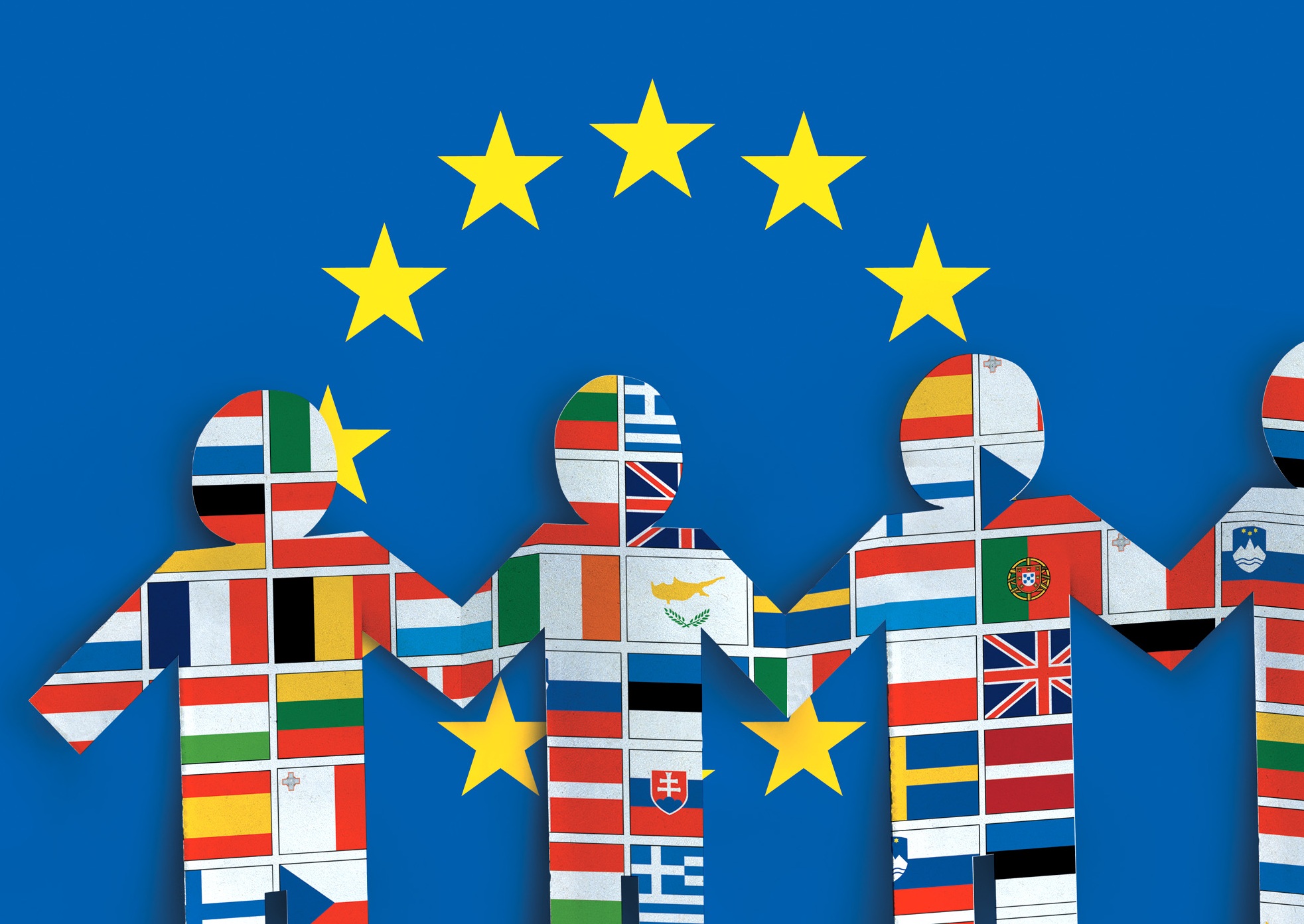
The "European Year of citizens 2013" will be officially launched on January 10 with a debate in Dublin, due to be held in conjunction with the beginning of the Irish six-month presidency of the EU Council. A set of initiatives to celebrate the Year are scheduled to take place in community seats in Brussels and in Strasbourg as well as in all the capital cities of EU27 Member States. Twenty years later. The European Year of Citizens follows the Year for Active Ageing and Solidarity between Generations (2012), officially closed with a European Conference on December 3rd. The Year of Citizens (for which have been allocated funds amounting to one million euro) coincides with the 20th anniversary of the introduction of EU Citizenship, when the Maastricht Treaty came into force in 1993. "2013 will also be the year when the Commission adopts its next EU Citizenship Report – states a Commission document – which will present further targeted EU initiatives to remove the remaining obstacles that hinder citizens from fully enjoying their rights. The European Year will be launching, inter alia, a communication campaign "aimed at publicizing specific participatory instruments and information in different languages" (Europe Direct, Your Europe, SOLVIT, Interactive Policy Making, right of initiative, petitions) so as to "address the concerns of citizens for implementation in everyday life". The website of reference will be http://www.europa.eu/citizens-2013.Greater awareness. "After 20 years of EU citizenship, much has been achieved. It is time to reflect on where we stand and what the future should bring", said Vice-President Viviane Reding, EU-Commissioner responsible for Justice and Citizenship. "People expect concrete results from Europe, and with cheaper roaming charges, better rights for crime victims and easier shopping online for consumers". "This is why we are dedicating a full year to those at the heart of the European project – our citizens. The European Year of Citizens is an opportunity for us to listen and learn from you what you want and how we can build the European Union of the future together". The objectives of the Year are contained in the Decision of the EU Parliament and Council of past November 23, namely, to "enhance awareness and knowledge of the rights and responsibilities attached to Union citizenship in order to enable citizens to make full use of their right to move and reside freely within the territory of the Member States", i.e., those very rights and duties stipulated in the Charter of Fundamental Rights (annexed to the Lisbon Treaty), with a special focus on the freedom of movement within EU borders. Equally important, EU institutions pledge to ensure that "citizens are better informed on how to obtain utmost benefit from EU policies (such as EU funding opportunities) whilst "promoting active democratic participation in the decision-making process" of the EU. Concrete opportunities. The executive points out: "Thanks to European citizenship, which does not replace, national citizenship of a Member State, European citizens are entitled to enjoy a wide range of rights", such as access education opportunities in all Member States, "obtain recognition of their educational, academic and professional qualifications", benefit from cross-border healthcare, "acquire or preserve social security", vote or run for EU Parliament elections and for municipal elections in the country of residence. Reding highlighted the importance of free movement and residence as well as citizens’ right to work and study abroad, thus providing the opportunity to expand professional and cultural horizons. "Union citizens perceive too many practical obstacles with regard to living and working in another Member State, although one in five citizens have considered this option", the Commissioner said. Along with the linguistic difficulties, the main drawback consists in a "chronic shortage" of information. Moreover data collected in a 2010 survey, show that a large number of EU citizens feel they have "insufficient information on their rights": only 43% is familiar with the term "European Union citizenship" while 48% "feels they are not sufficiently informed on related rights and duties". With the upcoming European Year of Citizens, a large number of organizations have come together under the European Year of Citizens 2013 Alliance (http://ey2013-alliance.eu/). The Alliance will cooperate with the Commission in the development of the Year’s programme.
