
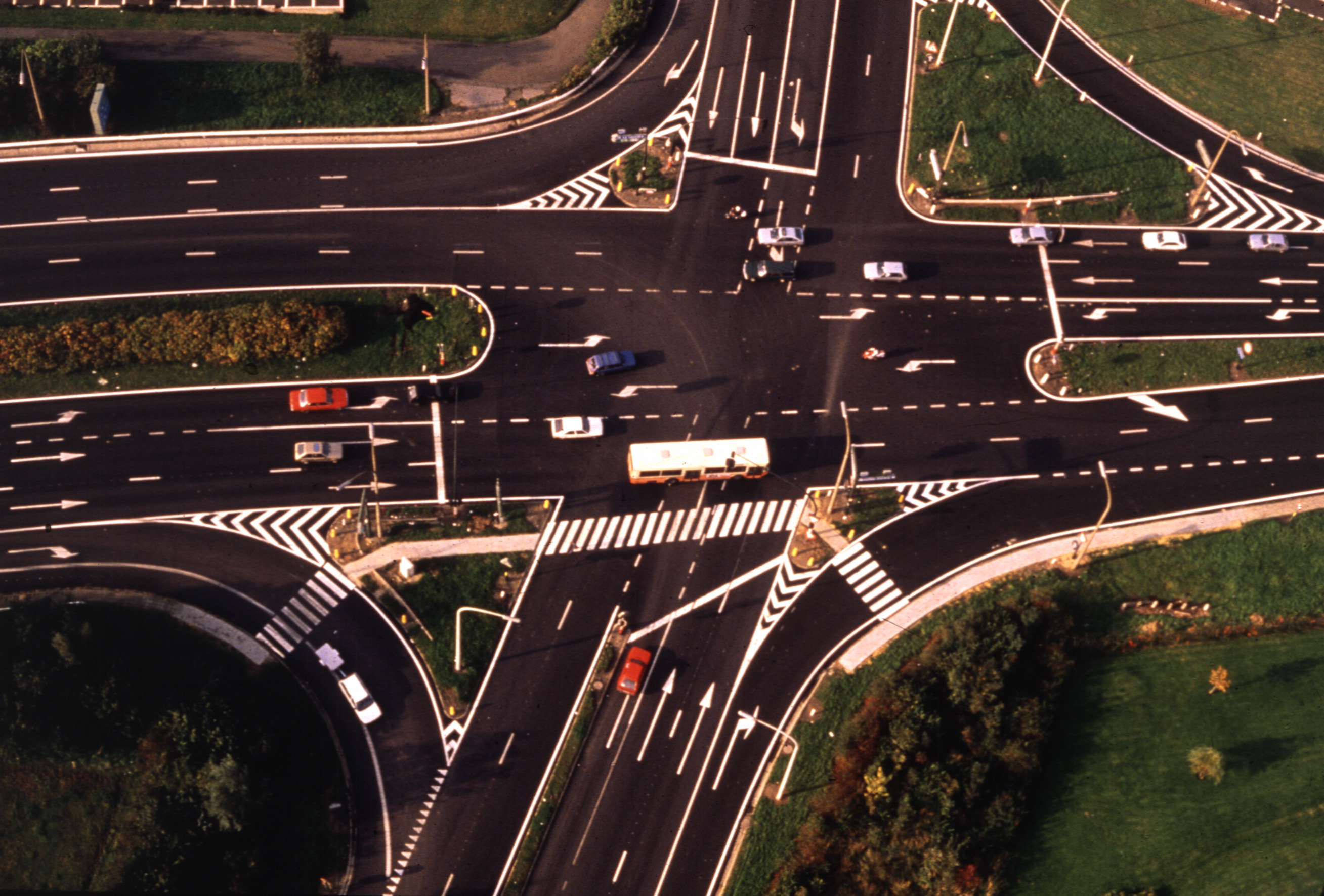
Over a billion projects in the transports sector A billion 265 million euro to fund to finance European transport infrastructure projects in all transport modes – air, rail, road, and maritime/inland waterways – plus logistics and intelligent transport systems, and all EU Member States that expires on February 28 2013. Proposals must fall within the Trans-European Transport Network (TEN-T) multi-annual and annual programmes. Commission Vice President Siim Kallas, responsible for transport, said: "In making this considerable amount of funding available, the Commission aims for a competitive relaunch of the European economy, to sustain and support growth". By directing this money to TEN-T infrastructure, "we are also continuing to help the realisation of the entire TEN-T network – bringing a tangible benefit to all European businesses and citizens who will reap the rewards of a more efficient" environmentally sustainable "transport system". The program focuses on six fields which include: measures to promote innovation for air transport, European Rail Traffic Management Systems (ERTMS), Motorways of the Sea, traffic management infrastructure on the inland waterway network, improvement of the safety of the railway network.Green light to environment action plan The EU Commission has made proposals aimed at "phasing out environmentally harmful subsidies", "shifting taxation from labour to pollution", "drawing up partnership agreements between Member States and the Commission on implementation of EU environmental law". The proposals are included in the Environment Action Programme (EAP), presented a few days ago, with the purpose of "protecting nature, stimulating sustainable growth, creating new jobs and setting Europe on a path to prosperity and health within the limits of the planet". The Commission’s proposal will be considered by the European Parliament and the Council of the European Union. Once agreed, the new EAP will become EU law, entailing mutual commitments on the part of the EU and its Member States. Climate Action Commissioner Connie Hedegaard said: "We cannot wait until the economic crisis is over before we tackle the resources, environmental and climate crises. We must address all these at the same time and so include climate and environmental concerns into all our policies". A network to prevent crime across Europe "In most EU countries, crime levels have been decreasing for about ten years. There are however considerable differences between different types of crime". There has been an increase in crimes in a number of Member States, "particularly for domestic burglary and drug trafficking". At the same time, recorded numbers of theft of motor vehicles, violent crime and robbery fell substantially. These are some of the findings presented by the European Crime Prevention Network (EUCPN). The report contains data on Member States, good practices and information on how to prevent crime, such as cyber-bullying. It illustrates initiatives aimed at fostering early detection of addictions that give rise to crime. According to the Report, "the network can improve its impact by focusing its initiatives more and working closer with key actors in the crime prevention field". Commissioner for Home Affairs Cecilia Malmström said: "the EU Crime Prevention Network helps Member States make our societies more secure". Among other areas, the EUCPN pays particular attention to juvenile, urban and drug-related crimes. Ireland at the six-month lead of the EU After forty years since EU adhesion to the then European Economic Community on January 1st Ireland will assume the six-month presidency of the EU Council. "Our agenda will be the same of the European Union", said Rory Montgomery, Permanent Representative of Ireland to the EU on December 3rd, upon the presentation of the six-month presidency program. Highlights of the program include the Multiannual Financial Framework that failed to reach an agreement between EU27, and that will be the object of a dedicated summit "in February or in March". Among the key issues that will be tacked by the Irish presidency figure "banking union, foreign trade, data protection, fishery, and agricultural policy". Dublin will verify the state of advancement of the negotiations with Turkey, although the impression of the permanent representative is that at present favourable conditions for new negotiations are lacking.
