EUROPEAN PARLIAMENT
Two reports on democracy, basic freedom and people in difficulties

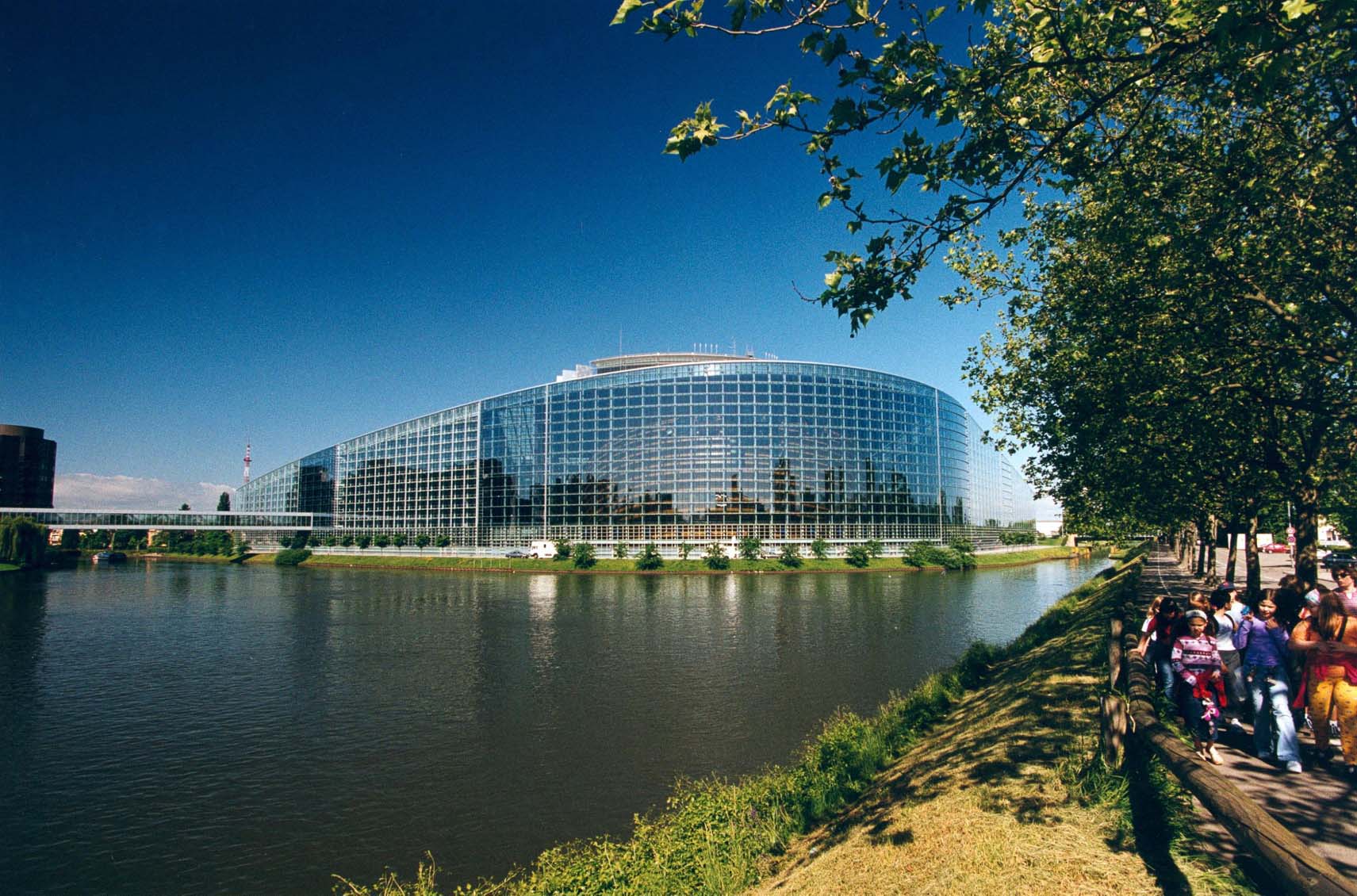
The European Parliament, gathered from December 10 to 13 in Strasbourg in its plenary session, to address – among the various topics on the agenda- two reports dedicated to Human rights worldwide and Fundamental rights within the European Union.Both reports have important chapters dedicated to democracy, basic freedom rights, defence of the weak, poor or less safeguarded people. The reiterated fact that the European Union protects human rights and promotes policies, both inside and outside its boundaries and in other continents, through political and diplomatic cooperation, like for example through cooperation to development and human aid, with generous funding. But the details of the many pages of the report among the many "hopes" and "invitations" (these relations have no binding effects but express sensible political and cultural appeals supported by variable majorities of MEPs that vote them), unveil confusion, ideological drives, an misunderstandings on which are the Human fundamental rights to protect.For example "Human rights and democracy in the world Report on EU action in 2011" ", presented by Member of Parliament, Leonidas Donskis, is strongly focused on religious freedom, with a well drafted chapter on "freedom of thought, conscience and religion or belief": furthermore "freedom of thought, conscience and religion or belief is a fundamental right that also includes the right to beliefs and non beliefs": "a fundamental right for the development of a pluralistic society and democracy". The text continuously mentions democracy and freedom of expression: it condemns any type of violence and abuse of power and the death penalty; strongly calls for equal rights between men and women and denounces female genital mutilation, early and forced marriages, selective abortion according to the baby’s sex. But the text relates back to unclear aspects of "health and sexual and reproductive rights", that have often paved the way to discussions on birth control and abortion..Reference is also made to the undefined and ideological concept of "gender identity".The "Fundamental rights in the European Union" report presented by MEP, Monika Flasíková Benová. Also in this case a rather bulky document, that apart from highlighting the need to bravely defend some fundamentals right at a global level, introduces a series of unclear legislative, social and ethical arguments that had already emerged during the Commission Parliamentary vote on civil freedoms. The text denounces for example the discrimination among national minorities, citizens of Roma origin, disabled people, children and elderly people, forced sterilization and abortion. Therefore "complains that not all Member states have adequately implemented the Council framework decision to fight some types of racist expression and xenophobia through criminal law". It urges "Member States to protect religious or faith freedom".The text shifts gear when for example it "stressed the right to sexual and reproductive freedom stated in the previous EU resolutions"; "it expresses concern for the recent access restrictions to sexual and reproductive health-care services in some Member States with specific reference to safe abortion". An equally delicate chapter is the one centred on "sexual orientations and gender identity", where Member States are invited to adopt laws that substantially officially recognize wedding among gays, lesbians, bisexuals and transgender. With an unclear statement on protecting human rights and dignity at the end of life and taking into account previously expressed wishes of the patient.One must point out that majorities created around these documents mirror the composition of the European Parliament Members, elected by European citizens. Therefore, considerations on educational and ethical aspects emerge, on delicate issues for the old continent public opinion: overall human dignity and protection of life, safeguard and foster of family based on marriage, focus of the real needs, related to the differences throughout Europe, that taken together make up the social, cultural and religious profile of today’s Europe.
