TOURISMO
A EU survey highlights economic, environmental and cultural opportunities

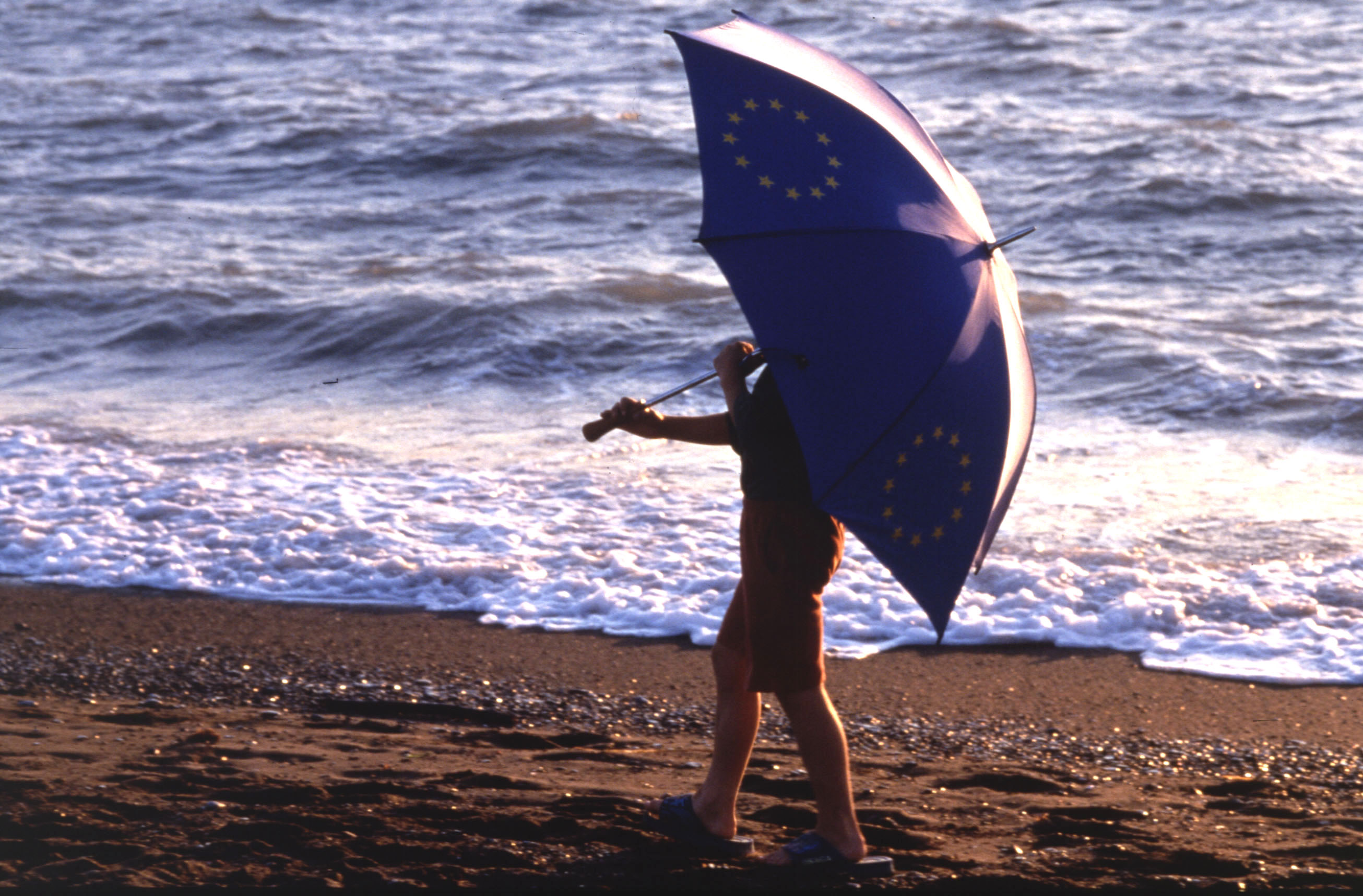
Focusing on tourism in order to help people rediscover significant stages of the history and culture of Europe, to know territories rich with historical remnants, or appreciate the natural and rural landscapes with their countless elements of attraction. These are some of the ideas suggested by the survey on "Industrial heritage and rural tourism", presented at the January 22 Committee on Transport and Tourism of the EU.What changes with Lisbon. With the entry into force of the Lisbon Treaty, there are four new areas of competence in which the EU can intervene. These are: civil protection, administrative cooperation, sport and tourism. EU responsibilities are "non-exclusive" and aimed at providing "support" to Member States’ initiatives, but the EU cannot harmonize national legislation. Tourism, while being a field covered by various European policies, such as regional or employment policies, with the Treaty now has a specific legal basis to enable the Union to be party to this economic reality. In particular, "EU action – states the paper – can encourage the creation of a favourable environment for the development of enterprises in the tourism sector and to improve cooperation between Member States", especially through the exchange of good practices.The future of the sector. The report on "Industrial heritage and rural tourism" makes reference to and expands a paper released by the European Parliament on 27 September 2011, entitled "Europe, the first world tourist destination. A new political framework for tourism in Europe". "Tourism – states the report – is a major economic activity, with a very positive impact on growth and employment in Europe". Hence the interest in industrial and rural heritage is due to the fact that both areas "have grown rapidly since 1970, responding to new markets", new interests and lifestyles, as recorded in the survey promoted by the parliamentary committee.Mines and factories. What is meant by "industrial tourism"? There are over 30 sites of special importance in the European Community listed by UNESCO, ranging from extractive industries, such as coalmines, to manufacturing industries with machines for textile production, including means of transport such as railways, or for communication, such as the radio. The major mining centers in Wallonia or the Vizcaya bridge in Bilbao are included in the list. To these must be added also factories, smokestacks, manufacturing sites, as well as specialized museums, the most characteristic of which is the open-air Museum of Beamish in the UK: its 120 hectares of land recreate the daily life of the early twentieth century at the height of the industrial revolution. In general, this area is managed by public institutions and voluntary groups and, "while helping to improve the image and reputation of former industrial areas, it does not lead – says the report – to direct or indirect income, nor to job creation".Rural landscapes. The document presented in Brussels, underlines the need to encourage rural tourism. This sector, that involves the whole of Europe (i.e. the various forms of agricultural tourism) produces consistent turnover and employment, amounting to "10 up to 20% of rural income". But while industrial heritage provides mainly tourist attractions (with significant educational implications), rural tourism offers a complete experience, characterized by accommodation and by a wide range of appealing features, thus creating "attachment" to the place, to the beautiful landscapes, and encouraging the "loyalty" of the visitors.How to improve? "Both of these realities – the survey highlights – suffer from fragmentation and poor cooperation. However, they have a huge potential to increase local and national prosperity and to contribute to the preservation of Europe’s industrial and rural heritage". How could the fortunes of these sectors change? "By strengthening the knowledge of the market", increasing the quality of the offer, "improving governance, linking the different realities and encouraging the development of more sustainable tourism", concludes the report.
