SERBIA AND KOSOVO
The path towards Europe and the tensions in Mitrovica

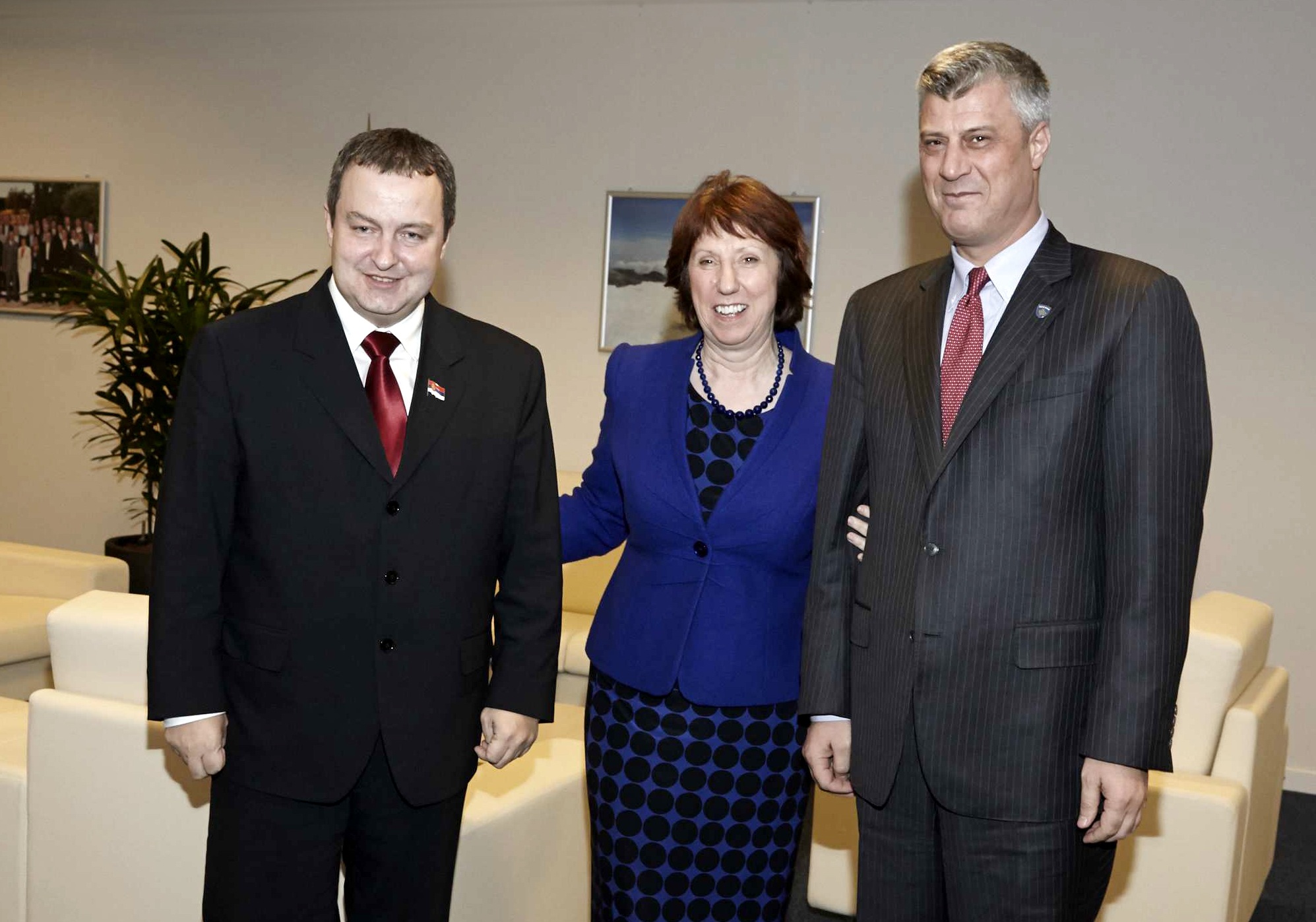
Two days of mounting tensions in the north of Kosovo brought to the limelight the unsolved question of Kosovo and the hanging diplomatic dispute with Belgrade, which refuses to recognize Pristine’s self-proclaimed independence dating back to February 2008. On Sunday January 20 and Monday January 21 the protests extended to the city of Mitrovica and to other Serbian-majority towns where Orthodox cemeteries were vandalized. These facts are linked to the protests of the Albanian people from Presevo, a valley to the South of Serbia, near the Kosovar border. Here the Albanian majority took the streets in sign of protest again the removal of a monument – illegally – erected to honor the memory of the fallen of the Presevo, Medveda and Bujanovac liberation armies, an Albanian formation (terroristic according to Belgrade), which in the years 1999-2001 fought against the Serbian army in the attempt to join forces with Kosovo. It’s a complex picture whereby oppositions – albeit fomented by minority groups – risk diverting attention from the recovery of negotiations in Brussels between Serbian premier Ivica Dacivi and his Kosovar counterpart, Hashim Thaci, under the aegis of the EU High Representative for Foreign Affairs & Security Policy Catherine Ashton. In order to learn more about the role that can be played by the European Union in these negotiations, and, more in general, in the stabilization of the Balkans, Michele Luppi interviewed for SIR Europe Serena Giusti, researcher at ISPI (Institute for Studies on International Politics), professor of European institutions at the Cattolica University in Milan.To what extent could the tensions of the past days be connected to the resumption of negotiations between Belgrade and Pristine? "Episodes of clashes and protests aren’t new, especially in the North of Kosovo, where the Serbian majority has strong ties with Belgrade’s government, and where tensions with the Albanian population (the Country’s majority) are more likely to happen. For this reason the outcomes of the negotiations have a stronger impact on this area. Moreover, it should be remembered that the atmosphere of tension and anger is also deeply linked to the serious economic situation in Kosovo, with the gradual disengagement of International Organizations".How does the lessened commitment affect the situation in Kosovo? "Kosovo’s economic future is undetermined. For over a decade the economic situation of the territory was connected to International Organizations’ projects (i.e. the UN and OECD) and to aid to NGOs, although the economic crisis is gradually shifting the focus of attention to other international emergencies thus reducing its commitment, with consequences on the local population".How could the European Union and the prospect of integration of the Balkans influence the negotiation’s positive outcome? "The situation of Northern Kosovo, the regularization of relations with Belgrade, along with the tolerance and protection of the Orthodox religious patrimony (starting with monasteries) are among the EU’s requirements for Pristine’s accession as candidate country. At the moment however, also because of difficulties within the EU, the path of integration of the Balkans has reached a standstill. Also Serbia’s candidate country status is suspended. This lessens Europe’s appeal in the eyes of the local population". In July 2013 Croatia is expected to join the EU. What are the true perspectives for other countries? "European countries and their public opinions are rather unwilling to further enlargement. Take the example of Montenegro, that started negotiations for EU membership in 2012, and whose accession is expected to take place no earlier than 2020. For Brussels it’s hard to moderate between openings and closure, especially in a politically difficult circumstance such as the present one, with other urgent issues on the agenda".EU Countries are divided on the status of Kosovo. In fact, most Countries (such as France, Italy, Germany and the United Kingdom) have recognized its independence while others (Slovakia, Spain, Greece and Cyprus) have opposed it. What role do these divisions play? "It should be underlined that the non-recognition of certain countries is due to internal motivations, in particular to the will to counter independent drives. However, this is yet another weakness of the EU".Can the European path of Pristine and Belgrade be separated from the question of the status of Kosovo? "Adhesion agreements are generally carried out by Community institutions with sovereign states, that’s why Brussels has decided to continue the dialogue with Serbia and Kosovo, imagining their simultaneous adhesion. On the one side, this is a way to exert pressure on the government in Belgrade by binding adhesion to the question of Kosovo, on the other it leaves the ‘status’ question hanging, prioritizing less politicized issues such as the regularization of trade or customs issues. The definition of the status will be that last step, but I’m positive about the continuation of the process".
