NEW MOVEMENTS
Cardinale Erdõ denounces religious adhesions tied to job offers

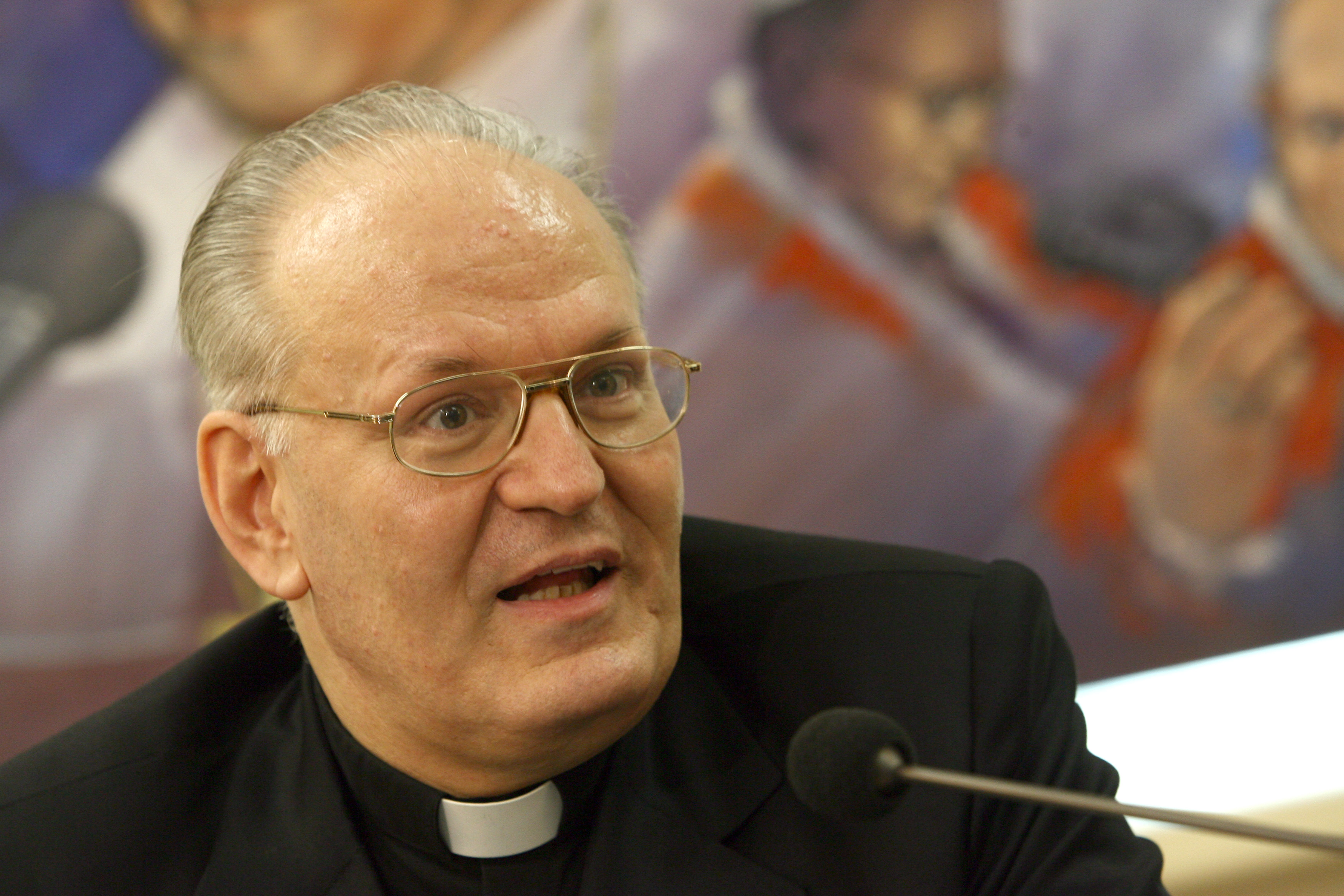
From February 4 to 6 Warsaw hosted the joint meeting of the Council of European Bishops’ Conferences (CCEE) and of the Conference of European Churches (KEK). For three days in depth debates were held with the contribution of experts and the sharing of experiences on the theme of "The new Christian movements in Europe: challenges or opportunities?", a phenomenon representing 20 million people according to estimates. Within the framework of the meeting, Maria Chiara Biagioni, for SIR Europe, interviewed in Warsaw Cardinal Péter Erdõ, Archbishop of Esztergom-Budapest, President of the Council of European Bishops’ Conferences.Your Eminence, is the phenomenon of new Christian movements in Europe a challenge or an opportunity? "Even despite ongoing secularization in Europe the need for religion emerges clearly, and certain movements respond to this need in their own ways. The movements are varied, mostly founded by Pentecostal and evangelical groups. In some East-European countries some of these movements seek consensus also through job offers and housing, while eventually expecting the donation of a large part of one’s salary in return". What ‘s behind the success of these movements? "I’m not completely sure that all of this success is exclusively bound to the need for God. It seems to derive from the need to immediately reach a state of wellbeing, an extraordinary spiritual experience, or even one independent from a historical religion. But our faith is bound to Jesus Christ from whom we received the fullness of divine revelation. Ours is not a philosophical or emotional religion. Ours is a religion that historically depends on the Revelation". It seems that people find it hard to adhere to a more committing form of religiosity…"It is necessary to identify what is understood as ‘committing’, since even those who are willing to pay 25% of their salary each month, have a commitment to fulfil. But it’s also true that many of those who leave eventually return. Figures clearly show a fluctuating trend, which is atypical in the case of historical Churches. Many of those who leave, do so for various reasons, as they realize that promises remain unfulfilled, either because the leader or the founder dies. In these movements religious leaders play an extraordinary role but when they die the movement grows weaker and weaker. However, we’re talking of direct and immediate religious experiences. Many groups carry out healing practices or prophecy, or even practices to combat the devil and exorcism. These phenomena are present also inside our Church, but not in such a spectacular way. Which however is a marginal phenomenon. But in these contexts they appear to have a great appeal". Why? What are people seeking in these experiences? "They seek experiences, temporarily sensations, since today we live in a culture marked by immediate wellbeing. That’s what the majority is seeking. We live a situation marked by the emergence of the cult of ‘feeling’, which sometimes entails also a spiritual and religious aspect, although it doesn’t necessarily require logical content. But we should not be ashamed about the logic of our creed, as it expresses the very foundation of our faith". What should be the response to these people’s expectations? "For years the Catholic Church has been carrying out her mission for the new evangelization, so that all Christians may proclaim the Gospel to contemporary men and women. Thus the Church recognizes the urgent need to share her joyful experience also through our communities, or through music, art and dance. We ought to develop new languages, finding the ways to meet widespread responsiveness to audiovisual communication". Thus the new movements prompt historical Christian Churches to step up their creativeness. Is it true? "Indeed this can be seen in the movements born inside the Catholic Church, which propose the experience of a more joyful, missionary Church, whilst preserving a deep communion with the Church as a whole. The founders of movements within the Catholic Church acknowledge the need for such connection". What happens if that connection is lacking? "There is a want of content, with repercussions on the ethics of behaviours and on the community’s composition. And the most precious thing, namely, the connection with Grace, fades away. With consequences also at societal level". What is the commitment pledged by Christian Churches in Warsaw? "We acknowledged the need to step up our missionary activity. Although we haven’t yet reached full communion between all Christian Churches, these feel the need for solidarity in their mission. We must find concrete forms of this solidarity but we must return to proclaim Jesus Christ to Europe, and most possibly together".
