EUROPEAN UNION
MFF negotiations with European Parliament after the summit

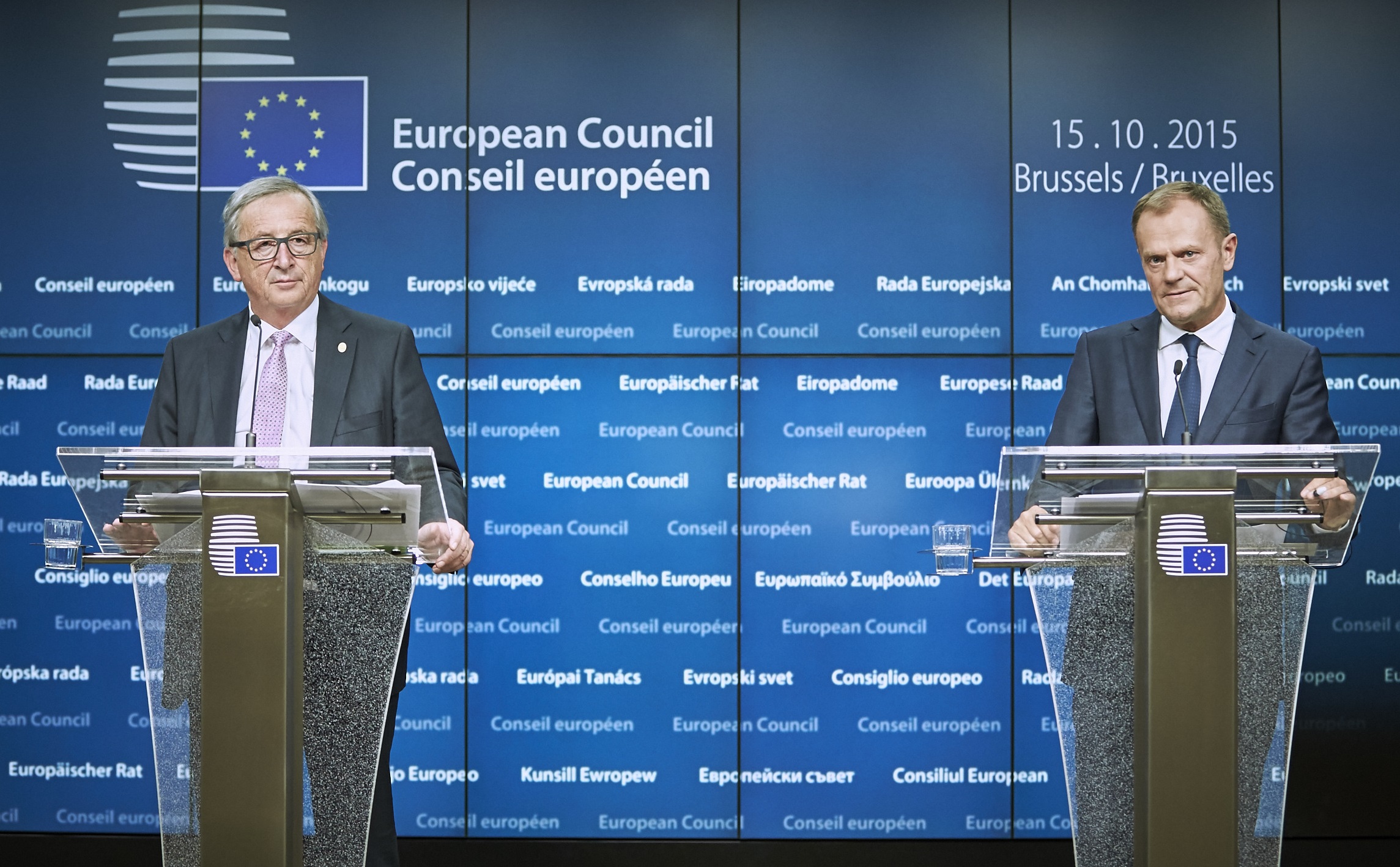
The conclusions of the European Council of 7 and 8 February on the Multiannual Financial Framework far from being an achievement are to be viewed as a starting point for the 2014-2020 budget. In fact, the agreement reached between EU-28 Heads of State and Government (including Croatia, seen the entry in the "common home" next July) is the first step of the negotiations with the European parliament, that shares the authority over the budget at Community level with the Council. And given the initial reactions, it will not be easy to balance the accounts.Conflicting figures. The summit outcomes are known. The President of the European Council, Herman Van Rompuy, described it as the "balanced budget geared at growth". Also the majority of EU leaders as the left the Brussels meeting, confirmed their relative satifaction. "A good compromise", is the most frequent remark. Although in some cases, and often for different reasons, much more enthusiastic comments were made, such as those on the part of Cameron (GB), Rutte (H), Tusk (PL), Hollande (F), the German Chancellor Merkel, Monti (Italy) and Rajoy (SP) conveyed stiff smiles, while the President of the European Commission Barroso looked worried. The non-stop debate on the budget ends with 960 billion in 7 years for the "commitments", 908 for payments (namely, the sums available for investment and project), representing a remarkable setback compared to the 2007-2013 MFF, although in the meantime Europe has grown, with three more Countries, more population, new skills. Funds allocated for growth, innovation, security and cohesion were diminished compared to the draft budget previously drawn up by the Commission, The same foes for infrastructures (such as the Connecting Europe chapter) and the External Action Service. Funds for CAP and the new fund to promote youth employment in regions where figures are higher than 25% were confirmed, amounting to 6 billion. Different chapters. "The Commission would of course have preferred an outcome closer to its original proposal". "But I must recognise that the political deal" made last week "was the highest possible level of agreement that the Heads of State and Government could reach at unanimity", José Manuel Barroso commented with diplomatic talent. "The levels agreed today by the Heads of State and Government are below what the Commission considers desirable given the challenge of promoting growth and jobs across the European Union in the coming years. During the discussions I underlined that this political agreement launches a process. The next step is to obtain the consent of the European Parliament". The head of the Executive, who will be called to manage EU accounts year by year, finding positive elements also in the compromise between leaders: "in some areas we will be able to invest significantly more than in the past. This is true for research and innovation" (Horizon 2020 programme)", for "Erasmus for all"; "there will also be a program dedicated to small and medium enterprises". Barroso delved into the "initiative for youth employment", perhaps the only novelty of the MFF. "This is a commitment to act at European Union level on today’s main political and social challenge which is getting our young people back in work". "I am also very pleased it was possible to preserve the aid programme for the most deprived people", even though, Barroso fails to recall, the funds were reduced from 2.5 to 2.1 billion in seven years. There remains a relatively substantial amount of funding for cooperation for development and humanitarian aid to third countries. The first stop. "The European Parliament can’t accept the deal reached by the EU Council". The first authoritative rejection of the Multiannual Financial Framework was pronounced a few minutes after the conclusion of the European Council by the leaders of Parliament’s four largest parties: Jospeh Daul (EPP), Hannes Swoboda (S&D), Guy Verhofstadt (ALDE) and Rebecca Harms e Daniel Cohn-Bendit Greens/EFA. "The core priority behind Parliament’s choices is the ambition to promote growth and investment in the EU, and thus to contribute to Europe’s sustainable recovery from the crisis. This agreement will not strengthen the competitiveness of the European economy" but "weaken it. It is not in the prime interest of our European citizens". The political groups announced a tug of war. "Large gaps between payments and commitments will only store up trouble for the future". Parliament highlights four key issues requiring different response. These are: increased flexibility between years and between categories of spending, a compulsory revision clause, the quest for "own resources" for the European budget, finally "we cannot accept a budget based solely on priorities of the past".
