EUROPEAN UNION AND THE YOUNG" "
The sixth edition of the European Youth Week

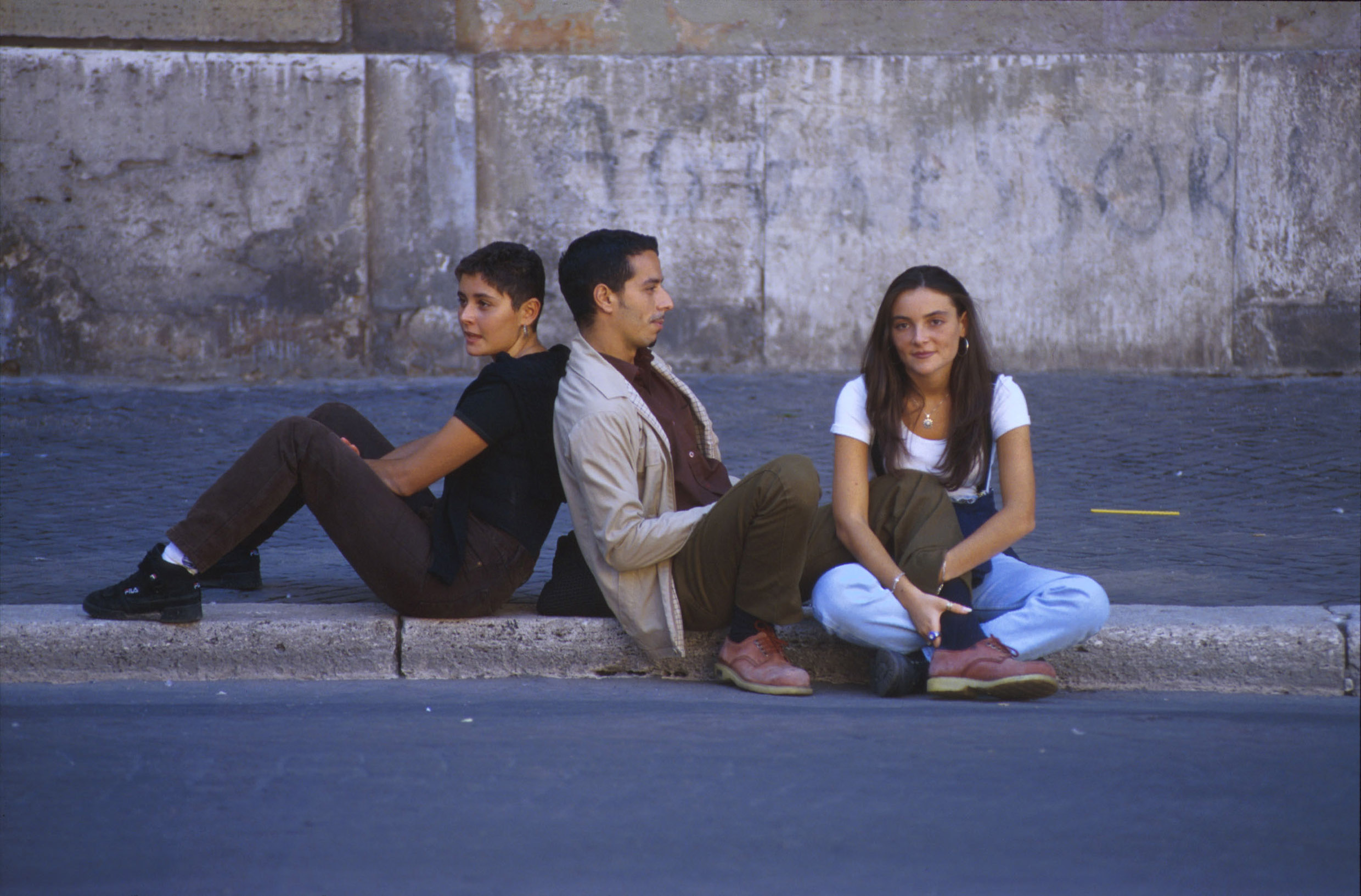
Active citizenship and young people are two issues that are not only at the center of European debate, but they are also the pillars that can influence its course and its outcomes. Currently young people do not participate actively in the life of the EU and feel that politics is not able to listen and give concrete answers to their needs, as pointed out in a recent Eurobarometer report. “But despite all they have a positive view of Europe”, noted Androulla Vassiliou, Commissioner responsible for Education, Culture, Multilingualism, Youth and Sport in a conference in Brussels on 31 May, to celebrate 25 years of community programs for young people. An important finding, especially when compared to the recent data regarding the level of youth unemployment in some European countries. Young people “want to participate”, their cry is loud and strong but “it’s up to us to provide the conditions to make them feel truly involved in the decision-making process”, said the Commissioner.Citizenship and integration. Not surprisingly, then, during the sixth edition of the European Youth Week (May 26-June 2), during which was also celebrated the anniversary of EU programs for young people, the main theme was active citizenship, particularly in the European Year of citizens. A series of initiatives will delve into the theme of young people and their participation in society and in the forthcoming 2014 elections that will elect the new members of the European Parliament. “Today, as 25 years ago, youth unemployment is once again a big concern – highlighted the Commissioner – and Europe is taking serious measures to identify the way out of the crisis”. Even President Barroso recently emphasized that European integration must be pursued openly, transparently and with the explicit support of European citizens. These words are fully shared by Vassilliou who was keen to point out “that first of all the young Europeans must feel an integral part of this goal”.Youth in action. “The social integration of young people, in all its multiple facets appears more and more to be one of the principle problems of European societies; (…) young people during this period of their life encounter difficulties in participating fully in the economic and social life of their respective countries”, the Commissioner said. The danger is that “unemployment, poverty, disengagement and lack of effective channels of upward communication may lead to phenomena of disengagement or extremism”, noted the Commissioner, which explains the key role of “Youth in Action” programs that in a timeframe of 25 years have allowed many more people than those expected initially to travel throughout Europe for education, make constructive experiences, questioning and believing in European potential. The future is of the young. “We have to ensure that no one is left behind, paying special attention to young people hit by the crisis or having fewer opportunities, due to personal circumstance”, Vassiliou said. “We will develop, with our colleagues in Member States, a Medium Term Work Plan to ensure a more coherent and result-oriented approach”. In this approach, that envisages also round tables and debates, the voices of young people must not remain unheard. A concrete example was given during the Week devoted to them. With this initiative they communicated their needs and what they expect from the EU. Today, as in the past and as it will be for the future, “these programs will play a key role in the education curricula of young Europeans”. We’re working to ensure that in the seven years to come the programs will offer increased opportunities for volunteering, youth exchanges and other forms of participation for young people. It will also offer increased possibilities of training and networking for youth workers and youth organisations”, concluded the European Commissioner, extending an optimistic glance to the future.
