EDITORIAL
The EU, elections in Germany and other countries, difficulties in Italy and France

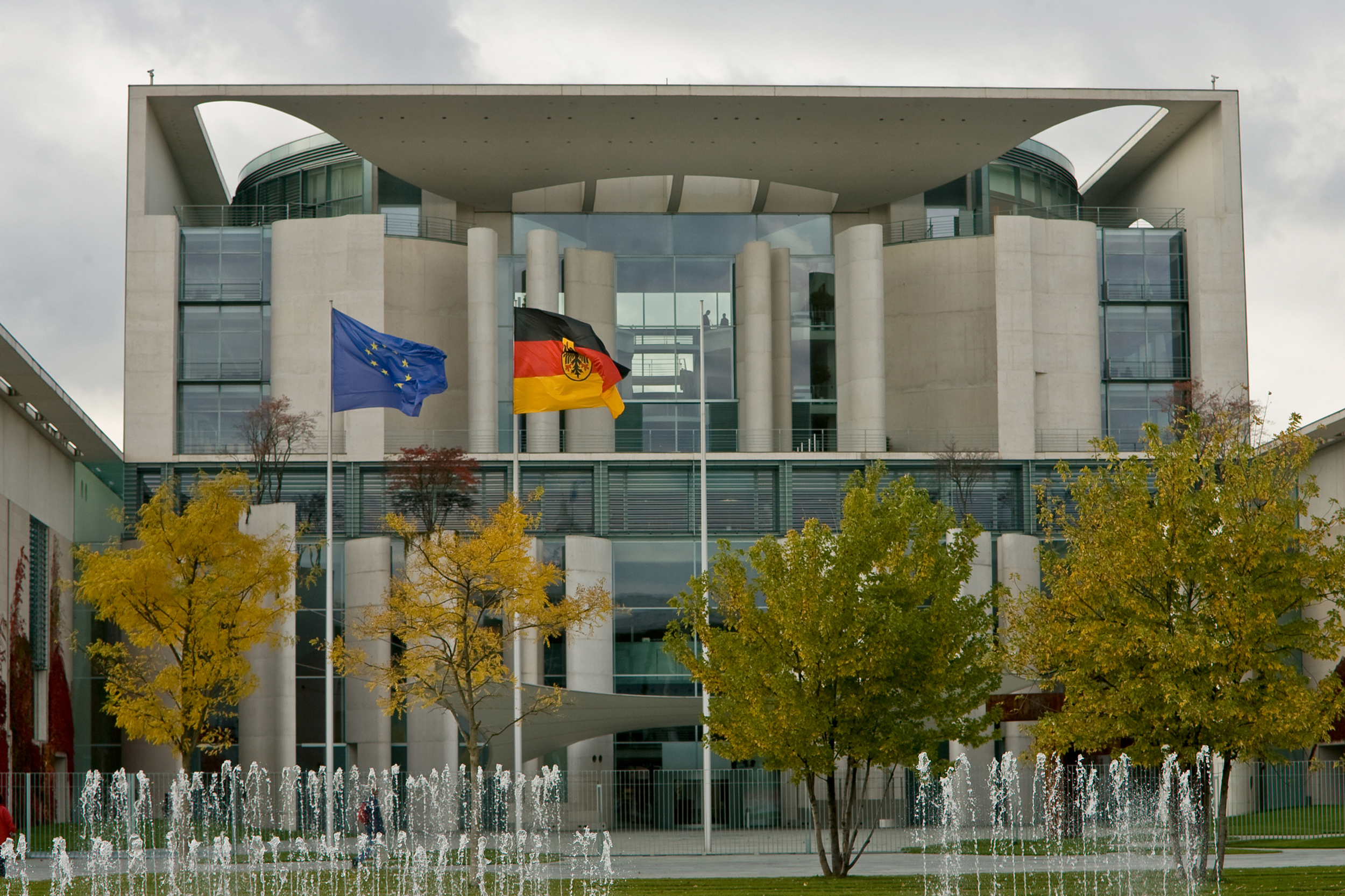
The summer months brought some good news to those who believe that in the 21st century Europe cannot preserve its social model and promote its values simply by continuing its integration process. Nonetheless, Germany’s parliamentary elections of September 22nd and other events scheduled for September and October in various countries are due to act as reliable testing grounds.Past June 27-28 EU heads of government and state, acting through the European Council, have given a clear sign of their intention to fight the scourge of unemployment, afflicting some 5.6 million youths in the Old Continent. A sum ranging from 6 to 8 billion euros has been allocated to co-finance "guarantees for young people" in regions where unemployment among the under-25 age group exceeds 25% of the overall population. This measure is set to ensure a job, an opportunity of formation, along with internship and vocational training to young people under 25.Not long before the summer summit, those in charge of negotiations within European institutions had reached an agreement on the EU’s Multiannual Financial Framework for the period 2014-2020. Dragging on negotiations would have resulted in the interruption of European institutions’ commitments in this area a few months before the EP elections of May 2014. To the European accomplishments should be added the agreement of June 26 on the new Common Agricultural Policy.Moreover, on July 10 the European Commission adopted a proposal for a single resolution mechanism for banks. After the adoption of the single supervisory mechanism for all six thousand euro zone banks, this is the second pillar of the reform. The proposal was adopted by the College of Commissioners as a result of the political agreement reached by the EU’s Council of Ministers on the community directive regulating the restructuring of national banking systems. Accordingly, if a bank bailout is needed in the future, bank shareholders and not depositors will be consulted: the latter will be informed at a later stage.If also the opening of official negotiations between the EU and the United States on a Transatlantic Trade and Investment Partnership (which brought to Washington – July 8 through 12 – 150 negotiators divided into 24 working groups) is put into the picture it clearly emerges that the European Union and its institutions have enriched the summer with a set of events highlighting a dynamics that contradicts widespread accusations of a ‘do-nothing policy’ to address the ongoing crisis.It may be that many of the protagonists, who left Brussels and Strasbourg headed towards their holiday destinations with a feeling of satisfaction for the work carried out to date, put in their suitcases the July-August issue of the magazine "Foreign Affairs" featuring an article by Nicolas Berggruen e Nathan Gardels titled, "The Next Europe. Towards a Federal Union" (www.foreignaffairs.com Berggruen Institute, the failure of the euro currency would most direly affect Germany’s middle classes. Their objective interest for true political union could thus be achieved in exchange for a mutualisation of national debts with euro-bonds or through other tools. ). In the article, the authors underline the need to pave the way to the federalization of the European Union based on the Swiss model. Accordingly, drawing from a debate between eminent European political leaders, organized by theIn line with the words of Msgr. Robert Zöllitsch, archbishop of Freiburg, president of the German Bishops’ Conference – who in an August interview conveyed his forebodings about the return of a nation-state system, looking forward to a European clarification on Germany -, also a large majority of the German population now seem willing to pursue an integration process aimed at the establishment of a European Federation.Still, it will be necessary to wait until the end of September, when the intentions of the new Merkel government will be known. Also other European populations need to be attentively followed. For instance, in September-October national elections will take place in the Czech Republic and in Luxembourg, and in the same period we will witness the outcomes of the Italian political crisis that currently poses a threat to the Letta government, along with the developments of the social and political conflicts ongoing in France.
