AUSTRIA
Caritas director: “Aid cannot be denied”

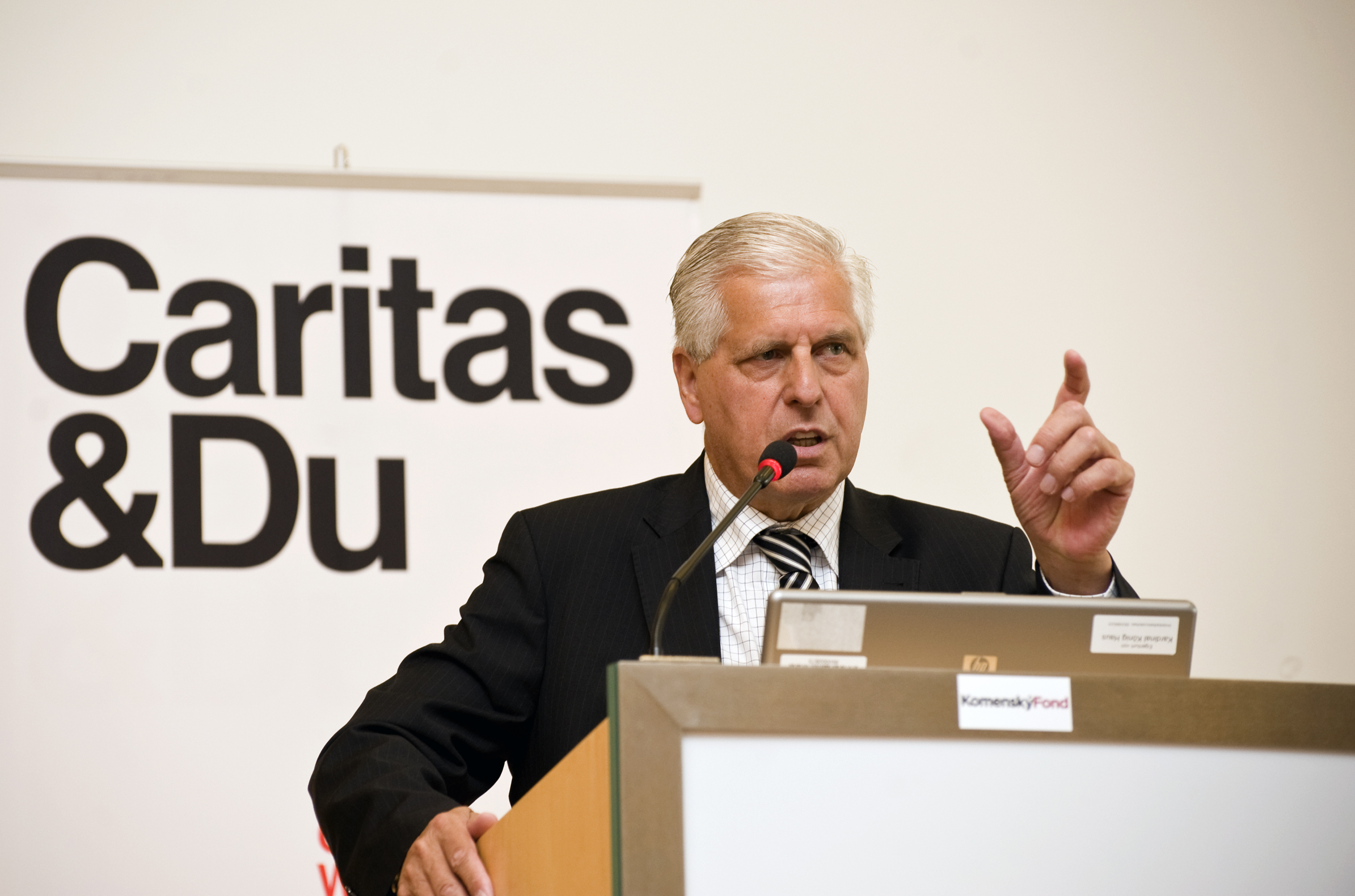
In the past 24 years Austria has been the country of arrival of increasing numbers of refugees from Countries in the Near and Middle East and from other hot areas marked by humanitarian crises. Also owing to its geographic position, Austria has always been a doorway to Europe. In the past years, Austria had been actively supporting the refugees, including the presentation of proposals to improve their status. SIR interviewed the President of Caritas Austria, Franz Küberl, a major coordinator of the international crisis aids, to discuss the problems and strategies aimed at a solution. The situation in the Middle East, notably the situation in Syria, is unbearably tragic. In your opinion, which approach should Europe should adopt, and what will be the answer of the Austrian population vis a vis the refugees expected to arrive also in Western Europe, after having landed in its bordering Countries? “The repercussions of the ongoing civil war in Syria have also been felt in Austria for the past two years. The number of Syrian refugees peaked since the beginning of the conflict, in March 2011. In 2012 some 190 people from Syria asked asylum to Austria, 915 in 2012, while in 2013 many more refugees are expected to seek protection. In August the Austrian government announced its decision to welcome 500 Syrian refugees within its borders. This is a positive attitude. We also think that priority should be given to those in greatest need of protection, who have no chance of returning to their homes nor prospects of a dignified life and of a longstanding integration in the initial countries of reception, such as Jordan and Lebanon. These include families belonging to persecuted religious minorities and vulnerable groups such as women, children and sick people. European States must show solidarity towards the initial countries of reception, Jordan and Lebanon, and support these Countries that have borne such heavy burden”. What is the meaning of the humanitarian action towards the refugees? What is Austria’s approach towards asylum seekers? “Humanitarian reception of Syrian refugees in neighbouring countries is a fundamental sign of international solidarity. European countries should join them. It should not be forgotten that countries bordering with Syria have welcomed a large part of the two million refugees who have endured a dire burden. Since the outbreak of the conflict Caritas Austria has supported Syrian refugees in Lebanon and Jordan with emergency aids through the distribution of food, clothing, medical care and temporary housing. Unfortunately Emergency Aid programs of charity organizations have scarce funding. Considering the increasing numbers of refugees support should be stepped up with a European and international common effort. I also deem necessary an asylum right valid across the EU, which should include all human rights. During the asylum procedures, asylum seekers in Austria receive living facilities, medical care and legal advice. Compared to other European countries, in Austria asylum seekers fare better. But at a closer glance it appears evident that their situation is far from satisfactory. Indeed, they do have a roof above them, but unfortunately the housing units are often in bad conditions and also assistance is sometimes insufficient. Since asylum papers could even take years to be processed, and in the meantime asylum seekers are not eligible to be hired, they are kept in a state of inactivity for years. For many people, especially traumatized people, this situation is the cause of severe psychiatric problems”. What are the major problems of asylum procedures? “Asylum procedures often lack a fair approach. The law is extremely complex and legal advice is limited. Many asylum-seekers, such as unaccompanied children refugees, are dealt with without considering their specific situation. For them, it’s hard to explain their flight and be recognised as refugees by the authorities. Furthermore, in the light of the upcoming National Council elections, a political party in Austria is spreading a negative image of the refugees amongst the constituency for political purposes. Refugees are automatically associated with crime and pictured as a threat. Some of my fellow citizens are starting to resent this situation and they would rather have less refugees in the country. Likewise, the refugees would rather have no reason to flee their countries! The tragedy is that the causes, such as the war, violence and hunger, linger on. Individuals have the right to resent a situation. But Caritas doesn’t have this right, nor do European countries”.