CCEE" "
An overivew of the Churches on “Litterae communionis”

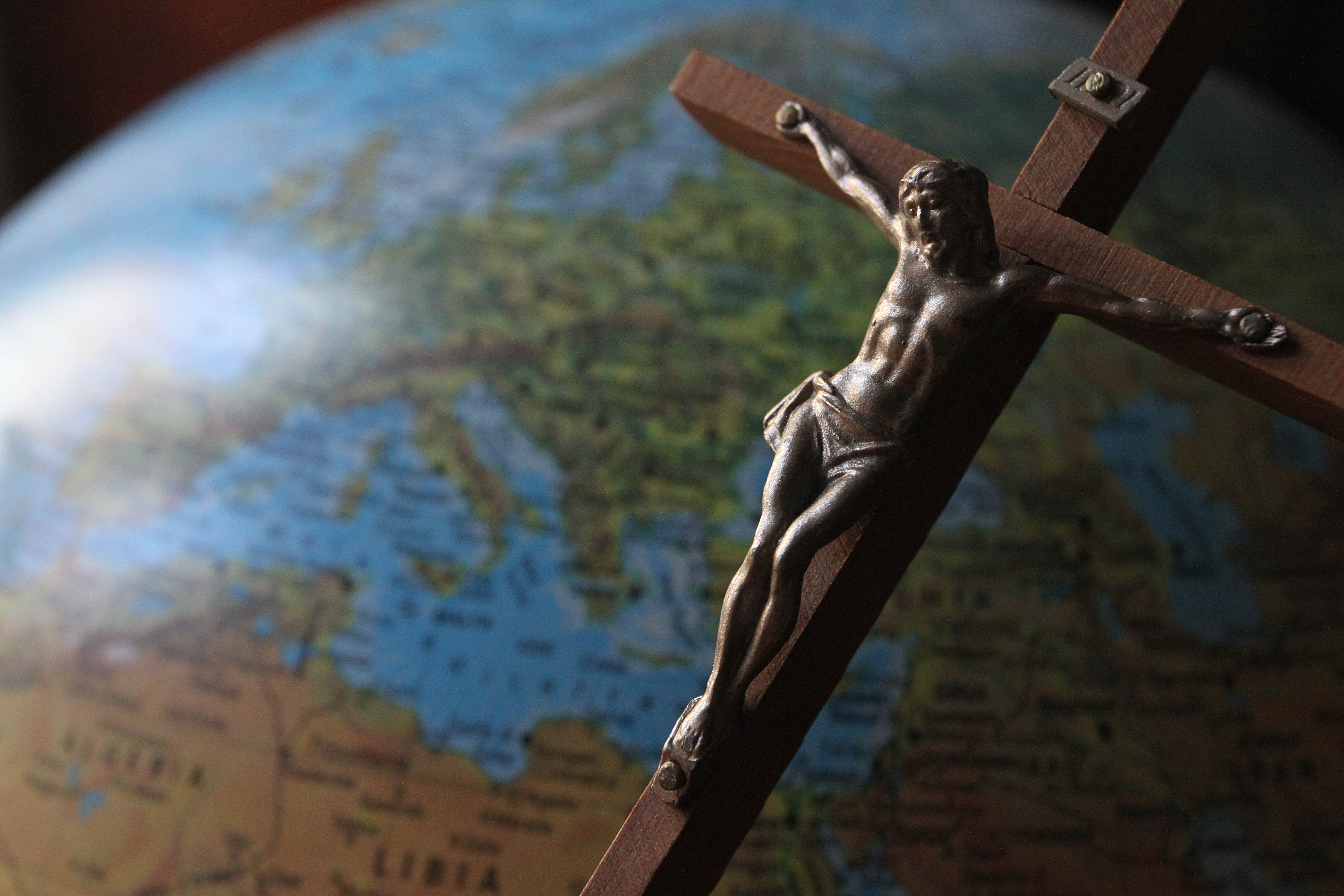
The latest issue of “Litterae communionis”, the periodical of the Council of European Bishops’ Conferences (CCEE) with news and facts regarding the life of European Churches in recent months, features an editorial devoted to John Paul II’s apostolic exhortation “Ecclesia in Europa”. “Ours is a time of promises, and often also of illusions leading to delusion”, it states. “Solid hope is lacking. The apostolic exhortation of the Pope focuses on hope and on our continent’s need for hope. Not just any hope, but the Christian hope whose name is Jesus Christ”. “Litterae communionis” was conceived with this spirit, as the “sign” of an “exchange of gifts”. “The life of the Church in Europe is surely not limited to what the Bishops’ Conferences do. Many living realities, dioceses, parishes, movements, communities and groups testify to the living presence of Jesus. Christian people and communities are the protagonists of faith and life, they show that the wind of the Holy Ghost blows also in adverse circumstances”. Forthcoming meetings. The agenda of meetings and initiatives which European bishops are involved in is busy as usual. This year’s CCEE plenary meeting- the umbrella body that brings together the president of all 33 bishops’ conferences in Europe, the archbishops of Luxembourg, principality of Monaco, of Cyprus of the Maronites, the eparch of Mukachevo (Ukraine) and the bishop of Chiºinãu (Moldova) – will be held Bratislava October 3 to 6. Also in Slovakia, in Kosice, will take place the meeting of the bishops of oriental rite, scheduled from the 17th to the 20th of October. The bishops coordinators of the pastoral of charity will convene in Trieste Nov. 4 to 6 over the theme “Faith and witness of charity”, while the meeting of the national directors of the pastoral of migrants will be held in Malta December 2 to 4. The theme of the meeting is: “The pastoral care of migrants and refugees between integration and inclusion”. A set of interesting events mark also the ecumenical agenda: the next CCEE-CEC joint committee meeting will take place in Hannover February 17 to 19 2014, while the 4th Catholic Orthodox Forum will be held in Minsj June 2 to 6 2014, to discuss the theme “to be Christians in Europe at a time of secularism”. The meeting of juridical advisors. The work of the Council of Europe, particularly in the legal sphere, was the focus of attention at the meeting of the legal advisers to the Bishops’ Conferences who met for the first time in Strasbourg from 12-14 September 2013 “to deepen their knowledge of the European institutions and to discuss and share together with some of the Strasbourg officials the common concern for the true spiritual, political and social good of people throughout the continent”. More than thirty delegates, representing twenty-two Bishops’ Conferences in Europe, responded to the invitation from the Council of European Episcopal Conferences to meet for the first time. In the year when various celebrations commemorating the 1700th anniversary of the Edict of Milan have taken place in different parts of Europe, some time in Strasbourg was devoted in particular to the issue of religious freedom and to its various facets (conscientious objection, freedom of expression, freedom of denominational education, etc.). On a number of occasions, participants invited the Council to strengthen the promotion of religious freedom. Focus on the Church in Holland. Holland, just like other European countries, is addressing the major challenge of Catholics leaving the Church. Over the past years – states the CCEE release – the Church has been hit by a wave of negative news, notably the publication of the final report of the Deetman Commission on sexual abuse of minors in the Dutch Church. “The scandal of sexual abuse – states the report – requires the quest for the truth for purification and renewal, and justice for the victims. Only in this way will trust gradually return”. “What counts now is a faith lived at personal level. That’s why the parishes renew their communication of faith and catechesis. The rich fountainheads of our faith ought to start flowing anew. Our bishops call for a living form of Catholicism: open to all the questions of contemporary culture, whilst preserving a strong identity”.
