CHURCHES IN BRIEF" "

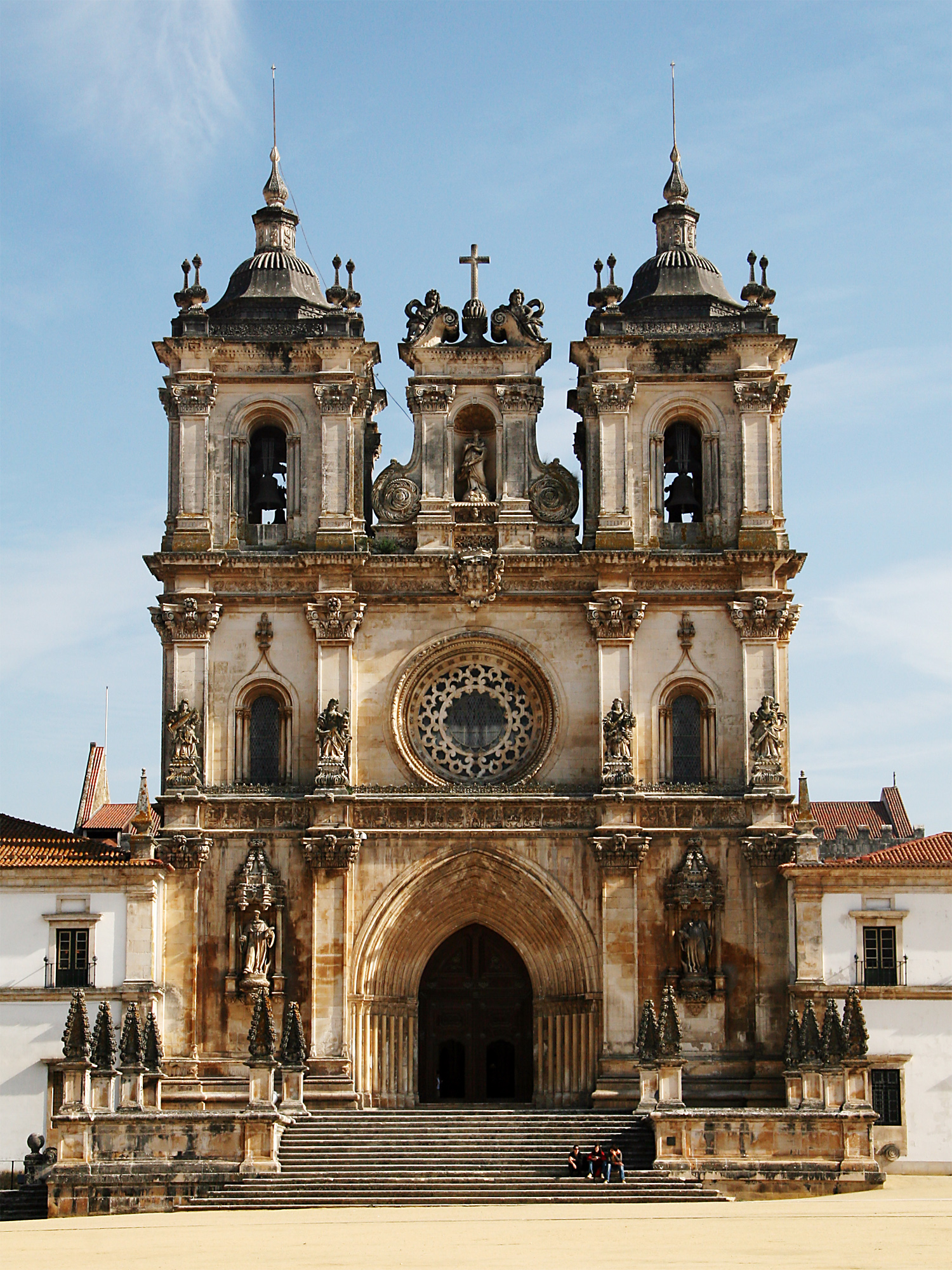
Portugal: the bishops’ voice on employmentPortuguese bishops announced the presentation of a document regarding the labour market during their next plenary meeting, due to take place in Fatima November 11 to 14. The purpose of the document is to “analyse the situation of unemployment along with the serious economic crisis afflicting the Country”. At the end of the recent permanent Council of the Portuguese Bishops’ Conference (CEP), father Manuel Morujão said: “labour is fundamental in prompting the birth of virtuous cycles enabling the overcoming of the ongoing economic downturn”. He added that during their Council meeting “bishops started compiling a document on human labour, considered critical to the resolution of the crisis”. Answering journalists’ questions on the possibility of further cuts on the pensions of civil servants, the CEP spokesperson said that Catholic representatives are carefully monitoring the situation of all workers. “The Church feels close to all those who are experiencing the consequences of impoverishment, and considers it a priority to defend those in a state of poverty and misery. The latter should be helped cross the threshold of mere subsistence”. “Supporting those in need is a mission of political leaders, but it also involves all social forces: it is a problem that everyone is responsible for”, concluded Fr Morujão, highlighting the importance of the promotion of a culture based on social solidarity. Spain, online course on the dialogue between science and faith The Theology Faculty in Catalonia, under the auspices of the Pontifical Council for Culture, promotes the first online course on the dialogue between Science and Faith, scheduled to begin in the month of October. The purpose of the course is the understanding of theology, thereby ensuring that ethical scientific benchmarks are put to the service of society as a whole. In particular, the course “will address delicate questions in the dialogue between theology and science, providing the theological and scientific foundations aimed at the establishment of constructive and serious dialogue on the subject”, the promoters said. In the first year the course will focus on Galileo, on scientific methodologies, on theology and truth, on the cosmological evolution of our universe, on the theories of biological evolution, on the theology of creation, on Jesus, the cosmic evolution and on the new concept of “evolutional creation”, the promoters explained. The course is addressed especially to those with a formative role inside the Church as teachers in Catholic schools, priests, religious and catechists, although it is open to all those wishing to participate. Most professors teach at the faculties of Theology and Philosophy in Catalonia, at the independent University of Barcelona, and at the Pontifical Gregorian University in Rome. For further information: www.scienceandfaithbcn.com. England’s Forum on Criminal Justice Over twenty charities and community project representatives were present last week in the cathedral of St. George, in South London, for the presentation of the new “Forum on Criminal Justice”. Speaking to Catholics engaged in the ministry in prisons, due to convene four times a year as members of the newly established body, bishop Richard Moth, responsible for pastoral care in prisons, spoke of the importance of “putting into practice the social doctrine of the Church so that those that committed crimes may find a place for redemption”. In England and Wales the Catholic Church has been helping the victims of crimes and those working in charities like St. Vincent, PACT, Irish Committee for prisoners outside Great Britain”, Catholic Association for Racial justice. The Church has been actively committed for the improvement of the living conditions in increasingly overcrowded prisons. Recalling the bishops’ appeal of ten years ago on the penitentiary as an opportunity for those in prison to transform their lives, Helen O’Brien, managing director of “Caritas Social Action Network”, an umbrella organization of charities, said: “Chaplains and organizations see the same problems and voice the same concerns”. “The Church not only decreases criminality thereby increasing moral responsibility and building up a community feeling”, O’Brien added, “she also helps the victims by supporting their families and reaching out to those who committed the crimes”.
