CHURCHES IN BRIEF

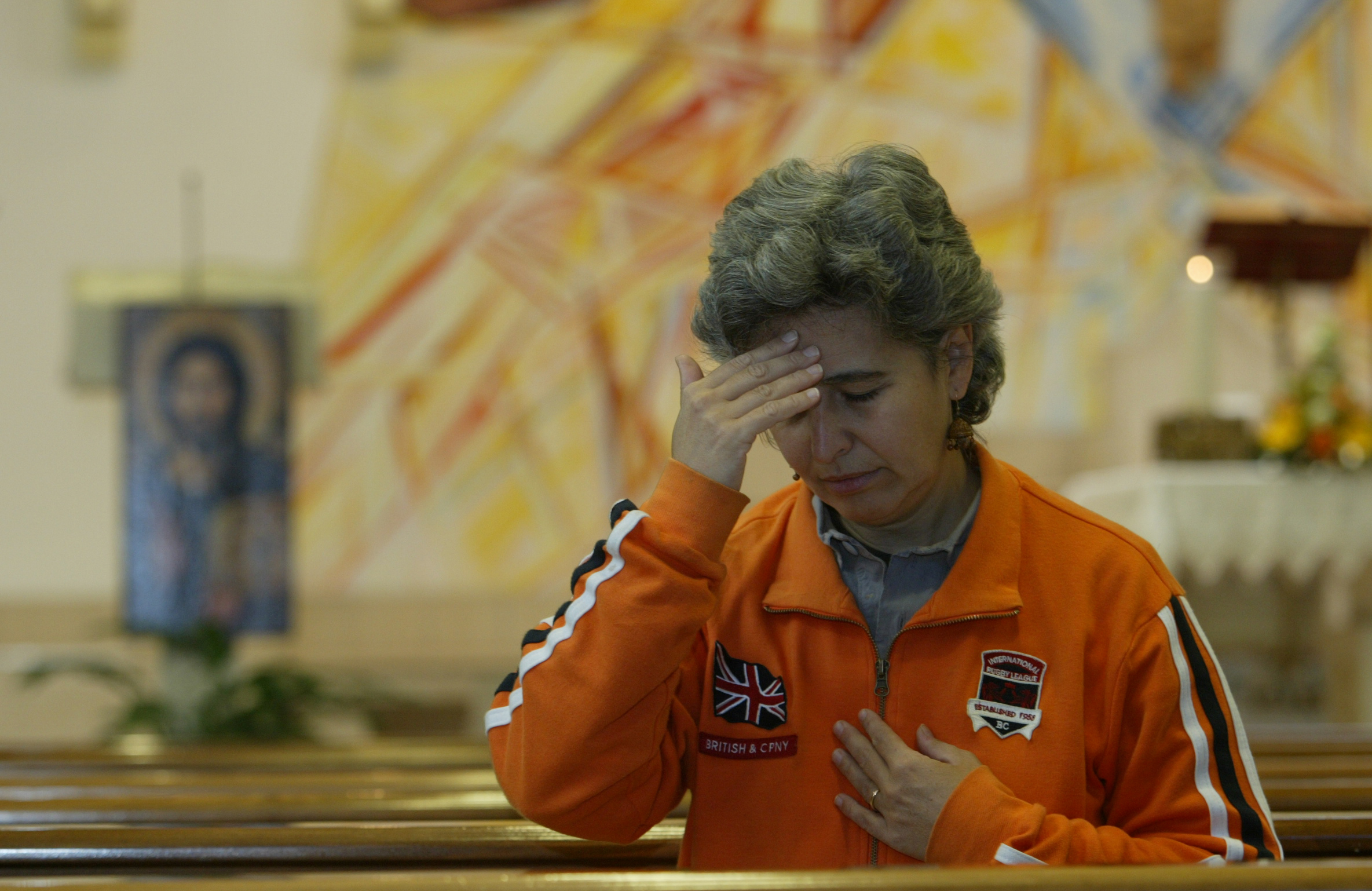
Portugal: Christian education weekThe Catholic Church in Portugal announced the programme of the Seventh national week of Christian education, scheduled to take place September 29-October 6 2013, which will focus on the transmission of faith and solidarity. “Faith is not a doctrinal teaching that binds the faithful to fulfil a set of religious practices. It’s a vital approach that prompts new life, an act of charity that creates more love, it’s the realization, in a single gesture, of the commandment to love God and our fellow other”, is written in the Pastoral Letter released by the Bishops’ Commission for Christian Education and the Doctrine of the Faith for the occasion. The theme of the initiative is “To cherish faith, and protect others”. The religious coordinators invite educators to “transmit the Christian message so that it may be perceived as a teaching for life, promoting the care of others, regardless of whether they are believers, compatriots or from foreign countries”. The bishops hope that the national Week may help all Christian educators to live the faith as formed and coherent believers. From October 4 to 6 the national Days of Catechists will be held in Fatima. On October 5th, the national day of Catholic Schools will address the theme: “The importance of sharing”. In the framework of the meeting, a collection of food products for poor families promoted by Caritas and by Portugal’s Catholic Schools Association will take place in supermarkets across the country. Denmark: sustenance for the dioceses Two meetings of priests and ministers of foreign language communities of the Danish diocese of Copenhagen, whose 50 parishes represent 41,200 Catholics, i.e. 0.7% of the overall population, were held a few days ago in Denmark. The seminars focused on the economic situation of the diocese and the strategies aimed at identifying forms of financial support for the Church and the congregations. “We spend very little money in our diocese, whose budget is lower than that of a large Catholic school”, said Father Niels Engelbrecht, moderator of the meeting. But finding funds for the parishes “is a shared responsibility. One solution is not enough, but we can learn from each other”. The moderator presented a survey of the various forms of Church sustenance in European countries, followed by an exchange of experiences between participants. Fund-collection initiatives range from “after-Mass coffee”, to the seizing of opportunities during special events, to campaigns online or on parish newsletters, emails and personal phone-calls. Registered users can continue exchanging experiences via the online forum on the diocese website.Iceland: affiliation to the Catholic community Iceland set up an official register on the religious affiliation of all believers in the country. On a population of 320 thousand, 11 thousand declare to be Catholic. But several thousands of Catholics in Iceland have not registered yet. Most of them are immigrants that are constantly arriving into the Country. For this reason the diocese of Reykjavík has launched a registration awareness campaign. Registration is anonymous for public authorities, while the Church has access to the names and addresses of the registered citizens. In fact, the communication in Icelandic and English posted on the website of the diocese states that “through registration the priest obtains information on the parishioners for the furtherance of his religious ministry”. Moreover, Iceland gives financial benefits to the Church according to the number of registered Catholics. It’s not a large sum (approximately 4 euros per person a month), “but it’s necessary to promote the activity of the Catholic Church in the Country”. “Registration is at zero cost”, is the encouragement on the website of the diocese.
