COMECE-MIGRANTS
A testimony on Church and the reception of refugees opened the Assembly of Bishops

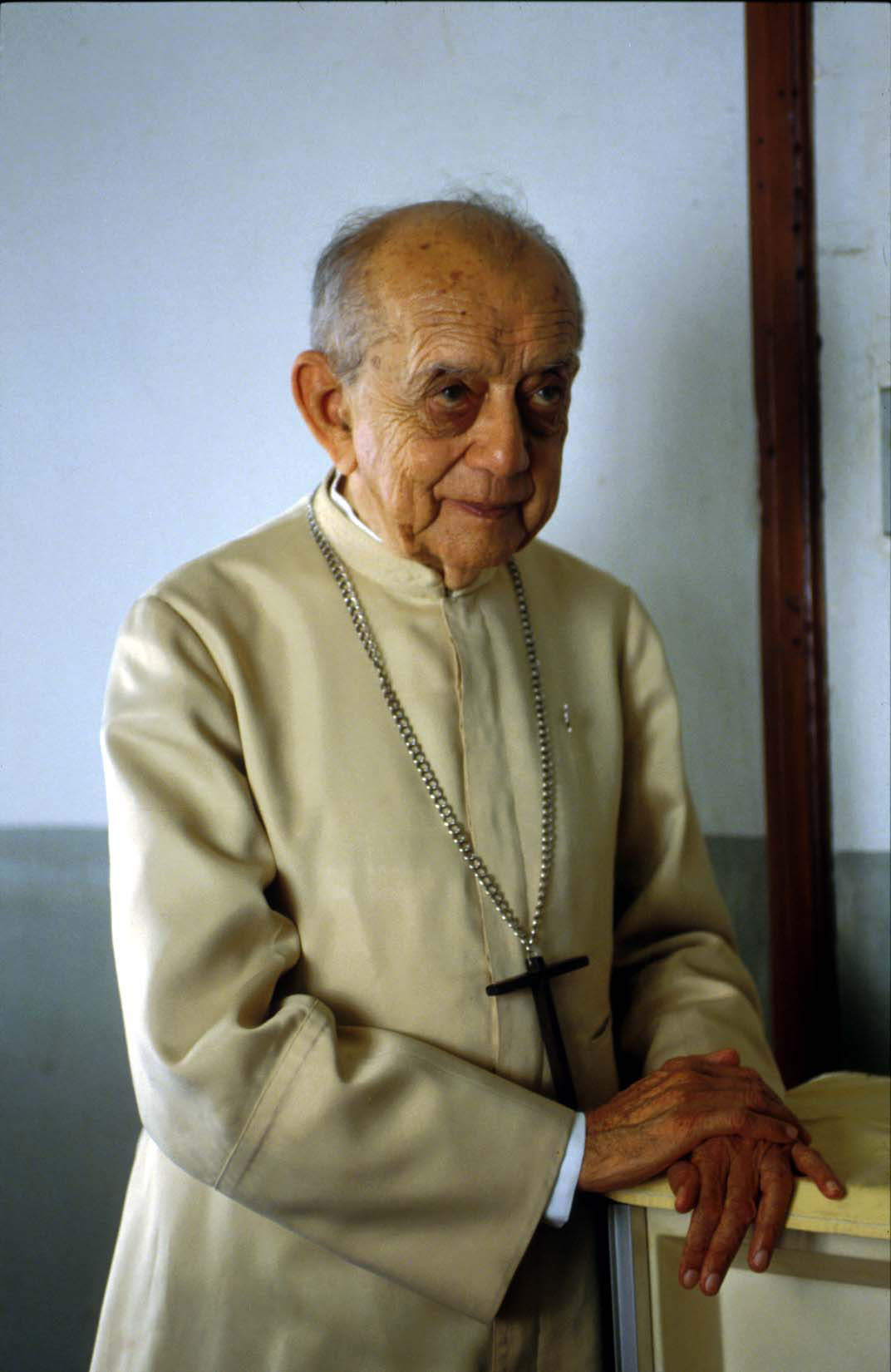
“The real turning point was when I was asked to become a catechist. At that moment I felt part of the community”. Cecilia Taylor Camara, a consultant for the migration policies of the Catholic Trust for England and Wales, a British charitable organization, shared with the Chapel for Europe in Brussels her personal experience as an immigrant from Sierra Leone. Her speech opened on 13 November, the program of the Autumn Plenary Assembly of the Commission of the Bishops’ Conferences of the European Community (COMECE), which continued until 15 November and focused in particular on the theme of reception and pastoral care of migrants in European Union countries.”The longest days…”. “My family and I were happy living in our country, we lacked nothing, we had a job and a house. But because of the civil war in 1997 we had to flee the country and since that time I have shared the experience of those who leave everything” to save their life, said Taylor Camara. The authorities deported her, her English husband and their two small children to the UK. “The impact was really hard. In the beginning we were separated for a week, I had no news of my husband: those were the longest days of my life. Then, slowly, we tried to get accustomed to the new reality in a neighbourhood north of London. We had nothing, but faith has helped us. God, who had saved our lives, was still near us. We started attending a Baptist church where we were welcomed with much warmth. Then we approached, not without toil, the Catholic community, being Catholic myself. It took time before we felt part of the parish. We attended Mass and I did some volunteer work. When, however, we were introduced into the group of catechists I felt fully part of the parish. I’ve done that job for 12 years and from children I received more than I’ve given them”.Reception networks. Cecilia Taylor Camara then began to carry out support activity to families arriving in the district. Finally she became operator of the ecclesial service for the integration of migrants. She continues: “We try to create hospitality networks for migrants. But integration is difficult, because migrants are often left alone, frowned upon, and thought to have come into European societies to exploit them. People tend to forget that almost always they have fled from unbearable situations, “without freedom, safety, jobs and rights”. She added: “The Catholic Church in the UK has become a factor of integration because she realized the wealth that migrants bring to the Country”, both in social terms (in aging Europe) and at ecclesial level, “by filling the churches, participating in lively and original ways in the liturgy”. Questions to the Church. In the words of Taylor Camara reverberate personal sufferings, concerns over what is happening in Sierra Leone and Africa – torn by armed conflicts, poverty, disease – problems related to the presence of “foreigners” in the Old Continent. She addresses a wide range of topics, ranging from asylum regulations for refugees to social and educational structures, to prejudice of a cultural and political nature. Her face lights up when she proudly explains that her first daughter graduated and the second will do so soon. Personal delivery is part of the integration of migrants and refugees. She highlighted other thorny issues, such as the trafficking and exploitation of migrants or illegal immigration. As relates to the role of the Christian community she wonders: “Are we able to open the doors of our churches to these people? How can we welcome them? How can we measure the needs of our neighbour? How and what can we learn from each other?”. She addresses the questions to the European bishops gathered at the meeting.Something is changing. Card. Reinhard Marx, Archbishop of Munich-Freising and COMECE president, remarked: “We should not limit ourselves to open our homes and churches to migrants, but also to recruit and train people who are able to accommodate these people “with the sensitivity and the necessary training, considering cultural, linguistic and religious differences. “Special attention should be paid to cases of unaccompanied children”, His Eminence pointed out. “It seems to me – he said- that something has changed after the recent events of Lampedusa. Perhaps there is more availability in the public opinion. ” “It is necessary that Member States carry out their task, intervening” in terms of asylum and hospitality.
