CHURCHES IN BRIEF

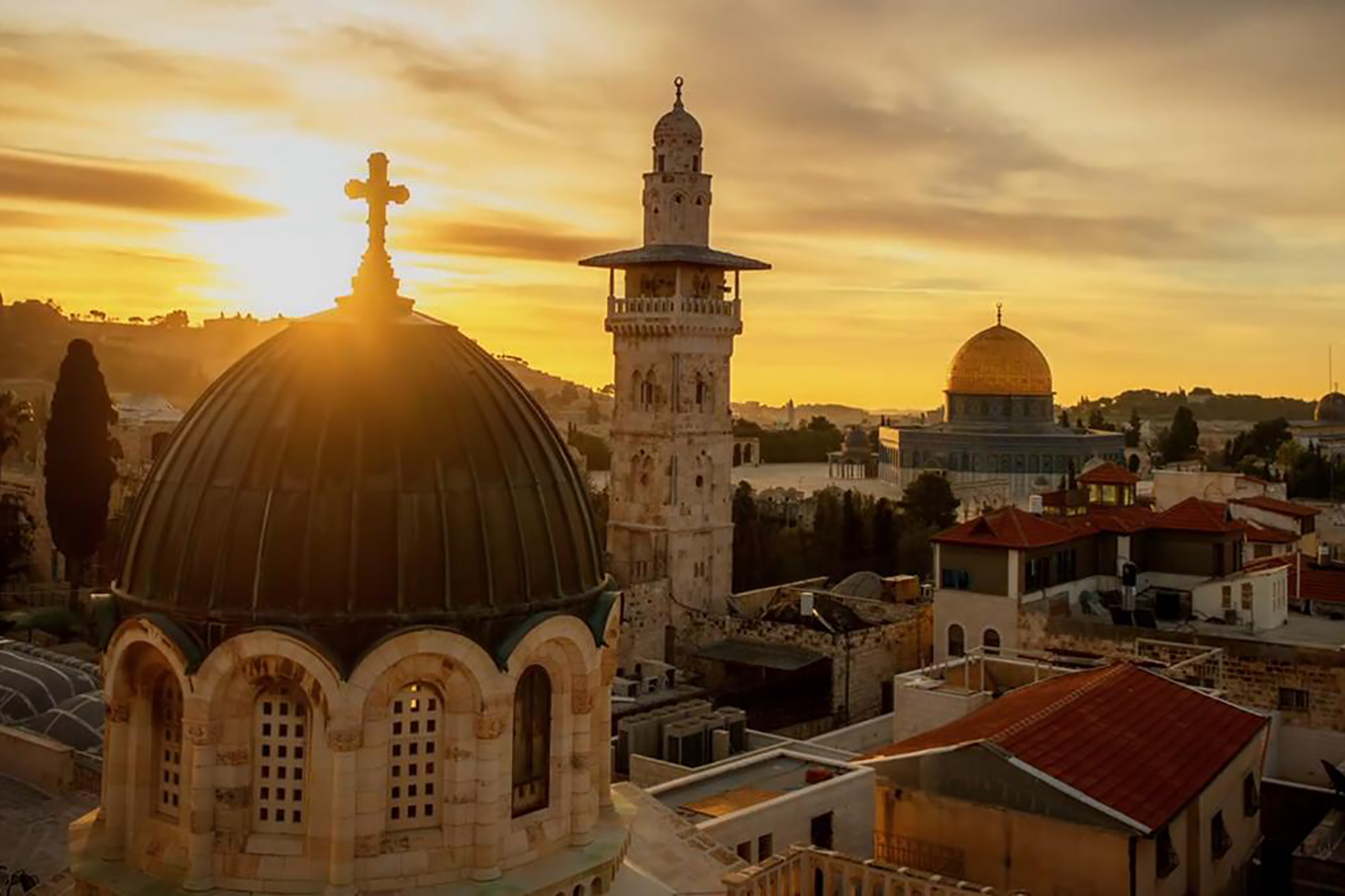
Holy Land Coordination in Jerusalem and Gaza “Understanding the social, political and ecclesial reality of the Holy Land to provide effective support to justice and peace; supporting the efforts of the local Church; helping the mission of the apostolic nuncio in the Fundamental Agreement”: these are the goals of the Holy Land Coordination (HLC), representing the bishops of North America, Canada, South Africa and EU for the Holy Land, due to convene in Jerusalem January 11-16 for the traditional meeting. The initiative, launched in 1998, takes place in January each year, on the mandate of the Holy See, organized by the Bishops’ Conference of England and Wales. The schedule of the meeting includes a two-day visit to the Gaza Strip, where the bishops will meet the small local Christian community and representatives of civil society, conferences with ambassadors and diplomats of the international community with seats in Tel Aviv, meetings with Bethlehem University students and with the Christians of the Beit Sahour village. On the agenda figure also visits to the Cremisan valley where the Israeli wall threatens the subsistence of over 50 Christian families and projects funded by Bishops’ Conferences through Catholic agencies. The meeting with the assembly of Catholic ordinaries of the Holy Land and with the Latin Patriarch of Jerusalem Fouad Twal, scheduled for January 15, is greatly anticipated. COMECE: “the bishops encourage Europeans to go to the polls” “The forecast for 2014 contains few surprises”, wrote Fr Patrick Daly, general secretary of the Commission of the Bishops’ Conferences of the European Community (COMECE), in January’s editorial of EuropeInfos, monthly of COMECE and of the European Jesuits’ Office. While commentators “evoke the twin specters of a low turnout and Europhobes in the ascendency”, for the upcoming elections of the EU Parliament “bishops in Europe see it as their priority to encourage citizens to vote”. The bishops are “concerned that the choice be an informed one and ought to reflect a vision of Europe and our common future”, Daly said. For this reason EuropeInfos intends to “to brief its readership on the issues which are central to the European debate and reflect on them in the light of Catholic social doctrine”. Comece is committed to promoting a debate at ecclesial level on a set of issues of continental interest. Moreover, a set of public monthly meetings are underway, which on January 7 addressed at the Chapel for Europe in Brussels, the theme of the family in the 21st century. A statement by the bishops of EU countries is expected regarding the May elections. The latest issue of the magazine also addresses topical issues regarding the European Community such as “Ukraine postpones its engagement to the EU”. Antoine Arjakovsky,(Research Director at the Collège des Bernardins in Paris), analyses the relationship between the weakness of Ukrainian president Yanukovich, President Putin’s plan to launch the Eurasian Union in 2015 (“the resurgence of the former Soviet Union, this time based not on socialism but on “sovereign democracy”), along with the possibility of the IMF and the World Bank to refuse the grant of new loans or further Ukraine’s gas imports. The items tackled in January’s issue of EuropeInfos include an analysis on the Climate Change summit (Cop19) in Warsaw. José Louis Bazàn (COMECE) delves into the situation of freedom of movement in Europe, a theme addressed also by Marek Miák (COMECE) who explains why despite the EU’s current budgetary difficulties, the European Parliament and the Council have decided to reform the EU mobility programme “that will increase its budget for the next seven years by 40% as well as extending its scope”, a measure to “curb youth unemployment”. Bulgaria: 2014 devoted to the family The Bulgarian Bishops’ Conference has decided to devote 2014 to the family, following Pope Francis’ desire to hold a special Synod on this issue. “The family is under various forms of attack, today more than ever, with the attempt to reduce it to a form of coexistence”, wrote the president of Bulgarian bishops Msgr. Hristo Proykov in a message released for the occasion. Recalling the Divine plan and the features of the vocation of the spouses and parents, the bishop underlined that “children do not need material goods, nor position or power. They need tenets that will guide them through life and values for eternity”. “In fact – continues the president of the Bishops – with their innocence children are the first teachers in the household, bearers of living messages for the years to come”. “The big question for every family”, said the prelate, “is which message for the future we are preparing for children’s education”. Msgr. Proykov concluded by stating that “the challenges faced by families today are marked by complex features which the Church must address with pertinent answers”. The prelate exhorted the faithful to pray for Pope Francis and for the bishops so that “the Lord may support them in this great responsibility”.
