BULGARIA
Less children, more immigrants: population decrease. The initiative of a parish church

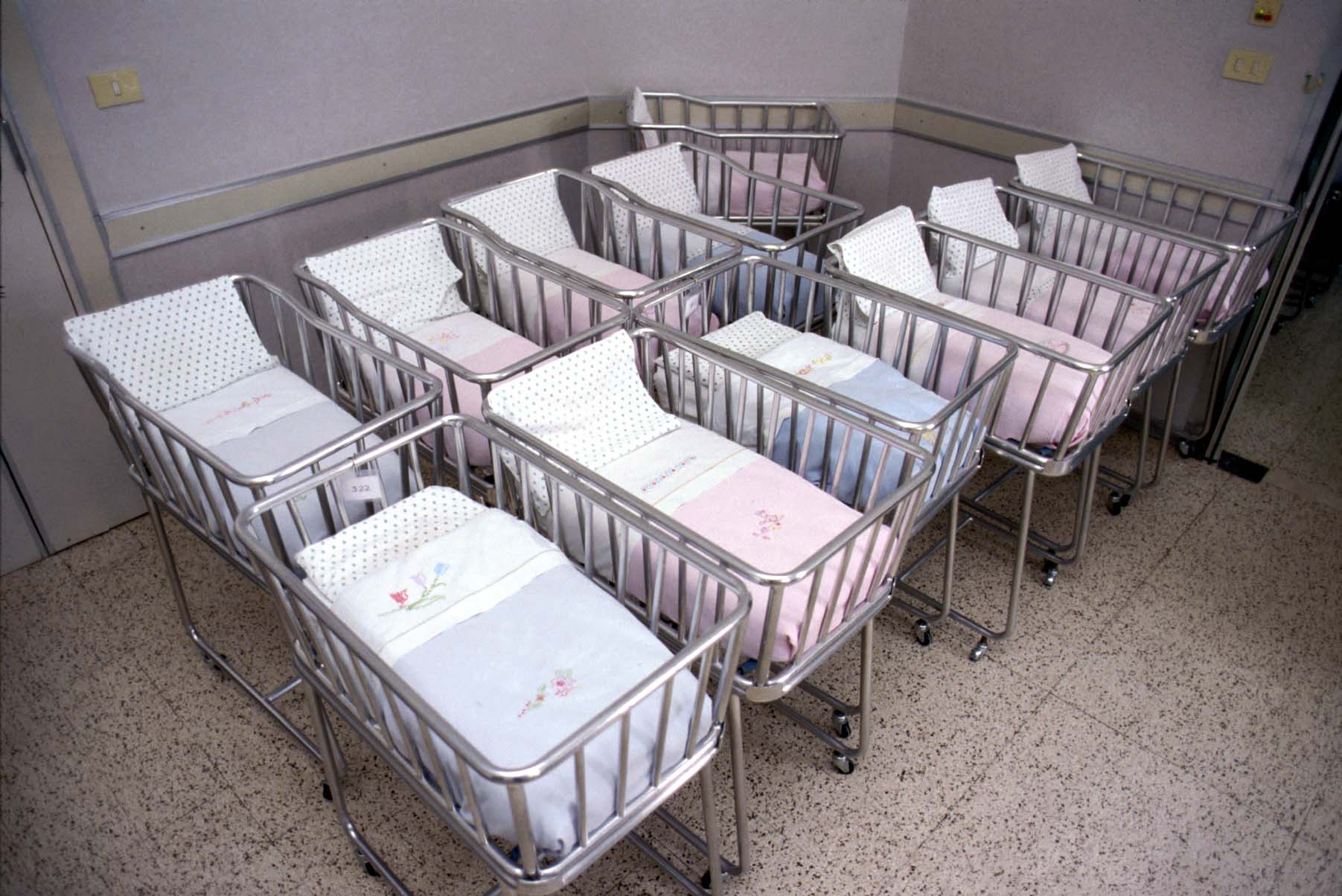
The number of Bulgarian citizens is decreasing. Fewer children are being born, young people leave the country or move to the city; thereby depopulating small towns and hamlets. Worrying trends emerge from a report presented by the Centre for demographic policies. Such trends lay the grounds for future inequalities and call into question the economic system as a whole. Conversely, minority groups such as the Roma, whose large families represent 10% of Bulgarian society, are growing in numbers. Demographic decrease. In ten years Bulgarian population decreased by 600 thousand people. In 2001 the inhabitants of the Balkan city amounted to almost eight million, while according to the 2011 census they were no more than 7. 364thousand. “This trend continued in 2013, when Bulgarian people fell under the 7 million threshold”, Petar Ivanov, from the Demographic Policy Centre told SIR. The factors that contributed to this situation are “numerous and various”, according to the scholars: demographic, economic, social and cultural factors alike. The primary factor is undoubtedly the drop in birth rates. “While before the fall of communism in Bulgaria 120 thousand children were born each year, in 2013 figures dropped to 61 thousand”. Since 2009, that registered a peak of 81 thousand newborn, the trend has continued being negative, with a 13% drop each year. “Mortality rates are high compared to other European countries – Ivanov said: – for 2013 as many as 15 deaths per thousand inhabitants, amounting to 120thousand deaths”. Thus the natural ratio re births and deaths is negative: under 5.5 per thousand newborn babies. Emigration and urbanism. Another relevant factor in the picture is emigration. Since the fall of communism, 700 thousand Bulgarians moved to places beyond national borders. “Young people, in fertile age, often with a university degree. It’s a situation without a way out”, Ivanov said. The phenomenon is worsened by internal migration towards ten large cities, mostly to the capital. From 2001 to 2013, 400thousand people moved to major urban centres. “We are witnessing the depopulation of entire districts”, said father Paolo Cortesi, parish priest from Belene, a town with 8500 inhabitants. “Each year a school shuts down. And while it is less evident in large cities, here the lack of young people and children is visible”. In his opinion, “people leave their home countries because of a want of organized work, and also for cultural reasons. In the past having a child was an enrichment, now it’s perceived like a burden on the domestic budget. The culture of consumerism has a negative impact on birth rates”. In addition, couples decide to have a child at a later age. “Many young people postpone their decision until they have a good job and a house. Thus they decided to have a child at the age of 30-35, often their only child”, Cortesi said. Repercussions on society. These social dynamics, taking place throughout Europe, in Bulgaria become dangerous and could have a negative effect on the economy and society. Professor Ivanov also emphasizes the “inequalities that are developing within society, especially for the Roma who have at least three children”. “A large part of the population depends on social allowances and their integration into society is still at the beginning”, the expert said. He added: “Two and a half million employed Bulgarians contribute for two an a half million pensioners, one and a half million minors and to the Roma who are not employed”. Father Cortesi for this reason is convinced that “a new economic policy is needed at general and most of all at local level, that brings work to towns, small and medium enterprises and farms”. “The policy of concentrating all investments in large cities and dividing the market between the large companies – the priest said – is fatal for small centres and for large cities like Sofia, which is in a dire situation”. Belene: a positive signal. Called into question by these challenges, which also involve the parish community, the pastoral council of Belene has decided to open a small activity. “We turned a restaurant shut down a few years ago into a bar-pizzeria, giving work to 12 young people”, Father Cortesi. “In February we will celebrate the first year of our business and we’re very happy since these young people stayed here and haven’t left the country. We want to do something also in the agricultural sector and maybe even open up a bakery”. Fr Cortesi hopes that local and national authorities will devote “equal attention to the development of small towns, so that these regions may return to thrive”.
