CHURCHES IN BRIEF" "

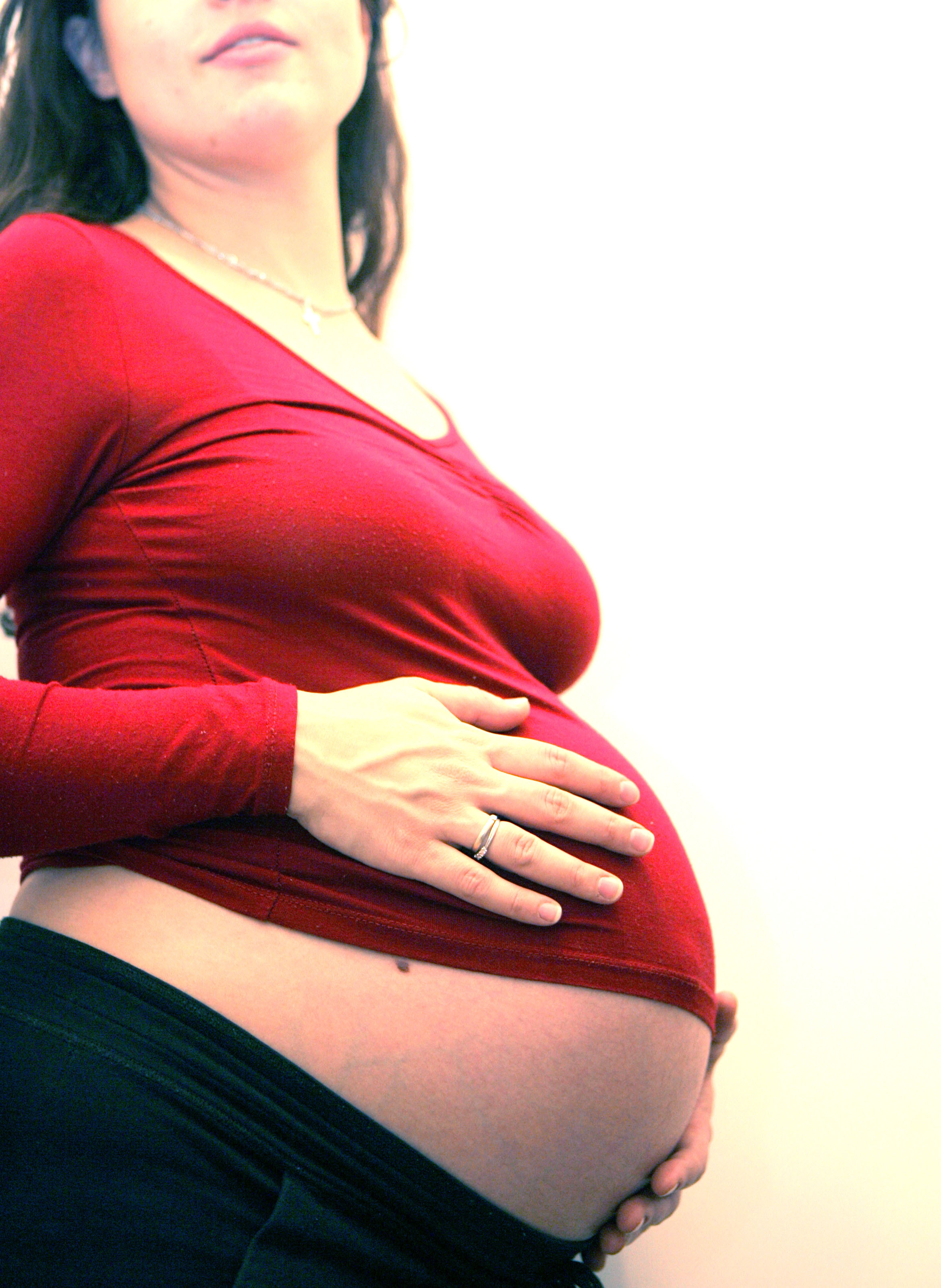
Spain: commitment for the protection of the newborn Spain continues being on the forefront of pro-life commitment. A few days ago the “Derecho a Vivir” (Right to Live, DAV) platform presented a report with seven proposals to improve the draft bill for the protection of the right to life of the conceived and the rights of pregnant women. The initiative takes place in the framework of the consultations on the government’s draft bill. DAV’s proposals, said spokesperson Gádor Joya, are aimed at ensuring that the “promise implicit in the title of the new law may take place, to ensure the right to life of the conceived child and for the protection of pregnant women”. DAV also requested that the draft bill repeal “the risk for the mental health of the mother” as one of the motivations for legal abortion. Moreover, it’s crucial that the diagnosis may be listed among the psychiatric disorders accepted by the academies of Psychiatry, to prevent private centres from releasing pro-abortion diagnosis for mere profit. “Derecho a Vivir” calls for the removal of eugenetic abortion as a possible motivation. It equally demands that abortion cease being funded with taxpayers’ money and that it be offered as a service guaranteed by national health. DAV equally proposes the improvement in the protocol on informed consensus of women prior to abortion, so as to include objective, scientific information on abortion and its consequences on women’s health. In the meantime, 89 associations worldwide, on the invitation of the Spanish association “Profesionales por la Ética”, wrote an open letter to Prime Minister Rajoy, asking him not to give in to the pressure of pro-abortion lobbies and to continue working on the reform “that is so important for the future of Spain and Europe” for the true defence of the newborn. As clarified by Leonor Tamayo, director of the International Area of “Profesionales por la Ética”, “in one week time civil organizations” of numerous countries “appealed to Rajoy because the rest of the world looks up to our Country in the hope that it may be a decisive step in the protection of the unborn child and pregnant women”. Migrations to Slovakia: “without barriers” project “Without barriers” is the title of a project initiated by Caritas Slovakia, aiming to draw attention of citizens to the issue of migration and integration of immigrants into the society. A special emphasis is put on education of students of basic and secondary schools where specially trained lecturers explain the problem of xenophobia and intolerance and present the ways of their elimination. “Our experiences show that students and pupils are afraid of islam and muslims, showing a great deal of intolerance towards them. Therefore, Caritas wants to contribute to elimination of prejudices in this area”, explains Radovan Gumulák, general secretary of Caritas. “We have prepared a documentary on life of a muslim family Sugaipov in Slovakia and we present it along with all the necessary information about the issue of migration”, adds Jozef Káko, project coordinator. So far, 8 basic schools and 1 secondary school have been involved. “We’ve had a chance to talk to around 600 students and we can see that they are really interested in this project. In cooperation with the Ministry of Foreign Affairs we also prepare an instruction book for teachers on how to handle the topic and present it to young people”, says Jozef Káko. According to muslim immigrant Chasan Sugaipov, all the respect needs to start in the family: “Mum and dad are the first ones who should teach their children that the all people on Earth are the same and should understand a value of human dignity”. For more information: www.charita.sk. Portugal: in support of the homeless The Holy Home of Mercy in Lisbon presented to the press a survey that shows that in the city there are as many as 852 homeless, 343 of whom seek shelter in reception centres during the night. Most of them are male of Portuguese nationality, aged 35-54, unmarried and with a high school diploma. Commenting on the complex situation, the president of the Life and Peace Community Henrique Joaquim, underlined the difficulties of public institutions in tackling the problem and highlighted the need for “concerted social reintegration policies”, for example through the creation of “a network of public and private support centres”. The survey also shows that even families and individuals who live in homes are experiencing severe situations of indigence: “Such cases account for 30% of those whom we help every night. Many of them only need a meal, but others refuse contacts with us because they’re ashamed”. According to the Committee representative, responsibilities cannot solely fall on the shoulders of private associations. In fact, the very existence of institutions with many years of experience in this field can lead to the development of an overall strategy: “The solution to the problem of the homeless requires a common design, an objective that will involve all social players, including institutional justice and health bodies”, said Henrique Joaquim.
