SLOVAKIA
Katarína Hulmanová, new President of Forum of Christian Institutions Forum

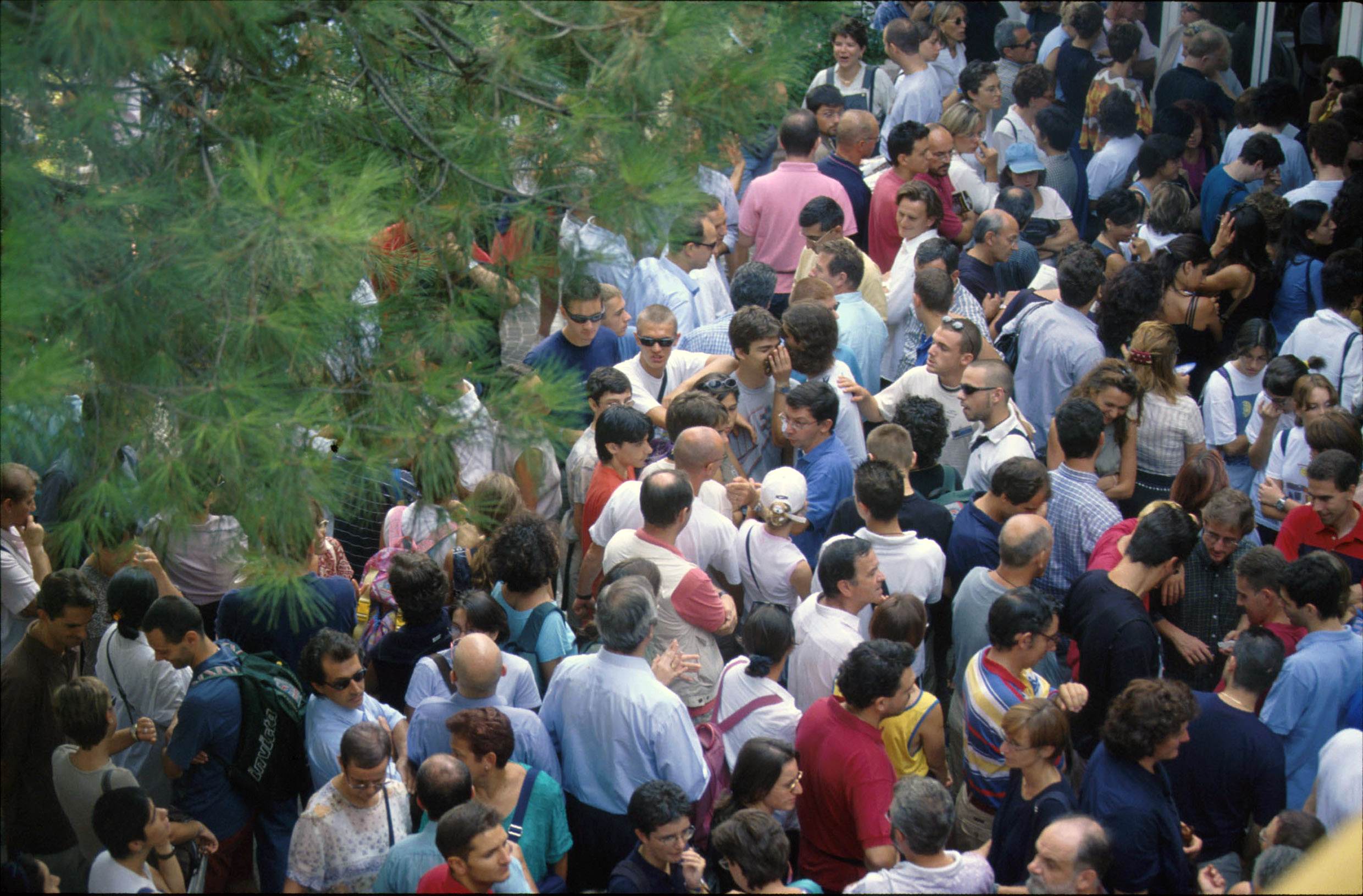
The Forum of Christian Institution (FCI) in Slovakia unites 40 member organisations and is seen as a leading platform of the Christian laity in the country, with ambition not only to contribute to development of the Church but to “infiltrate” the Christian values in all areas of the civil society. Danka Jacecková fot SIR Europe has interviewed its newly elected president Katarína Hulmanová, member of the Pontifical Council for the Laity, about the principal contemporary challenges the Forum needs to face.How do you see current development and direction of the lay movements in Slovakia and their cooperation with the official Church structures? “The lay movements and associations carry out a bountiful work. They create communities, participate at intensive and concrete personal formation and motivate people to solidarity. Most of them are not just movements, they are basically a lifestyle, which is wonderful. What deserves an improvement is the relation between the parishes and the lay communities. It would be helpful if the parishes were something like a cradle for these communities and if the communities lived their charisma in full disponibility to parishes. Sometimes it looks like a parallel structure in Slovakia, not a joint project, so I guess this sphere needs a little bit of work”.In the past days you were elected a president of the Forum of Christian Institutions. Can you offer a brief insight into its work and activities? “I read with pleasure the words of the Holy Father Francis in his apostolic exhortation Evangelii Gaudium. He extraordinarily well describes what we feel as an urgent need – to be present in the society, living our faith in fullness as a personal relationship with Jesus, and to take over responsibility. The model of unification of laity in Slovakia seems suitable and effective for the post-communist countries. There is a Council for lay and apostolic movements working within the Bishops’conference and along with it, the Forum of Christian Institutions has been carrying out its mission since 2004. It’s a platform of cooperation for many Christians who engage in their communities in the Church but at the same time take over the roles in the civil society, economy, culture, art, social service, politics. Our Forum is seen as a body representing Christian laity both in the Church and in the society. Members of this organisations offer impulses for the Church, support pastoral activities and creation of the community of God’s people, and at the same time they offer inspiration for development of politics, massmedia, science, education… It’s a journey of mutual understanding and listening to each other, a path of dialogue and synergy”.Speaking about synergy… apart from presidency of the FCI you are a member of the Pontifical Council for the Laity, having an experience with global laity issues. Try to compare the situation in Slovakia and other European countries.”We are a young democracy. Challenges and opportunities we are facing are really extraordinary and exciting. Many things are still in process, which offers space for involvement, creativity, spontaneity and openness towards the Holy Spirit. Our friends from foreign well-established organisations sometimes don’t understand how we can work this way and I need to say that our international meetings on European level bring a huge enrichment for both sides. Another thing is that we are a small country where people perhaps too easily and quickly get to positions of responsibility that are not immaginable in bigger countries and we definitely need to take it into account. I personally grew up in the environment of women’s Catholic organisations and I am gratefull for all the patience, kindness and friendship that I experienced there”.How could you describe the main challenges for Slovak laity in the forthcoming months and years, mainly in regard to the secular society?”After the fall of communism we were like “torn off the chain”. I’m afraid we fell into some sort of ‘immoderate activism’ and it would be worth to think about more intense formation withing smaller communities. We need to maintain a common sense, be positive, proactive and constructive face to face with secular society. It’s not enough to criticize the decisions of politicians, it’s necessary to come up with solutions and proposals in the spirit of social teaching of the Church. One of the most appealing challenges is to search for a consensus in regard to solution of poverty. The approach of authorities towards this matter changes too often in Slovakia, which results in people falling deeper into poverty and it starts to be a problem transmitted from generation to generation”.
