UE
The environmentally-sustainable sector is growing. The Commission’s proposal

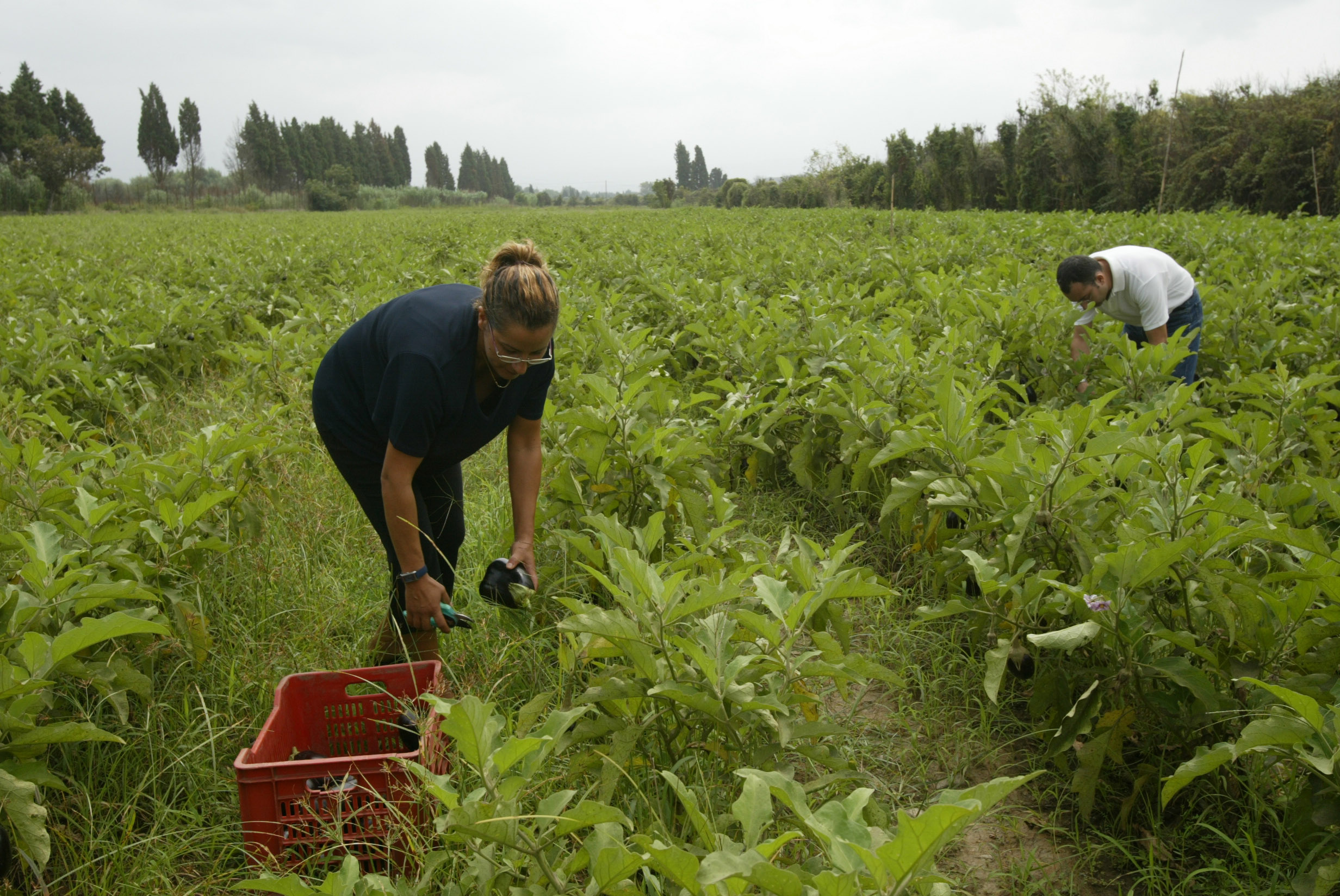
There are very reasons why the European Union has been long since committed in the defense and promotion of organic farming. It’s not just a more or less healthy trend. Rather, it’s a challenge that involves the protection of natural landscape and the “environmental sustainability”, consumer health, economic value of this sector, the response to the growing demands of foreign and EU markets. Indeed, there are multifarious problems: the standards to define “organic” products are yet undefined, and they vary at national level, with greater differences between the EU and the rest of the world. Needless deny that the retail cost of organic products retail is higher than non-organic food. Not to mention other risks, including GMOs, chemical fertilizers and feed, contaminated land and ecosystems … Yet behind the EU logo on organic products (12 stars forming a stylized leaf on green background) there is a growing sector.Quality and integrity of produce. On March 25 the European Commission shared a proposal for a new regulation on organic production and labellings. The objectives are clear – to support the quality and “reliability” of products from organic farming; to support companies in the sector of organic farming, by opening to foreign markets; favouring the passage to organic production. The regulation, which will be submitted for approval to the Council and to the European Parliament, (in the new legislature) outlines the goals and contents of the proposal. To this regard, EU Commissioner for agriculture Dacian Ciolos, pointed out: “The future of the organic sector in the EU depends on the quality and integrity of the products sold under the European organic logo”. The Commission “is looking for more and better organic farming in the EU by consolidating consumer confidence in organic products and removing obstacles to the development of organic agriculture”. For Ciolos, this package is good for consumers and good for farmers. In fact, the Commission has also approved an Action Plan, with dedicated funding. Regulations and investments. The proposal reposes on four pillars illustrated by Ciolos: “Strengthening the rules throughout the supply chain, i.e. production, processing and distribution”; simplifying legislation (“more rules, less derogations”); reinforcing controls; ensuring the quality of organic products for imports and promoting extra-EU exports. “The aim is that organic farming remains close to its principles and objectives, so that public demands in terms of environment and quality are met”, reiterated the Romanian Commissioner, with a twenty-year long experience in the field. The attention to this production sector lies within the framework of the major reform of the Common Agricultural Policy under way, which is not without obstacles especially at this stage. To meet the needs of organic farmers and retailers the Plan “foresees to better inform farmers on rural development and EU farm policy initiatives encouraging organic farming, to strengthen links between EU research and innovation projects and organic production and to encourage the use of organic food, e.g. in school”.A growing sector. An aspect that should not be neglected are the dimensions of this sector. Let it suffice to say that there are over 220 thousand small and medium farms, with a turnover of over 20 bln per year. Organic holdings covered 5.6 mln hectares in 2002, which doubled in a decade’s time, today amounting to more than 10 million hectars, 6% of cultivated land in EU 28. The largest areas cultivated with such crops are to be found in (approx. 2 million hectares), followed by Italy, France, the U.K. but when organic farming is compared to the national farmland, the ranking changes and is led by Austria (20%), followed by Sweden, Estonia, the Czech Republic, Latvia. The most common crops are olive groves (31% of the total), grapes (17%), nuts (15%), but also citrus fruits, cereals, vegetables. The animals reared in accordance with the “sustainability” standards are nearly 3 million, including cattle, pigs, poultry. There are also social aspects of organic farming: it turns out, for example, that the average age of farmers in this sector is lower than that of the primary sector, while women account for a quarter of executives in companies with organic label.
