EDITORIAL
The tug of war with Russia highlights the need for common foreign policy

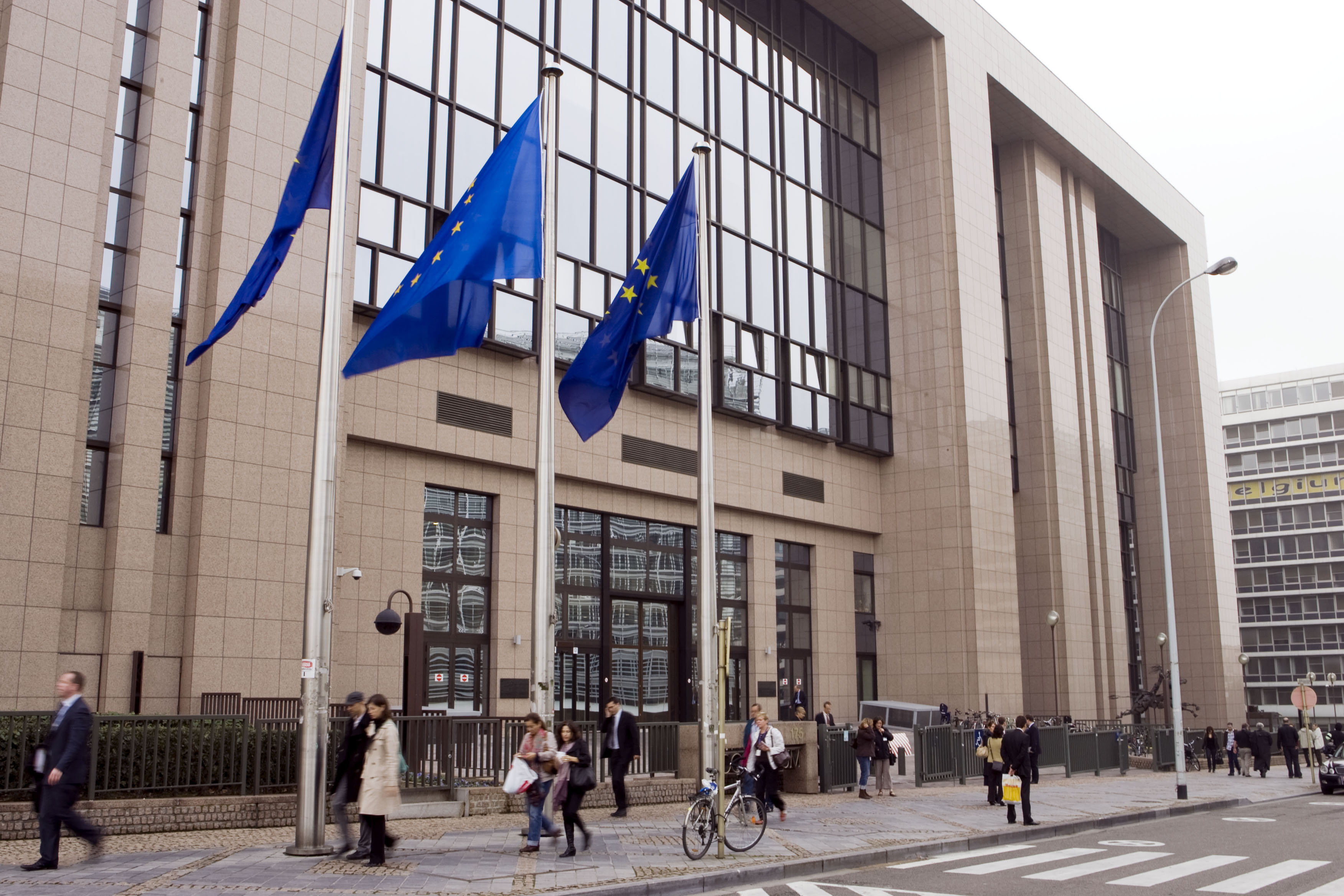
The unity of Europe grows through its crises. The creation of the European Coal and Steel Community in the early 1950s, that gave the kick off to the policy of integration, was a response to critical developments in the international scenario (the Korea war), along with the scourge of communism internally and externally. Europeans understood that if they didn’t want to succumb they had to organize united action. The yet unsolved crisis, threatening monetary union and the very survival of the European home – which has evolved throughout the years through various attempts aimed at the stabilization of the euro system – has led to a significant advancement of political, financial and economic integration inside the EU. National budgets supervision by the Commission, implemented via a stronger Stability and Growth Pact, the adoption of the Fiscal Compact, and finally, the establishment of banking union, gradually led to greater responsibilities at EU level. Moreover, member States’ sovereignty is bound to be increasingly concentrated on a European plane. The aggressive politics of Russian authorities against Ukraine raises a new, dangerous challenge for the EU, its institutions and member States. Vladimir Putin, whose annexation of Crimea marked a preliminary success, feels supported and encouraged in his actions. Ukrainians’ concerns are not ungrounded as relates to the possibility that also other areas in the country, where Russian-speaking population is a strong minority – if not a majority – could be equally annexed to the Federation with nationalistic propaganda and through the provocation of its armed forces. Also in other EU member countries, notably Estonia, Latvia and Lithuania, see Russia’s approach as a danger. Thus the threat involves all European nations and peoples, moved by the yearning to live in peace and in democratic conditions. Is Europe doomed to impotence before Russia’s politics and its ongoing violations of international law? Putin appears not be impressed by the sanctions announced by the EU if Russia should continue its aggression policy. But it’s the only feasible solution to ensure an open channel of dialogue aimed at diplomatic solutions. Western democratic countries rule out putting pressure through military intervention. The European Union is a “civil power”: this means that it doesn’t need to be prepared for military missions even if the need of self-defence should arise. Before the new threat, Member State’s leaders and the European Union as a whole have been united and determined, even though the conditions for a common foreign European policy are just at the beginning. It’s a yet fragile unity, as it depends on political situations at national level and on the mood of the various member States. There is a lack of institutional stability. Foreign security policy and European security is to be hoped for in the interest of credibility and sustainability, and given the recent developments it is to be expected that existing positive approaches may be developed systematically and included in the constitutional legislation of the European Union. The first step in this direction is a rapid development of the diplomatic service of the EU introduced with the Treaty of Lisbon (in force since the end of 2009); it should avail itself of appropriate staff and tools thereby putting to advantage member States’ achievements and experience, while advancing proposals for a coherent common policy that may be viewed by the European Council as the foundation for its decisions. Moreover, foreign and security policy should be exempted from the rule of unanimous consensus among national Governments; decisions should be adopted with majority vote on the basis of a proposal drawn up under the authority of the High Representative for Foreign Affairs and Security Policy of the EU, in the higher interest of the European Union. Only the proposals of a European body lead to decisions that all stakeholders can identify with, as shown in the adoption of legislation at European level successfully carried out over the past years, whereby the Commission exerts its right of proposal. Such right of proposal on matters pertaining to foreign policy is the competence of the High Representative (at the moment Catherine Ashton) who is also the Vice President of the European Commission and chairs the Foreign Ministers Council. Surveys show that the majority of European citizens (63% according to Eurobarometer) are in favour of a common European policy of EU 28. The consensus, in case of an escalation of the Crimea crisis is bound to increase. Governments should thus create a solid institutional ground to proceed in this direction.
