EU-AFRICA SUMMIT
The Summit’s vague conclusions. The prospect of a major role for Churches

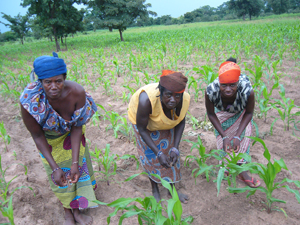
Specific commitments on security and European funding to Africa; a separate declaration on migration; unsolved standstill on trade: the fourth EU-Africa summit held in Brussels April 2-3, on the theme “Investing in People, Prosperity and Peace” ended with ambivalent outcomes. The President of the European Council Herman van Rompuy highlighted the figures and the guidelines of Europe’s renewed commitment for Africa: 750 million to the African Peace Facility (the fund for security in the continent), 3 billion (in a 7-year-period) to agriculture, 1 billion to pan-African integration, 350 million will be allocated in grants for African students and researchers. On the whole, the EU plans to allocate 28 bln for Africa until 2020 (excluding state funds for bilateral cooperation) and mobilize 30 bln thanks to the private sector. Unaltered relations. The president of the African Union Commission (AU), Nkosazana Dlamini-Zuma, invited the two continents to make the most of the “advantages” brought by the closeness of the two continents and the “complementariness” of their societies and economies. However, for Sister Begoña Iñarra, missionary of Our Lady of Africa, executive secretary of AEFJN, (Euro-African network for faith and justice) in Brussels, Europe-Africa relations “are still those of a donor and its recipient. In fact, despite talk of ‘partnership’, Europe sets the conditions”. “The EU’s dialogue with African governments is important”, underlined the General Secretary of CISDE, an umbrella organization that brings together 17 Catholic development organizations. “However – continued Sister Iñarra,- the fact is that heads of State speak with each other but avoid facing important issues. Among the governments in dialogue, some largely ignore the requests and the needs of the African and European populations”. Trade standstill. On the eve of the meeting, the Symposium of the Bishops’ Conferences of Africa and Madagascar (Secam) had asked European institutions “to continue policy reforms in the framework of corporate transparency, tax cooperation, management of natural resources, global governance and trade”. But the last item triggered a standstill. Economic Partnership Agreements (EPA) that Europe proposes to Africa under the banner of free trade, have remained a hanging issue. While the EU views the agreement as a step in line with the creation of an inter-African free trade area (announced for 2017, which Europe will contribute to with 844 million euro in 7 years), Africa fears it might affect the development its own industry if such agreements were ratified. Europe’s disappointment over the lack of an agreement was expressed in clear terms by the president of the EU Commission José Manuel Barroso, for whom “more could have been done”. Migrations agreement. An agreement was reached – in principle at least – on the theme of migration, based on five points: combating trafficking in human beings, combating illegal immigration and improving the organization of legal migration, strengthening the tie between migration and development (with measures to facilitate the transfer of remittances in Africa), increasing international protection for refugees, displaced persons and asylum seekers. In this area, said Bernd Nilles, a change is necessary: “We need new policies and a new culture of welcome: it is unacceptable that we allow so many thousands of people, that we are responsible for, to die at the EU borders”. The Churches will play a fundamental role in transforming declarations of intent into facts in the three years to go before the next Summit announced for 2017, pointed out Sister Iñarra, who added: “The religious of all faiths should boost the self-awareness of African populations, so that they may claim their own rights”. Europe, too, said the missionary, can play a major role, “if it leaves freedom to Africa and if it ensures that local governments make the interests of African people”.
