SPAIN
The diocese funds 22 agricultural, social and educational projects in developing Countries

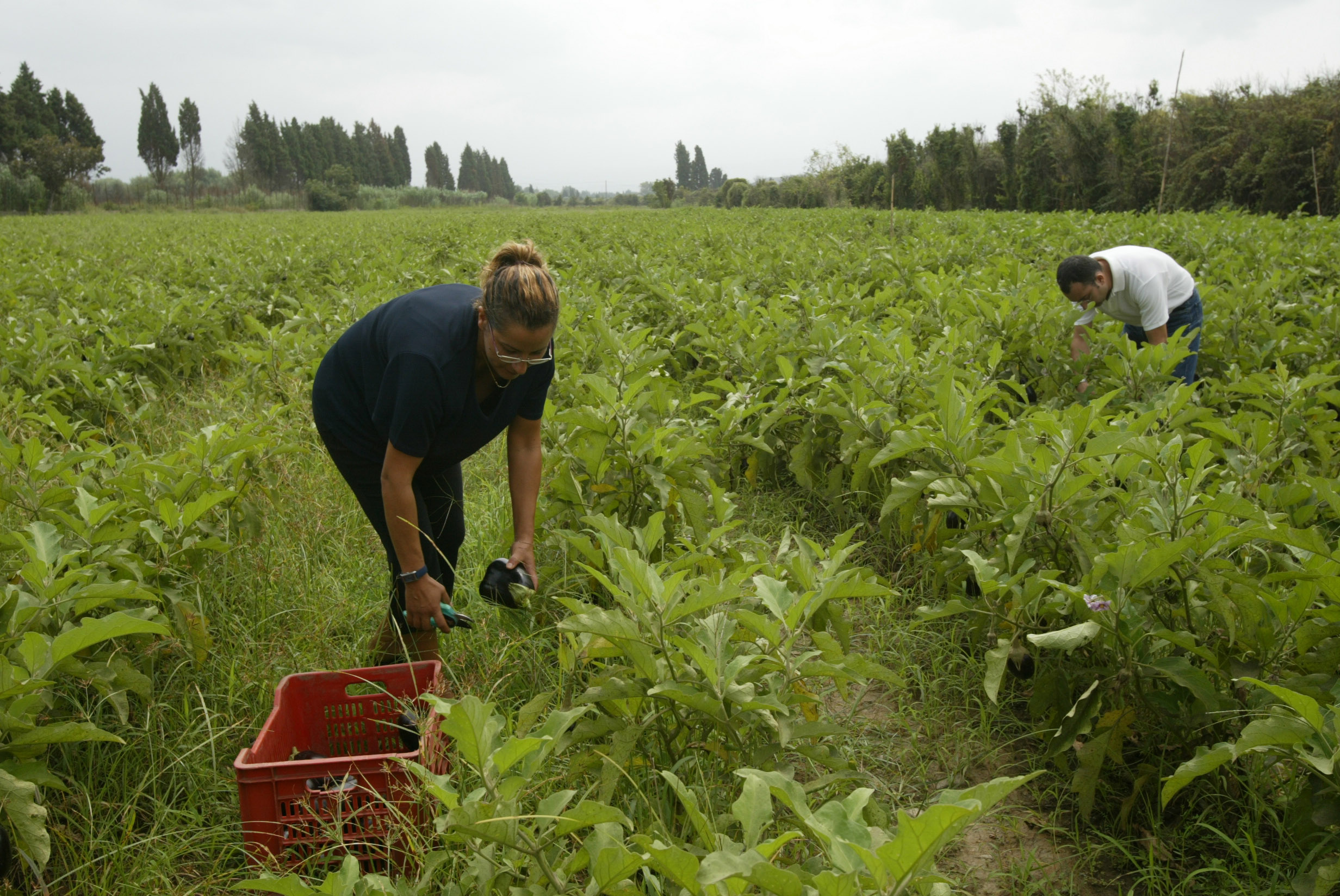
On the initiative of Manos Unidas diocesan delegation the archdiocese of Toledo will finance 22 projects to promote justice in Developing Countries, for a total sum of 900 thousand euros. The diocesan bodies will support a corresponding project. Twenty projects have already been assigned except for two in India, involving an initiative for the promotion of agriculture that will benefit women and vulnerable children in Tamil Nadu along with a program for female victims of abuse in Andrha Predes. Africa, Asia, Latin America are the countries recipients of the intervention of the Church of Toledo. They will enjoy the support of the vicariate and the schools in the archdiocese, as well as of families, priests, councils, banks and other organizations. The areas involved range from rural development to projects for women and children. The purpose of the projects is to provide help to the most vulnerable in a spirit of solidarity. In the African continent. Several projects will be implemented in Africa. The first will provide Burekeye, in Burundi (Central Africa), with a stable and dairy cattle for their farming and animal husbandry school. Another project will supply Amakuriat, a Kenyan village of approximately 40 thousand people, with 10 water tanks and gutters for rainwater collection. Purchase and installation of two greenhouses in a reception centre is the goal of a social project in Kahawa, a suburb of Nairobi (Kenya). Educational action will be implemented by supplying facilities for a vocational training centre in the town of Homa Bay, in western Kenya. The project includes health-related initiatives such as a maternity ward in the city of Séhoué, 90 kilometers north of the capital of the Republic of Benin, along with a dispensary in Yalgo, in the North-East of Burkina Faso and a health development project in a rural area of Kikuku Nord-Kivu in the Democratic Republic of Congo. It is also important to “teach people to stand on their own two feet”. In the region of Itasy, northwest of Antananarivo, capital of Madagascar, a team of experts will impart agricultural training courses. A playground for the kindergarten along with school equipment form part of the education project in Ihanzutwua, a rural village in the mountains of southern Tanzania. In Latin America. Four projects will be implemented in Latin America. Food safety through social-economic initiatives is the purpose of a project in Saint Pedro Sula in Honduras, where drug trafficking make it a dangerous place to live in. Prevention and protection of the rights of women victims of violence: it is the purpose of a project in the city of Sucre, in Bolivia. Full support will be given to a small agricultural cooperative of beekeepers in the city of Olopa, in the department of Chiquimula in Guatemala. Another initiative involves promoting “food sovereignty”, community organization and health, with the active participation of women in six “Q’eqchis” indigenous communities in the city of Raxruhá-Alta Verapaz in Guatemala. Initiatives in Asia. India is the recipient of aid from Asia. A boarding school for children is the focus of an educational project for Jaisinagar, in the district of Sagar, State of Madhya Pradesh in central India. An agricultural project for Ballarshan, in the district of Chandrapur, State of Maharashtra, on the western coast of India, envisages the recovery of rainwater for irrigation of crops. Children are at the centre with the building of an orphanage for girls, due to serve 20 small rural villages in the area of Gundiupet, a city in the State of Karnataka on the western coast of the Country. A health project in Orissa, in North-Eastern India, includes the implementation of an AIDS and malaria prevention program in San Nuagaon, in the district of Sundargarh. More youth training programs will be carried out in three colonies of deprived neighbourhoods on the outskirts of the capital of the Indian state of Haryana. A highlight of the initiative is the construction of a community centre and the supply of ten sewing machines in Kochas, one of the 19 “blocks” of Buxar, a city of the State of Bihar in central India, on the banks of the river Ganges. Finally, medical equipment for hospitals will be supplied in Chandrapur, in the Maharashtra State on the west coast of the “Indian continent”.
