CHURCHES IN BRIEF

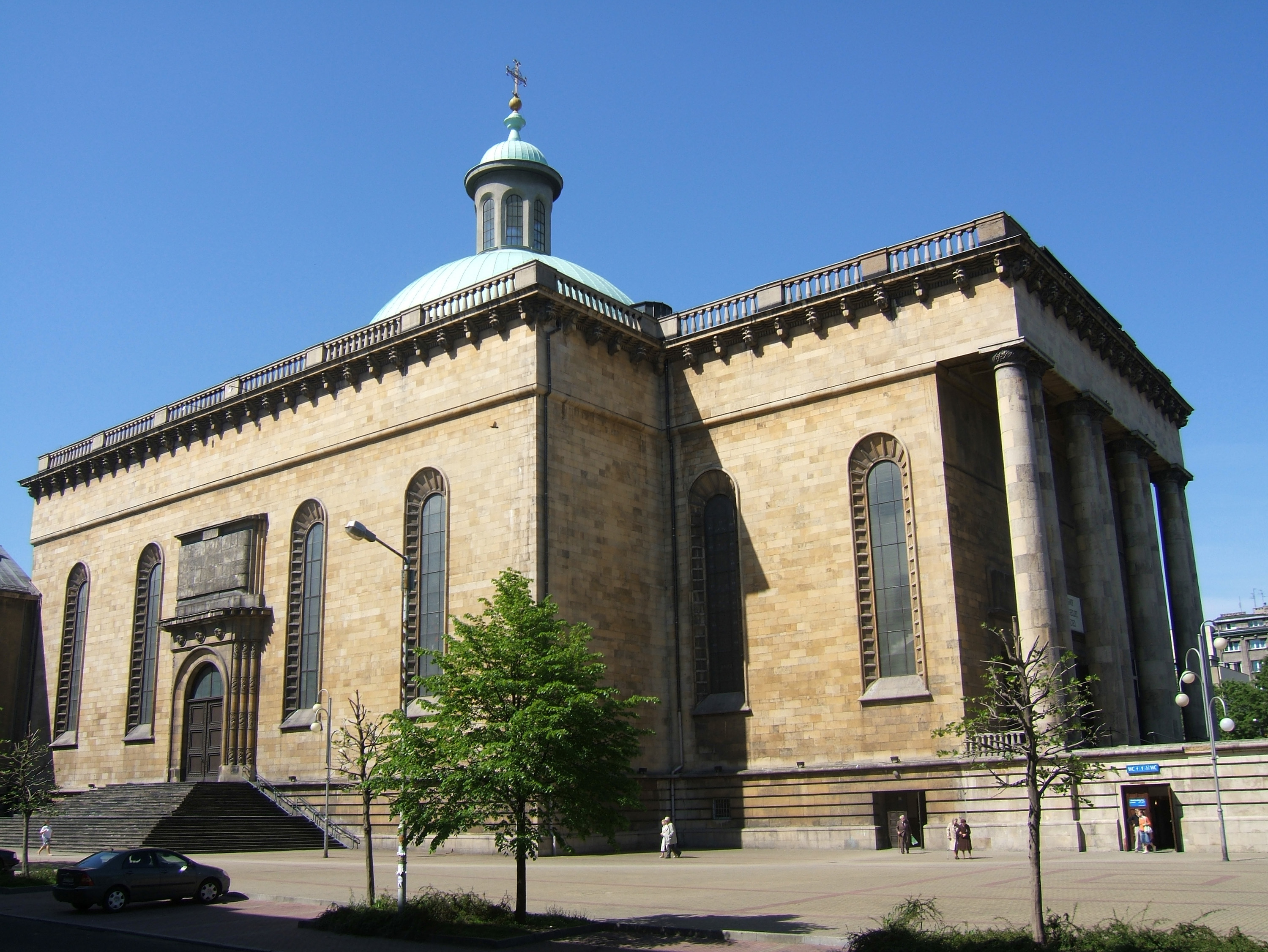
Poland, religions and sacred architecture in Krakow “The progress of the civilizations of dialogue appears to be one of the most urgent needs of the modern world”, said Agata Szuta, Head of “John Paul II” intercultural dialogue Institute in Krakow, the promoter of an initiative (ongoing until June 18) aimed at “strengthening mutual understanding of men and women from different cultures”. The purpose of the project titled “the faces of dialogue” is to enhance those elements shared by different religions and cultures. This year is dedicated to the sacred architecture of religions throughout the centuries. “Architecture is a durable token testifying to the multicultural feature of religions, mutual influences and exchanges both in artistic details and styles”, remarked Barbara Munk, who co-authored the project. The interpretation of the various religious symbols in architecture will be the object of a meeting to be held in Krakow June 16 in the framework of the Conference “Christianity-Judaism-Islam: dialogue in the Magisterium of John Paul II”, held during the panel titled “Synagogue-Cathedral-Mosque”. On the occasion of the conference in Krakow will be inaugurated an exhibition dedicated to Assisi, “Hope in the world”, to the contemporary sacred architecture of Nowa Huta and to a photo exhibit on sacred architecture in Europe and in the Middle East. The project envisages a concert of traditional Jewish music and workshops for children aimed at prompting their curiosity for materials and construction techniques of places of worship. Czech Republic: stories of conversion on TV Six young people, five religions and one entire year of their spiritual progress: each month the Czech National television features documentaries on people who experienced conversion. “A team of documentary filmmakers has closely followed the lives of the six people who have accepted to be observed by TV viewers and share the most touching moments of their lives”, said press officer Hana Orosová. The program was released at the end of May and will be ongoing until the end of June. “We are not seeking to delve into the essence of faith but rather share its concrete demonstration and its impact on individuals and on their lives”, said Josef Fiser, author of the script, who underlined the “force” of the stories of Petr, a pianist who decided to convert to Judaism, and Daniel, who became Catholic, showing that conversion “for every person is a different experience”. At times it is a decision based on a strong experience while other times it is a slow process that develops with time. According to the producer, Patrick Divis, the documentary “under certain aspects provides an overview on modern religious life in the Czech Republic”. Slovakia: research on priests and the Internet Over 85% of priests in Slovakia go online every day. More than half use the web to seek material such as the reflections of other priests or authors on given topics and events in the liturgical calendar, articles and interviews that can inspire their homilies. These are the findings of a survey conducted in March and April 2014 by Matús Demko at the Catholic University of Ruzomberok, released a few days ago. Approximately 16% of all diocesan priests (380), most of whom in the dioceses of Nitra and Spis took part in the survey that draws inspiration from the “imagine” project of the pontifical University of the Holy Cross in Rome. “At first glance participation rate appears low. However, it should be underlined that only 0.6% of the priests participated in a similar survey in Germany, and only 1.7% in Italy”, pointed out Matús Demko. Figures collected in Slovakia show that some 85% of respondents consider the Internet useful or very useful in providing spiritual support, especially as a first step. Many websites contain prayers along with the so-called “online prayers”. More than 20% of the priests log on www.breviar.sk. Almost 76% of respondents believe that “Technology facilitates the development of priestly formation”. Many priests are actively present on the Internet through blogs, personal profiles and websites or parish websites (56.5% of all respondents).
