FAITHS AND CULTURES
The annual CoE meeting in Baku on the religious dimension of intercultural dialogue

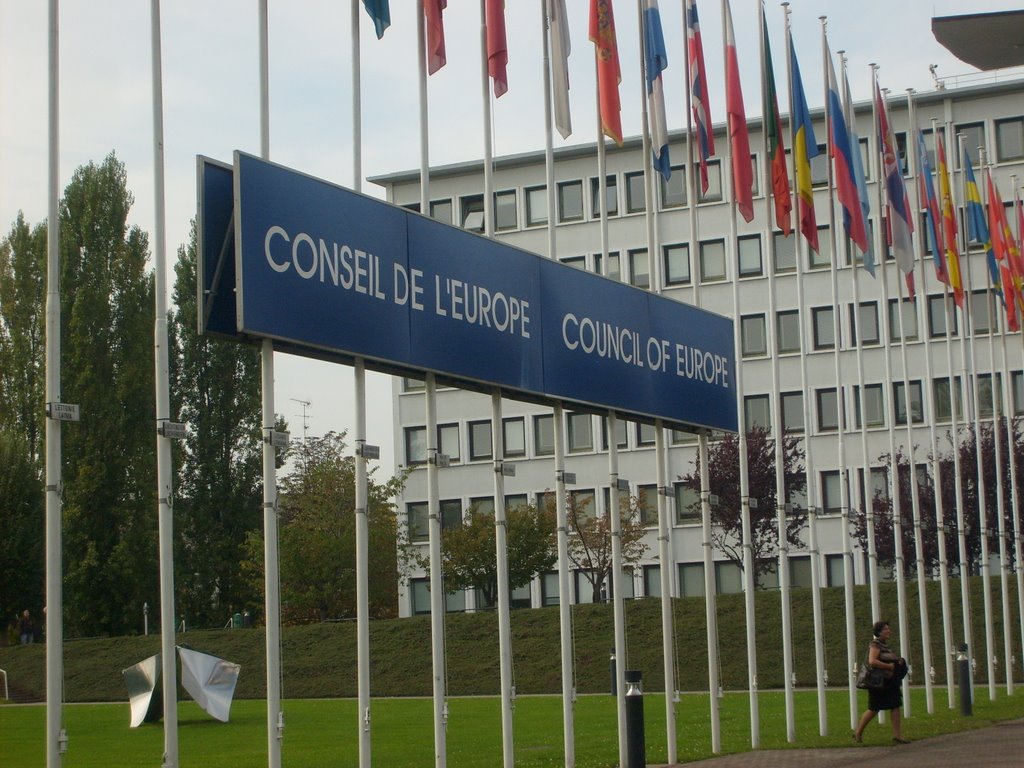
It is in the quest for “greater the facto solidarity that Europe will find the remedy to the malaise that is wearing it out”, said Fr Laurent Mazas, executive director of the “Court of Gentiles” – the Pontifical Council for Culture’s organism for dialogue between believers and non-believers – during the seventh annual meeting of the Council of Europe on the religious dimension of intercultural dialogue (Baku, September 1-2). This year’s theme is: “Intercultural dialogue: interaction between culture and religion” Fr Mazas participated in the event promoted in the framework of the six-month Azerbaijani Presidency of the CoE Committee of Ministers (May-November 2014), in his capacities as representative of the Holy See together with religious leaders – Muslims, Jews, Buddhists – and representatives of interreligious communities, philosophical and lay currents of thought, r of NGOs, Universities, and youth movements. On Azerbaijan’s six-month agenda figures the theme of the consolidation of cultural diversity in full respect of religious beliefs. Cultures, religions and European identity. “I am convinced that we have the political and moral obligation o look at the very basic foundations of the human ability to deal with other world views, other cultures, other religious convictions, other political opinions, other ethnic origins”, CoE Deputy Secretary General Gabriella Battaini-Dragoni said in her speech. She went on: “interaction between culture and religion under the aspect of intercultural dialogue” in fact touches upon “one of the most elementary levels of the conditio humana”, “it is here where we may find the keys to our ability to secure that Europe remains a region of peace and prosperity.” It is a continent that today is witnessing worrying forms of intolerance and discrimination against minority groups, marked by increasingly dangerous and pervasive nationalistic discourse, that “threaten democratic stability and the “deep security” of our continent. For Battaini Dragoni, “we cannot force society to become more tolerant. There are limits to what legal measures can achieve.” Moreover, “the parameters must be set, the ground must be prepared by smart, well-implemented laws defending the basic values that unite us, as the European Convention on Human Rights sets out to do.” But it is not enough. For the CoE Deputy Secretary General, “we must also strengthen the vibrant forces of society – the individual citizen, civil society organisations, religious communities” – to engage themselves in favour of a social order that allows for mutual respect. Finally, an invitation to deepen the reflection on the misreading of Islam – fanned by the recent developments in the Middle East -described as a “religion of violence” and on the ensuing anti-Islamic sentiment voiced by public figures in Europe, as well as on rise of anti-Semitism in Member Countries. The future lies in dialogue. Father Mazas, who participated in the Baku Culture Ministers Conference in December 2008 and contributed to the Baku Declaration for the promotion of intercultural dialogue, highlighted the importance and the richness of cultural diversity, and acknowledged the CoE’s merit of considering intercultural dialogue “as a whole, thus also in its religious dimension.” Mindful of the tragedy of Christians and of other religious minorities in Iraq, the Holy See representative recalled Pope Francis’ heartfelt appeal to the international community past August 9, to “put and end to the ongoing humanitarian tragedy”, along with the letter of August 12 sent to the Council of the Bishops’ Conferences of Europe to the UN Security Council. “This year – he continued – we are honouring the memory of the centenary of the First World War in Europe”, he said, “and our conscience calls us into question. There are wars all over the world”. Referring to what Pope Francis described a few days ago as a “third world war” that is being fought “piecemeal”, Mazas remarked that “most armed conflict is fuelled by the arm industries of many CoE countries, not by our religions. What has happened to moral values in our societies?” The religious dignitary warned the Council of Europe against “the large-scale promotion of gender theory.” While agreeing with the importance of promoting “valid and effective policies that will ensure equal rights to all, men and women alike”, the Holy See delegate pointed out: “We must not accept the imposition of tools that destroy individual identity deriving from a poisonous ideology.” Finally, mentioning the task of the Court of Gentiles, Fr Mazas outlined its mission: to contribute to the promotion of a “better future for humanity” through the encounter of people belonging to different cultures and religious beliefs.
