DAI BALCANI ALL'IS
Thousands of young Europeans take up the arms in Syria and in Iraq. Acute problems in Bosnia and Kosovo

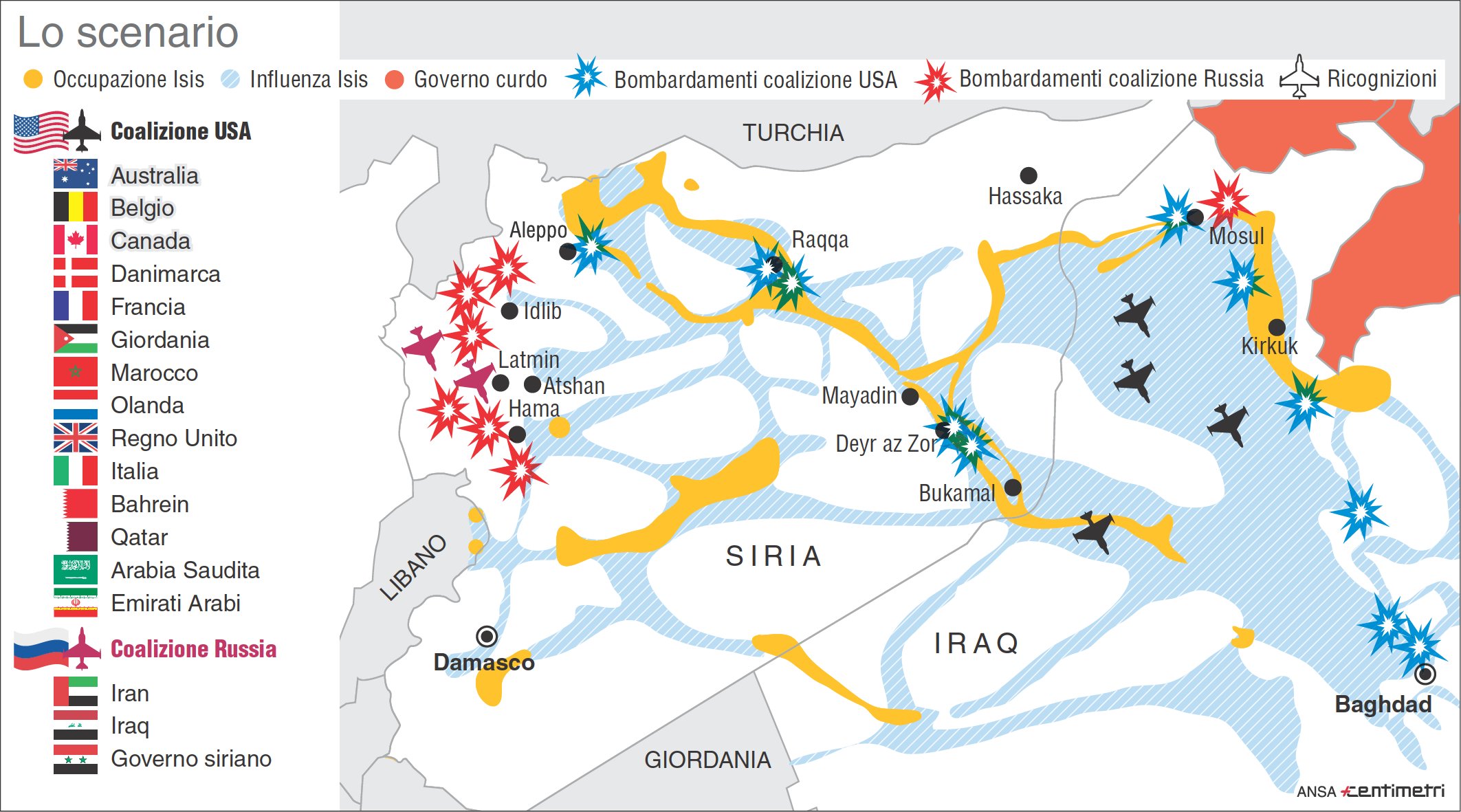
Reportedly, over 12 thousand warriors from 81 nationalities moved to Syria over the past three years, practically since the outbreak of the conflict. Many of them are Europeans, notably from France (700), Great Britain (400), Germany (270), Bosnia-Herzegovina (150) and Kosovo (200). They are militants who joined the strife to overthrow Syrian president. At a second stage they embraced the cause of terror organizations such as IS (Islamic State). They are Jihadists open to martyrdom in the name of Islam and of hatred against the West. Terrorist recruitment. Data collected by the “Foreign Fighters in Syria”, released during the summer by the US research centre “Soufan Group”, which provides intelligence and security services to governments and multinationals, show that the Syrian war is a ‘hub’ of regional jihad, which has become international since the proclamation of the Caliphate. These are significant figures that have prompted Western governments to raise the level of alarm and reconsider security measures to counter Jihadist recruitment and limit the risks of a terror attack on their respective national territories. Estimates by intelligence sources show that in the Balkan region alone there are over twenty terrorist cells that are active in recruitment and training operations. Terror cells. The counter-terrorism operations include recent activities against Jihad networks in Bosnia-Herzegovina and Kosovo: Balkan countries with Muslim majority population, considered the nerve centres of indoctrination and fundamentalist propaganda, as confirmed in a CIA Report regarding the first half of September. According to US intelligence agency, Bosnia, Kosovo and even Albania are the major recruitment centres of Islamic radical fighters in the war in Syria and Iraq. Cells of terror located in Sarajevo, Zenica, Maglaj, Srebrenika, Buzim – notably in the villages of Gornja Maoca and Bocinj, known for the local communities of Wahabites – were stamped out in the first days of September by Bosnian police forces that arrested 16 people as part of the “Damascus” operation. Detainees include Bilal Bosnic, who spoke of an Islamic strategy to conquer the Vatican. More than 40 people were arrested in 60 villages of Kosovo, including imam Gjilan Zekirja Qazimi, considered a major inspirer of Jihad in the Country. This proves the involvement of key members of the Muslim community in the recruitment of Jihad affiliates, although there have been muftis like Naim Ternava who are committed in fighting against the involvement of Kosovan youths with Terrorist fringes. Fundamentalist communities. That of radical Islamism in the region is a phenomenon that dates back to the Balkan war, with the disintegration of Tito’s Yugoslavia. Until then, Coranic schools and fundamentalist madrassas were not yet widespread. Radical Islamic cells became operative within Muslim communities especially during the war in Bosnia (1992-1995) when Arab and Islamic volunteers joined the fight in support of Bosnian Muslims. At the end of the conflict, after the Dayton peace accord, many of the combatants returned to their respective Countries, while many others obtained Bosnian citizenship for military merits or because they married Bosnian women. This led to the creation of radical Bosnian Muslim communities especially from central Bosnia and from the North-Eastern region. The distancing from the vision of radical Islam of Jihadists on behalf of members of local Islamic communities, who condemned IS violence on several occasions, highlights the difficulties in the relations between members of the same religion. Marginalized social brackets. What leads so many people, especially Balkan youths, to embrace the cause of Islamic fundamentalism to the extent of leaving their home Countries to joint the armed conflicts in Syria and Iraq? In addition to financial distress, that leads to poverty and unemployment – 40% of Kosovo’s population are without a job, as many as 44% in Bosnia – the causes are to be found also in the weakness of public institutions and especially in the marginalization of young population brackets, allured by the idea of remunerated combat. An identity void and a lack of belonging is filled by the radical preaching of certain Imams. Another problem is the return of a number of European jihad fighters to their home countries. The concrete risk, contemplated by several political analysts and Centres, including the World Security Network for South-Eastern Europe, is that in Syria and in Iraq they might have established contacts with organized terrorist groups which could be reactivated upon their return. If this should happen there could be serious risks not only for the national security of Balkan countries but for Europe as a whole. The latter should therefore step up its guard over the social and political developments in Eastern regions of the continent.
