CHURCHES IN BRIEF

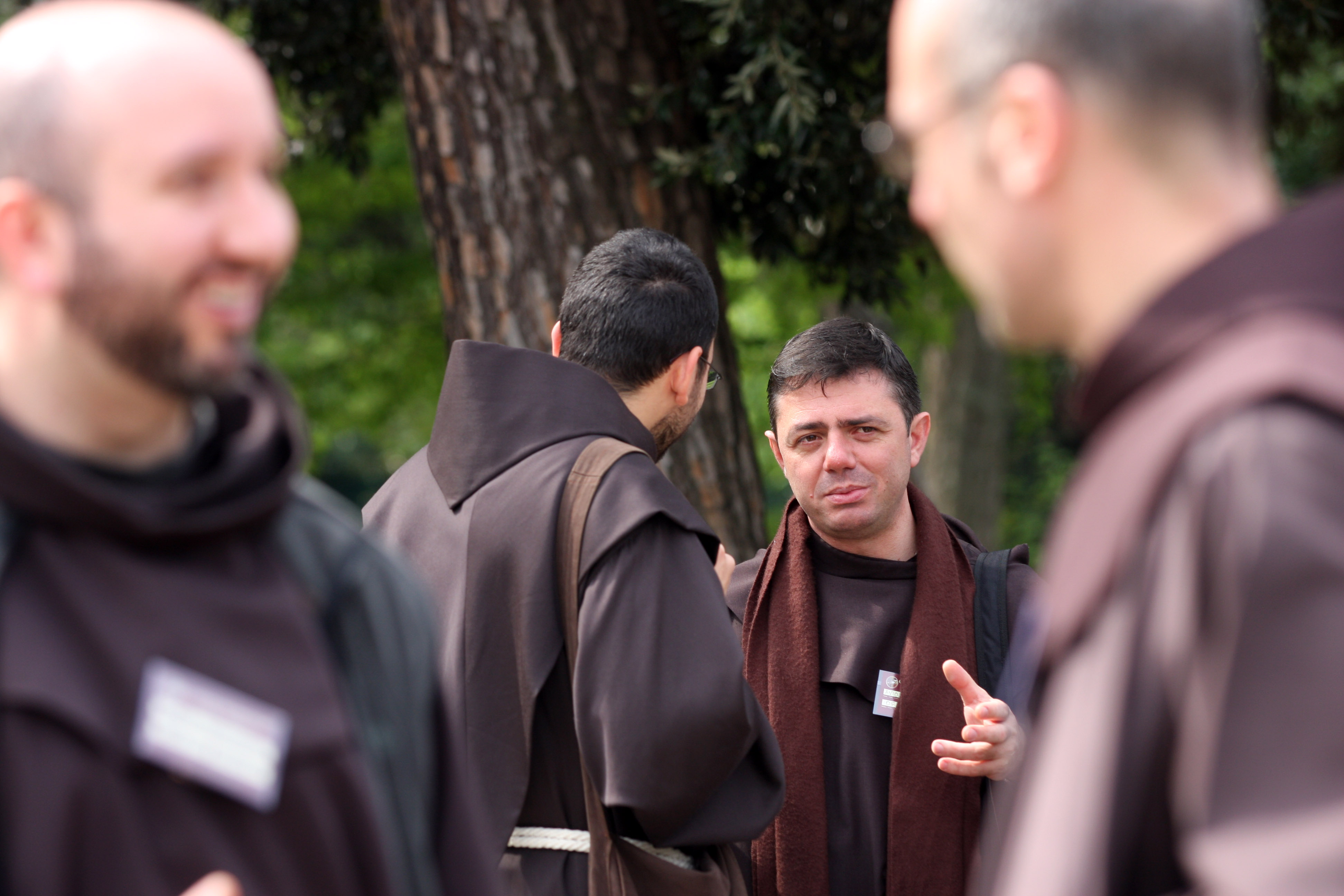
Belarus: consecrated life, message to the faithful “Today’s world needs authentic witnesses of Christian values for others to share”, states the message of the Catholic Bishops’ Conference of Belarus, published on the occasion of the Year of Consecrated Life. The bishops presented a program drawn up for and by members of Catholic religious communities to be carried out in the coming months, which will allow them to “fulfil their role of consecrated persons in the Church and to better understand the richness and diversity of the charisms”. The prelates invite all those who lead a consecrated life to bear witnesses to the faith in their lives every day and be an inspiration for the world with the joy that is the fruit of the encounter with Jesus Christ. “May the Year of Consecrated Life be an opportunity to pray for those who seek to discern the vocation to the service of God and of their fellow others, and for those who already follow it in the monasteries, in secular institutes or in other forms of consecrated life”, the bishops state in the message. Slovakia: Catholic University, growing faculty The Agency for Academic Placement and score (ARRA) has published the results of a survey on the quality standards of the universities and colleges in Slovakia based on the indicators of 2013. Findings show that the Faculty of Philosophy of the Catholic University of Ruzomberok is the second best faculty of Philosophy in Slovakia, thanks to its increased ranking in all fields. Even the faculty of Theology has improved its position compared to the previous year, achieving the fourth place. ARRA has compared more than 100 universities along with public and private colleges in the country, evaluating their education system, cooperation with universities and foreign institutions, the number of graduates and their ability to find a suitable job in addition to concrete results in the area of science and research. The agency, based in Slovakia, was set up in 2004 with the goal of “contributing to the improvement of the quality of education and science in Slovakia and to encourage positive change in the national university system”. Ukraine: an Icon exhibit dedicated to Maidan An Icon exhibit on the theme of Maidan and the Anti-Terror Operation (ATO) in Ukraine was inaugurated in Kiev – ongoing December through January. It presents the works of 18 participants in the international outdoor competition titled “Compassion in icons” held at the monastery of St. Michael. After January 19, the art pieces will be donated to the hospitals where the activists of Maidan and the Ukrainian military have received medical treatment. The venue of the exhibit is the same that houses the exhibition of ATO items, organized by the National Museum of Military History of Ukraine: that’s why the icons are symbolically mixed with fragments of weapons, armor and personal objects of the soldiers, as bibles and rosaries. “Ukraine has always been an example for other countries, not with arms, but through its culture and spirituality. The events of last winter have shown that society bears a strong tie to religion, when people gathered at Maidan. This cooperation must continue and this exhibition is a further example of it”, said Andriy Yurash, director of the Department of Nationalities and Religions of the Ministry of Culture. Spain: Caritas and religious, no to hasty expulsions Gathered in Málaga, the representatives of Church institutions working on both sides of Spain’s southern borders, with the migrants – Caritas Spain, Spanish Conference of the Religious (CONFER), Secretariat of the Bishops’ Commission for Migration, Justice and Peace – asked the immediate withdrawal of the regulation on hasty expulsions. At the end of November the internal Committee of the Congress of Deputies adopted a position on the draft bill for the protection of urban safety, providing for an amendment in the organic law for the regularization of migration, that would legalize expulsions on the border of Ceuta and Melilla. The organizations are concerned – they say – over a bill that criminalizes poverty and social mobility. The decision was thus to make public “the strong rejection of an amendment to the law because it violates human rights, gives a legal framework to an illegal practice that has been ongoing for a long time and fails to deliver solutions to any of the causes for which migrants abandon their countries of origin to arrive, after an arduous journey, on the borders of Ceuta and Melilla. In the end, it will only increase the suffering of the people and will not decrease arrivals”. Moreover, organizations are asking “to withdraw this additional provision and reach political consensus on migration”. Other requests are to “to seek regular access routes through dialogue” and to show “solidarity towards those who seek asylum and shelter from wars and persecution”.
