GREECE
Migrations have led to an increase in the number of faithful. Now there is a lack of priests and structures. Bishop Papamanolis: “We need aids”

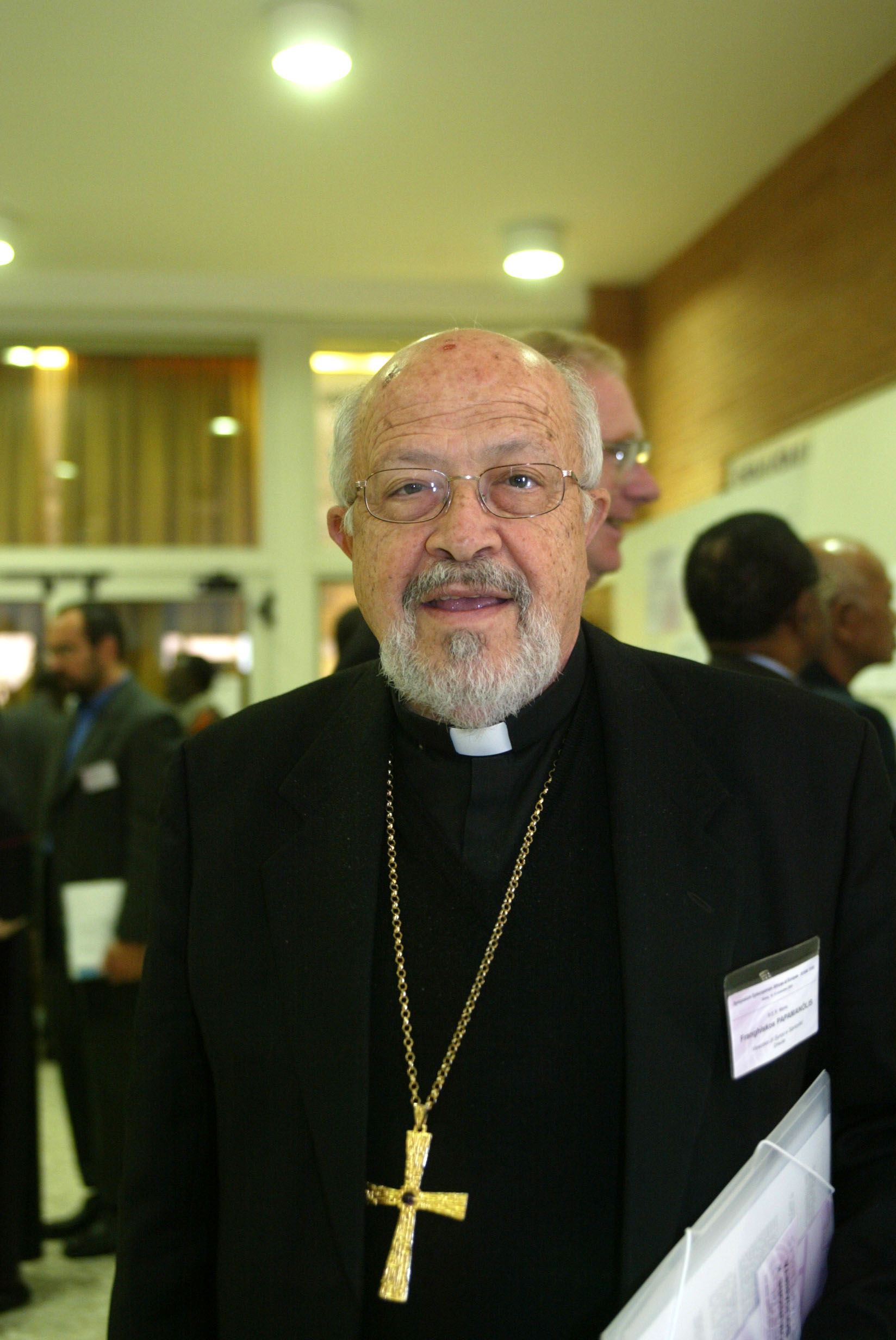
Dialogue with the political world to safeguard the common good, counter the pessimism triggered by the serious economic and social crisis, continue promoting the mission of evangelization and human promotion whilst furthering the ecumenical process: these are the major exhortations that Pope Francis conveyed to Greek bishops, in the Vatican for their Ad Limina visit. Daniele Rocchi, for SIR Europe, drew an overview with Mons Franghiskos Papamanolis.The Pope expressed an invitation to engage in dialogue with the political world at a time when Greece hits front page news across Europe. It is a topical invitation also in the light of the recent election where the left wing and its leader Tsipras won a decisive victory …”It’s an important invitation, but we are too weak to promote a dialogue with the government. The truth is that we don’t have a strong voice in Greek society and in its political realm. We’re a small 5.5% minority, we can’t pretend to engage in dialogue or give indications. The Orthodox Church represents the minority. When she expresses an opinion that reflects ours we also add our own thoughts.” During the meeting there has been ample reference to the Greek crisis. How can it be addressed without giving way to pessimism, as asked by Francis? “With solidarity. We are asking solidarity to the EU. In his tour of the EU Tsipras asked to increase understanding of an unsustainable situation that cannot be solved by increasing taxes. Only solidarity can alleviate the suffering of the Greek population.” As regards ecclesial questions, Francis pointed out the need for a motivated clergy, highlighting the importance of consecrated life, of the family and of vocation. How do you intend to follow these paths? “The Pope has encouraged us to continue in every field of pastoral care and Christian witness. We have a heroic clergy that serves the Church with love – as those priests who every day travel hundreds of miles to celebrate Mass in the most distant, remote areas of their diocese -, religious who bravely run our schools despite many difficulties. The Pope has exhorted us to care for and involve old people. We have several homes in Greece that provide hospitality to lonely aged people in situations of difficulty, but they risk shutting down for lack of funding. We are in the grips of the crisis, that’s why we’re asking for help to go on. Today we can only count on our meagre forces. But if these situations are not even supported by the Holy See what else is there to say?” What is the picture of the Greek Catholic Church that you have shared with the Pope? “Our Church is experiencing a state of precariousness and of renewal at the same time. First of all owing to a large flow of migrants: we went from 50 thousand to 350 thousand faithful (+700% Catholics). How much of their Catholicism will they be able to retain if they have no churches, catechesis, priests or structures? We have asked for places of worship. For years European bishops have made available Catholic churches to the Orthodox Church. Unfortunately in Greece the Orthodox Church don’t do the same with us: to date they have granted us the use of three churches only. Reciprocity is what we are asking for. We need religious and priests who speak migrants’ native languages. But our requests to the various bishops’ conferences were met with closed doors. There are lay Catholics who would like to study theology, but we’re unable to support them. The time of words is over, now we need facts. The Church in Greece welcomes the arrival of new Catholic brothers, but they will leave as Orthodox faithful.” What else have you spoken of with the Pope? “The Pope has ecumenism at heart, and he suffers because the importance of ecumenism is not fully understood. I think that the first thing that needs to be done is to purify the structures so that righteous belief is met by righteous action. Many things need to be fixed also within the Catholic Church, and the Pope is well aware of this. Purifying the structures is what Pope wishes to do with the reform of the Curia. A large number of traditionalists, who are the expression of strong and powerful Churches, are unaware of the Catholic Church’s conditions in many world countries. Go and speak with the bishops of other Continents and listen to what they have to say…”
