BEYOND THE MILLENNIUM GOALS
Conference in Brussels. Millions of people have no access to food, water, education, health: answers are needed. Which are the next steps?

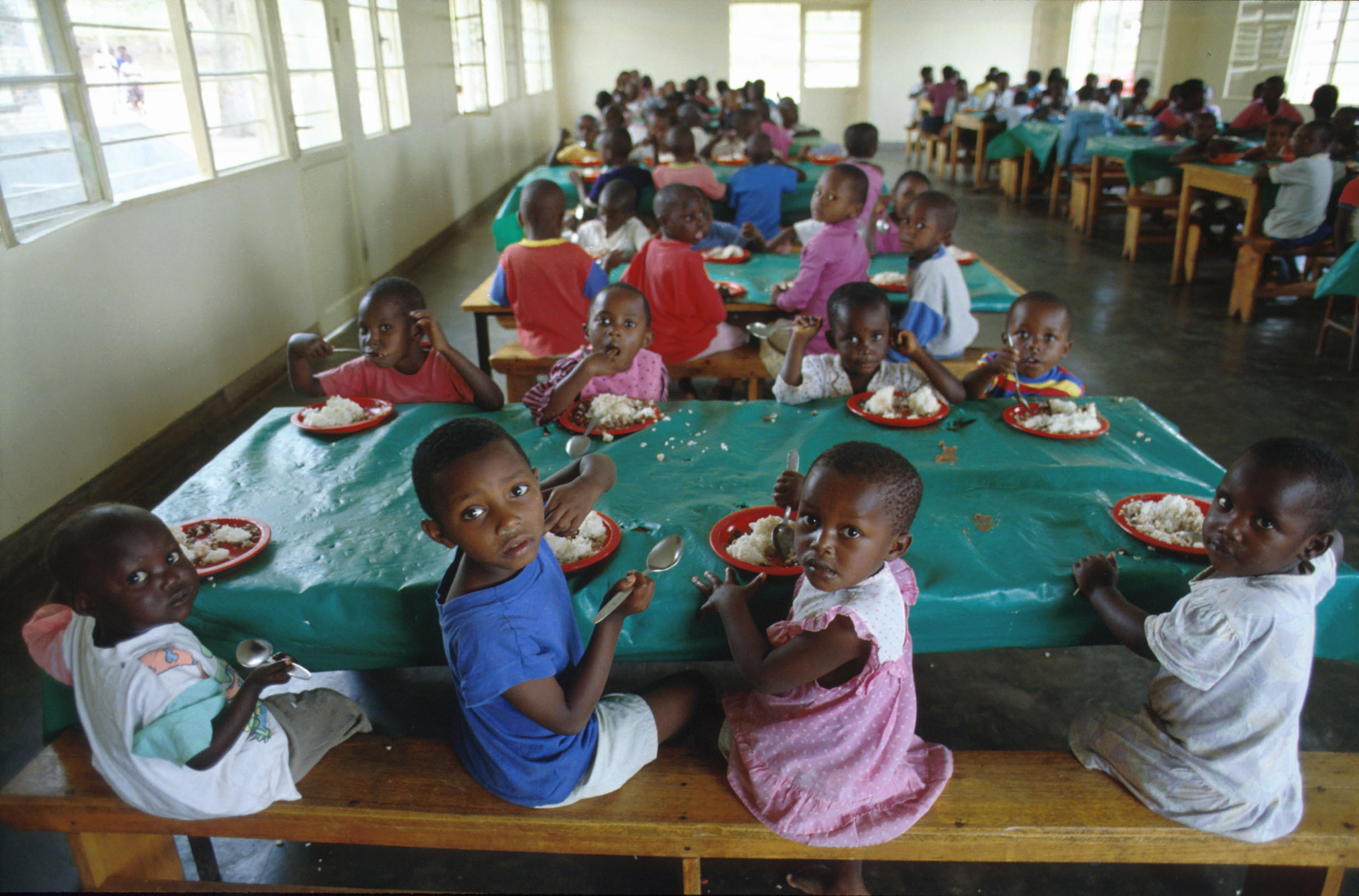
“The eradication of poverty and fighting inequality, together with sustainable development, are among the most debated issues in international politics, within civil society as well as within the Churches. The European Union is among the major players in these discussions”, declared COMECE, Commission of Bishops’ Conferences of the European Community, promoter of an international Conference titled “Decent Work – The path to dignity for all”, held at the European Parliament seat in Brussels. The speakers – among whom figured politicians, EU officials, experts, representatives of enterprises and unions, NGOs – drew an outline of the situation and developed a set of proposals regarding the steps that need to be made to achieve sustainable global development. Among the organizations involved in the project figure the Pontifical Council for Justice and Peace, the Permanent Observer of the Holy See at the UN, Caritas Internationalis. International agenda. “Development has never been one-way and is not one-dimensional. Clever commitment in favour of development should promote – on both personal and collective level – a way of thinking and a lifestyle asserting the dignity of the human person, fostering collaboration and solidarity between people and States, between rich countries and poor countries, and should aim at environmental and human ecology. It is the path for real and integral human development. This is the path leading to authentic, integral human development. Our debate can further the progress along this road”, declared Mons. Gianni Ambrosio, vice-President of COMECE, in the opening speech of the meeting. The bishop delved into three aspects in particular: The European Year for Development, proclaimed by the EU in 2015; “dignified work”; the problem of youth unemployment. As regards development, the bishop highlighted a set of world meetings scheduled for 2015 – such as the International Conference on Financing for Development in Addis Abeba, the UN Summit on the post-2015 sustainable development agenda in New York; the Conference on Climate in Paris – that could contribute to the creation of a development agenda for the coming years, taking into consideration the Millennium Development Goals set in 2005. “Great expectations”. “We hope the EU – Monsignor Ambrosio said on behalf of European bishops – will continue its commitment to foster intergovernmental negotiations”. “It can be said that everyone has great expectations, in particular, concrete measures are necessary to continue pursuing the path of more equal and sustainable development. Millions of people cannot access fundamental goods such as appropriate nutrition, clean water, energy, health care, education and dignified work. We all perceive the threat of climate change caused by global warming”. For that reason “the international community – including the EU and its member States -is called to face the difficult and complex challenge of negotiating a global international agenda for the post-2015 period: Europe must be an ambitious and unitary voice for post-2015 programs”. Differentiated commitment. Msgr. Ambrosio highlighted three major issues. First of all, “Development is a common and differentiated responsibility of economically weak or economically strong countries alike: partnerships should be on an equal level, with commitments of all parties. However, the commitment should be differentiated, that is, every country should state what it could obtain on the basis of its skills”. Second, said COMECE vice-President, “the quest for solutions to the many problems relating to development needs greater cooperation of public actors and civil society along with the continuation of social dialogue”. Third: “The challenge for policy-makers is to reach an agreement that will foster and promote sustainable development. Development is vital, but development sustainability is very important for the present and future of mankind: human life and dignity, as well as men and women’s health and future are at stake”. Worlk and human dignity. Msgr. Ambrosio thus addressed the second item on the agenda: “Dignified work is the key to the integral development of the human person and to the expression of his/her dignity. To this regard I wish to highlight the need to keep together the various dimensions of work”. “The working person and the very meaning of work” are at the centre, followed by the “social dimension” of every professional and economic activity; last by not least: “the economy of inclusion”. Finally, broaching the theme of youth unemployment, Msgr. Ambrosio concluded: “European society as a whole – from those with political and educational responsibilities to those involved in business activities – cannot abandon younger generations in this difficult transition”. Father Patrick Daly, COMECE Secretary General, delivered the closing remarks.
