EDITORIAL/2
The European construction suffers a set of limits. But the feast of May 9 could be an occasion to reiterate its role and some of its undeniable successes

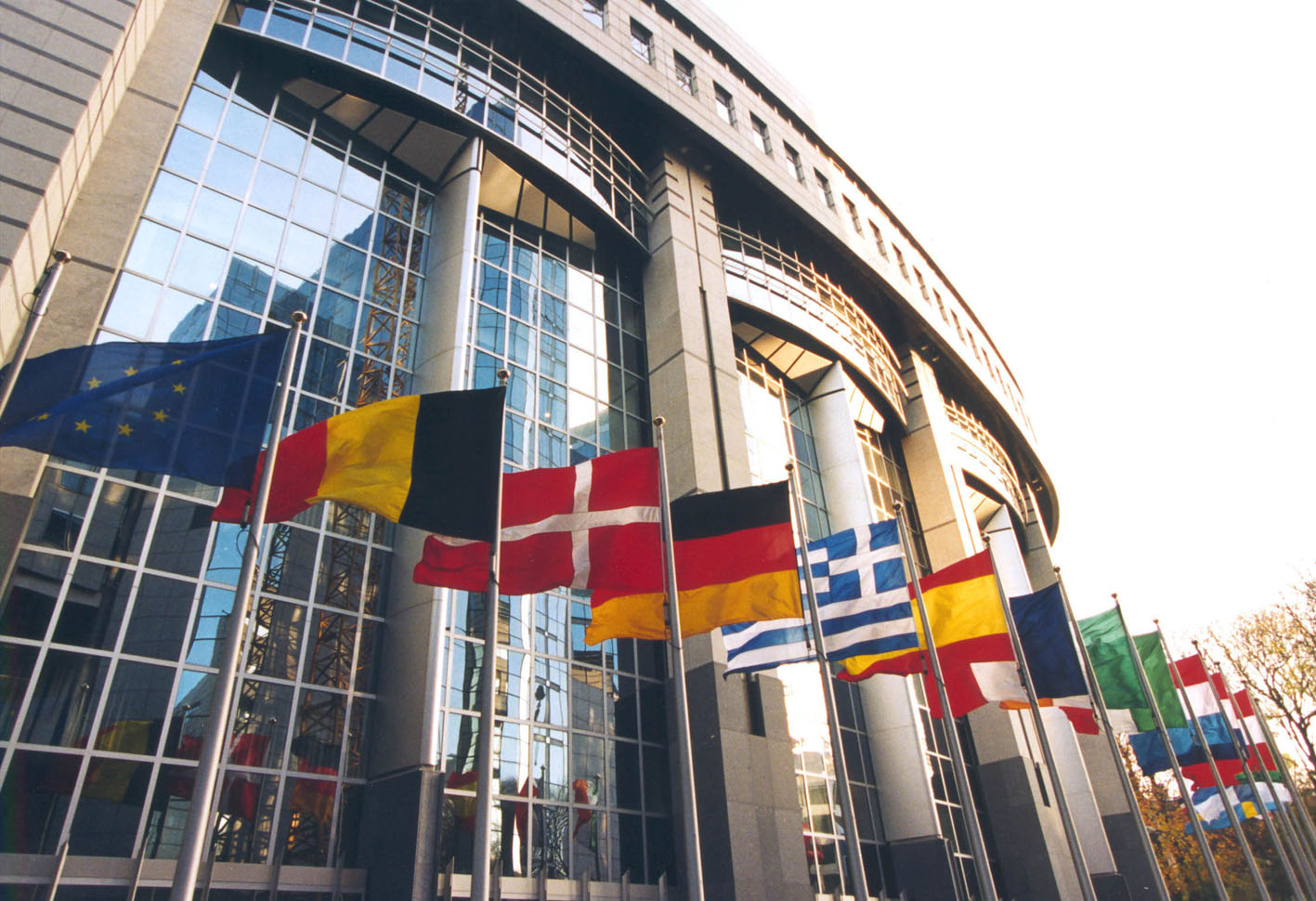
“The progress made by Europe after World War II’s devastation, occupation and marginalization, is truly incredible. Indeed, Europe broke the sterile cycle of wars and peace treaties – that were ephemeral points of equilibrium – replacing them with an unprecedented international order. In this way, in this area of military cataclysms, Europe managed to remove war from its horizons”. In a recent essay, from which this quotation is drawn, Elie Barnavi, History Professor at Tel Aviv University, former ambassador of Israel to France, recalled that the bearing of the irruption of long-lasting peace in Europe is measured with the gauge of the history of humanity. And it has become possible thanks to Robert Schuman’s declaration. Elaborated by Jean Monnet, this document was presented on May 9 1950 by the then minister of Foreign Affairs to the German authorities that immediately welcomed its underlying principle, namely, the sharing of strategic material like coal and steel. Other four Countries – Belgium, Italy, Luxembourg and The Netherlands- rapidly took action around this idea and six of them set up the Coal and Steel Community (1952). Over the years, and after many transformations, including the project to create a large market with common regulations and the establishment of a common currency, it became today’s European Union with its 28 Member States. Today this Europe is bruised and sore. It is accused of excessive -take the case of farmers – or insufficient interference – as in the case of border management and migration flows – in the life of its member Countries. It is being questioned for its impotence in the Ukrainian crisis and its quasi total absence in the Middle East. The institution representing its engine, the European Commission, is being criticized for its lack of ambition to liberalize trade with the rest of the world… In the same way, it is invited to supervise macroeconomic stability and – in order to do so – to verify budgetary policies: but for this same reason the Commission is accused of interfering in the public finances of Greece and in those of many other eurozone member Countries. The Executive – and the EU as a whole – is called into question for its inability to organize a more sober economy, less eager of energy, which wastes less food, whilst being insulted for its environmental directive. And this litany could go on… Today’s European Union and its institutions are the focal point of the anathema launched by all of Europe’s popular parties, favoured by fair winds across Europe, while the defense of the European project on the part of political parties with a democratic and Europeanist tradition has grown weaker. The Day of Europe has been celebrated for exactly 30 years, since May 9 1985. Grater emphasis should be placed on this celebration in order to highlight the positives of contemporary Europe, of its legislation that strengthened banks and finance supervision, its action for climate and against world poverty, its initiatives for improved fiscal transparency, its programs for culture or those implemented to protect consumers, or its underestimated role in the fight on terrorism. We should increase – not only on the occasion of this day – our commitment for the promotion of principles on European integration, and work for its improvement. There should also be those who make public statements – with convincing arguments and passion – in which they affirm that the glass in undoubtedly half empty, but that it’s also half full.
