FRANCE
Muslim sociologist Marongiu-Perria works at Cpdsi, a prevention centre against sectarian drifts linked to Islam

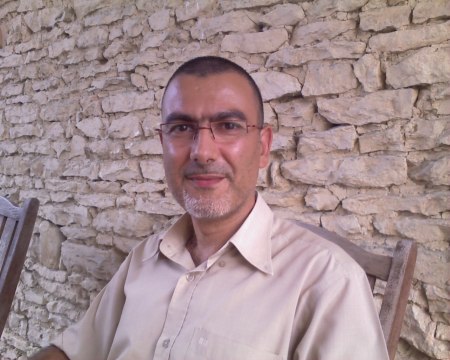
Jihadism entered into the lives of many European families without knocking at the door. It entered through the most precious door, which is that of our children. The obscure and perverse traces of its presence in Europe are found in the slow changes in the bodies and souls of young people, in the radical divide from the realm in which they belonged, the decision to leave to be recruited and encounter death or the tragic destiny of no-going back. The main players of these stories are youths, in particular young women only 14-20 years old. Their experiences were told by Muslim sociologist Omero Marongiu-Perria. He works for CPDSI, a prevention centre against sectarian drifts linked to Islam. The initiative was born in France last year, after the publication of a book by Dounia Bouzar on this phenomenon. Tens of families started calling her seeking help. The tragic stories are intertwined, the proceed along the fragile threshold separating life from death. There’s a young man who left for Syria who in a video asked President Hollande to convert to Islam and a mother whose husband took their 8-month child with him to Syria. Visible signs. Currently as many as 10 thousand foreigners have been recruited in Syria and Iraq in the various Al Qaeda and ISIS groups. Grooming in Europe follows two directions: the first resembles techniques used by sects through mental manipulation. Thus it’s a recruiting strategy that works with everyone, Muslims and non-Muslims alike. The other strategy focuses on the underground realms of neo-converts to Islam with the spread of a radical vision of Islam close to the ideology of Salafism and Wahabism. The primary goal is to bring the targeted youths to drift away from their own Muslim environments. The final goal is to lead them to the battlefield. The change is often visible: beard and “gellaba” (tunic) for young men and integral veils for young girls. They consider and call one another “brothers” and “sisters”. Four elements signal the danger of radicalization under way. The distance of the youth in his social environment (he no longer goes out with his friends, whom he suddenly considers negative people); distance from social activities (sports); distance from the school, and finally, the last, definitive step, is the refusal of family authority. “It’s the last element and when the young person overcomes it – Marongiu said – it means he has decided to go out of the house and leave for Syria”. “Sexual slaves”. The journey passes by Paris-Marseilles and more often by Paris-Turkey. There is a sophisticated circuit where youths are taken in charge by a veritable Mafia, which unlike widespread beliefs, has no ancient or exotic feature. However, it does have money and it can count on infrastructures in Europe, it has access to social networks. Most of those who “leave” are young women. They are used for the “rest of the warrior” and as “sexual slaves”. The purpose is to make them go and marry a young fighter. A few months after their arrival in Syria and Iraq they remain pregnant. Expecting a child often makes them become aware of their situation. “It’s as if the fact of being pregnant – the sociologist said – enables them to open their eyes and see the truth”. Families in touch with them via the web follow their transformation, helplessly listening to the requests of returning home, but at that point it’s impossible to repatriate. It’s easier for youths, but in France those who return from ISIS battlefields are immediately put into prison. This does not happen in Denmark or Sweden. Rehabilitation. Four hundred families are followed by the French prevention centre, 30-40% of all cases signal the presence of radicalization. Thus some fifty youths are integrated within rehabilitation programs. The therapeutic process is the same as those implemented in cases of sect manipulations. Psychological efforts aim at bringing youths to reflect on their personal living experiences. “And while the manipulation that they are victims of affect their emotional dimension – Marongiu explained – also the workers are involved in their feelings. This work can be done only with the help of the family and the support of young peers that had the same experience”. It’s still early to say whether the rehabilitation process was successful. But one thing is sure: “The families must know that their youths have changed and that they will no longer be the same as before”. However, they are ready to turn a new page. And when they will feel up to it, they will be able to help their peers not to fall into the same trap. Because ISIS never stops: they always need to recruit new people.
