EDITORIAL
The Euro summit extends a helping hand to Greece. But compensations are high, with a long list of sacrifices and reforms. And it is not the last word

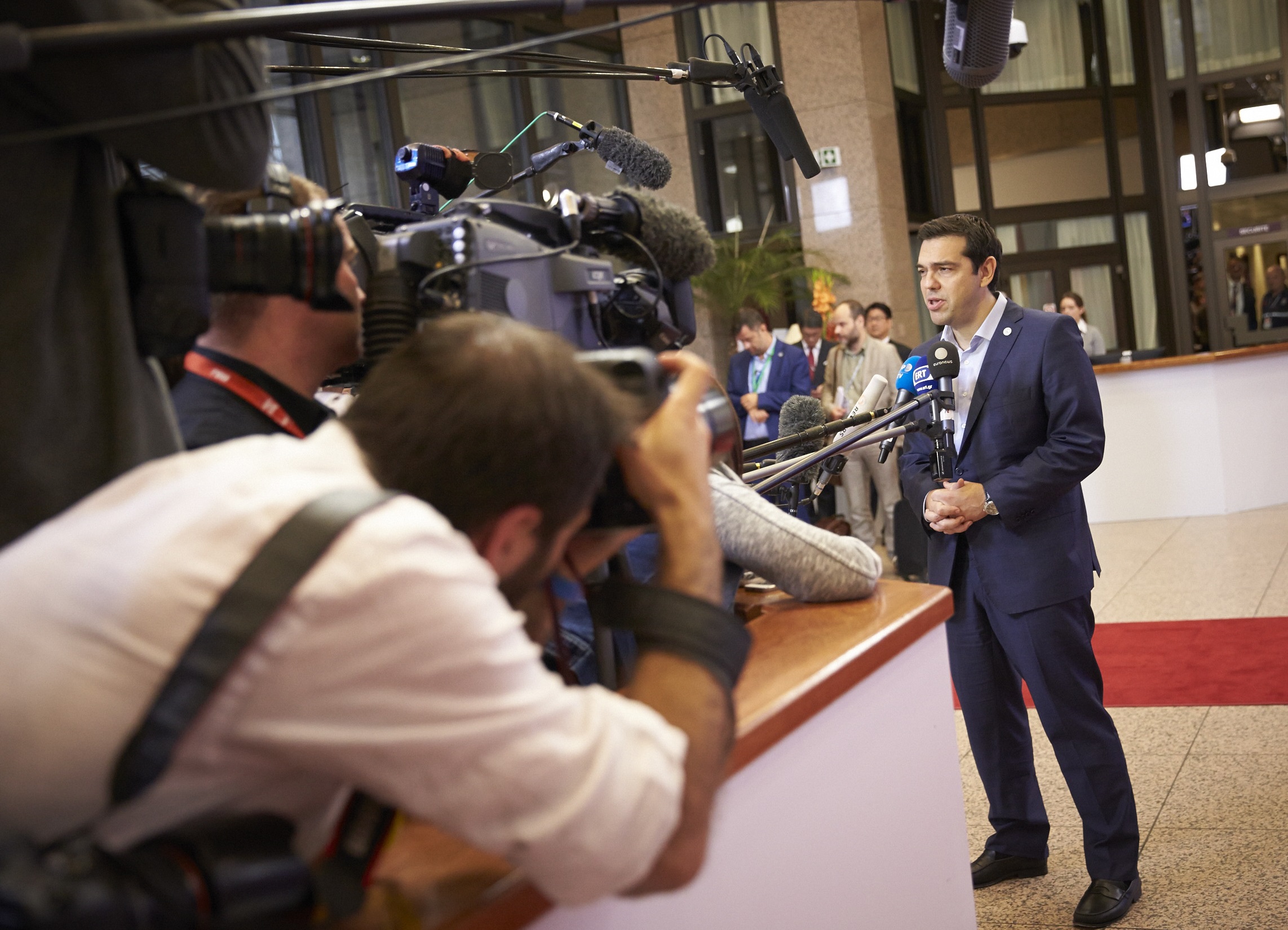
Seen from Brussels, the key word to understand the agreement reached at the Euro summit to save Greece from default is “compliance”. That is, reaching out to Athens with a substantial and new (the third) bailout package of over 80 billion. But substantial reforms are demanded in return, along with the creation of a trust fund – with 50-Bln worth Greek equity assets to be privatized – to guarantee the respect of the agreements and to repay the creditors in due time. Viewed from other European capitals, the conclusion reached by eurozone political leaders is rather different. In Athens, (where clashes sparked off within the government and in the streets) the situation is described as “blackmail” and as a “humiliating imposition”; elsewhere – highlighted in newspaper headlines – it’s illustrated as “Tsipras’ surrender”, the “revenge of northern Europe” (notably Merkel’s Germany) and the “victory of the EU rules” and austerity. According to statements released by the various players involved in the negotiations, from Juncker to Tusk, from Hollande to Draghi, from Merkel to Dijsselbloem, last weekend was saved what could be saved: Greece is allowed to stay in the euro on the condition of ambitious reforms, cuts and savings along with a “tears and blood” treatment that according to the “hawks” in northern Europe should have been implemented a long time ago. The Greek government of Alexis Tsipras is with its back to the wall: take it or leave it. And in concrete terms, the outcome of the referendum of July 5, with which the Greek population had said “no” to Community impositions, has been overlooked. But the seven-page text endorsed on 13 July in Brussels represents the beginning, not the final word, of the Greek Odyssey. The Parliament in Athens has two days to take the internal legislative steps necessary to put the seal on the agreement. Meanwhile, some eurozone States await the green light by parliament. These include Germany, the Netherlands and Finland. After then, the Eurogroup will officially activate the bailout fund (ESM, European Stability Mechanism), delivering close to 86 billion in a three-year period. Meanwhile, the European Central Bank will intervene with bridging loans to meet the upcoming deadlines. Reportedly, 7 billion will be allocated in July, perhaps another 5 in August. Moreover, on July 20 Greece must repay 3.5 billion to the ECB from previous loans. The real match is being played in Athens. Indeed, Tspiras’ government – which still enjoys the support of a large number of voters, despite the humiliating deal reached at the EU negotiating table – will have to persuade the Greek people to digest the heavy reform package that is the precondition for financial aid. More specifically, the priority is the establishment of a trust fund, based in Athens but controlled by international “experts” (European Commission, ECB, IMF, i.e. the former Troika) namely, a kind of mortgage on public goods and services yet to be identified, and then initiate privatization. Follows a long list of reforms, meant to restore financial stability to the country and prepare the grounds for investment and actions to promote the recovery of the real economy in the Country.Greek government and parliament will then have to implement the reform of the pension system thereby increasing retirement age; proceed with the revision of VAT also by expanding the tax base; cut public spending, including the huge public administration; initiate the privatization of certain strategic sectors such as energy supplies, transport (ferries), pharmacies; adopt and implement as soon as possible the Code of Criminal Procedure to strengthen and streamline justice; eliminate tax privileges, accorded for example to ship-owners and to the Aegean islands. In addition, the banks (the agreement includes 25 billion to recapitalize banks) will be placed under special control, while the national statistical agency ELSTAT must be made independent of the executive. It is no coincidence that the German daily “Der Spiegel” reported the requests dictated to Athens with the headline “The cruelty list”. The other cricket-States are warned: those who want to continue having the single currency in their pockets will have to respect agreements.
