editorial" "

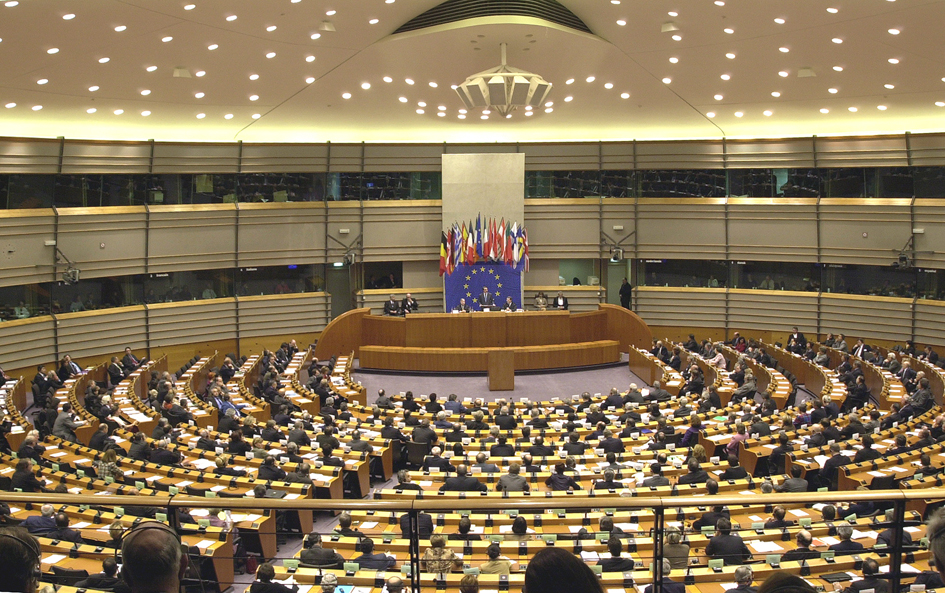
When ten countries enter the European Union in May 2004, the EU will no longer be able to think of itself instinctively as part of the so-called “West”. Even now, in its form “enlarged” to fifteen member states, the EU possesses a cultural heritage in large part held in common, in spite of the fact that Europe’s history has been beset by so many wars and conquests. Nonetheless, once the countries that used to be called “the Eastern bloc” become part of it, the population of the EU will appear very different. A European Union that has become progressively more urban (only 4% of the population live by farming) will henceforth include a large slice of rural population. The political outlooks of various countries will reveal attitudes strongly opposed to the international leadership of the USA, while other countries have no intention of permitting their membership of the EU to condition their political or economic policies, nor do they want to be involved in an image that defines the EU in terms of rivalry with the USA. Bearing these differences in mind, what significance should be attributed to the words “union” and “solidarity”? Many fear that the only effective unity of the enlarged EU will consist in its imperviousness to the poor in the rest of the world. The fact, moreover, that the drafting of the future European constitutional treaty is taking place during the period of enlargement seems far more than a coincidence. The disputes that have arisen round its composition reveal, in particular, three sources of tension. The first is between big countries and small countries: in other words, the question is posed whether this division will give rise to a subdivision between first and second class countries. The second is between those for whom European unity is based, in essence, on a legacy and civilization inspired by religious faith, and those who believe that the real legacy of Europe is the secular liberalism of the Enlightenment. And the third, and more subtle, source of tension is between those who believe that a Constitution underwrites the national sovereignty of the member states, precisely because it defines its limitations, and those countries, such as the UK (which does not possess a written Constitution), that see the future European constitutional Treaty as a factor of loss of national sovereignty. If the identity of the Union is considered in competition with the national aspirations of its member states, no Convention will be able to forge it together; and since it is highly improbable that the EU will eventually comprise the whole of European territory, it will also be unable to express our “European” identity. Many Britons (and not only they) would favourably accept the policies of the EU only if they imply a potential benefit for their country, but would oppose them if they had the impression that their national prosperity would be jeopardised by them. This attitude conceives the EU not as a real “union”, but only as a means of advancing the good of the nation. From this point of view, ironically, enlargement but not the future constitutional Treaty could be favourably received: the bigger the group, the smaller the threat of a deeper unity between the founding member states of the EU, since it is just this deeper unity that is feared by those who are most attached to “sovereignty”. Presumably, all twenty-five member countries believe they will derive benefits from being an integral part of the Union. In future, however, it will be the countries (and the regions), and not the EU itself, that will form the unities within which this collective identity will be concretely experienced and which will be used as parameters to calculate the various interests at stake.
