EUROPEAN COUNCIL
The three-party social summit called for employment and growth initiatives

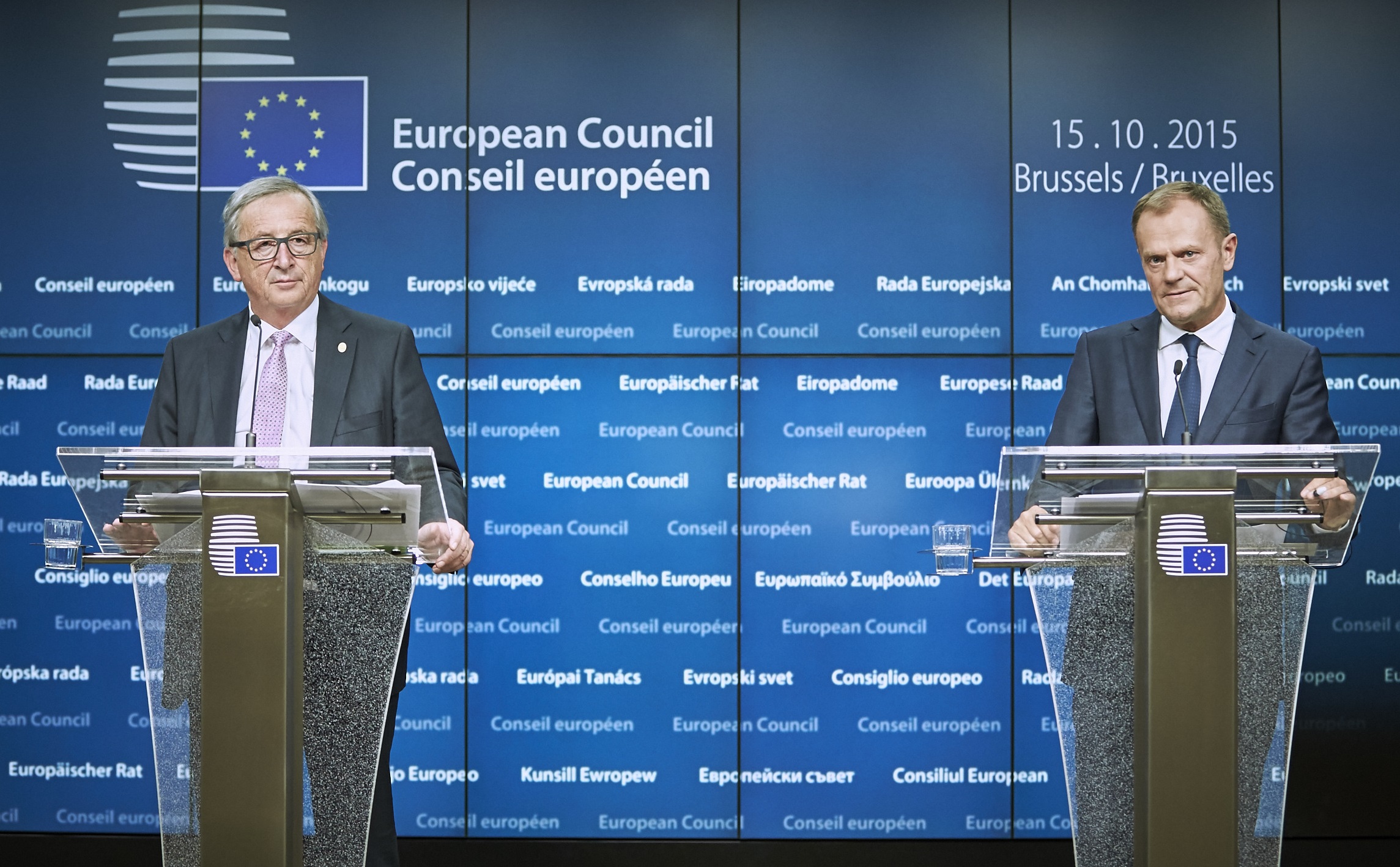
Employment, young people, wages, the development of backward regions, renewed industrial policy, support to small and medium enterprises, the defense of the European social model, are among the topics that were tackled in the Justus Lipsius building in Brussels, where on 18 and 19 October EU Heads of State and Government gathered for the latest European Council dedicated to economic governance and banking union. The meeting of EU’s 27 leaders was in fact preceded by the ‘tripartite social summit’, a meeting for discussion and debate between EU institutions and social partners, which takes place two times a year, in March and October. EU, trade unions and enterprises. The social summit is regularly attended by Council and Commission representatives on behalf of the EU, of enterprises (with various names: Business Europe, CEEP, UEAPME) and of workers (CES-ETUC, the European Trade Union Confederation). Normally, this meeting is not covered by the media, waiting for news from the European Council held immediately after the tripartite meeting. And yet it represents an occasion to resonate the positions and concerns of economic actors, to remind Presidents and Prime Ministers that the economy is "reality", concreteness, and therefore it requires equally practical and prompt answers to address the challenges posed by the crisis, by unemployment, by t increased competitiveness in world markets, and by the remoteness of the financial markets from the real needs of companies (tmanufacturers continue to report difficulties in gaining access to credit for productive investments). The crisis remains in the background. The social summit of 18 October, in particular, was largely devoted to the social partners’ contribution to the improvement of governance of the European Union. "Against the background of a financial, economic and job situation marked by uncertainties and difficulties – the EU Council, represented at the meeting by President Herman Van Rompuy, stated in a release – the summit also discussed the question about how to promote growth, employment, and "social inclusion", in line with the decisions that were taken by the European Council in June and in line with Europe 2020 Strategy goals. The lively discussions between the EU businesses and trade unions have focused on the problem of unemployment – as confirmed by participants at the end of the social summit – and on the necessary initiatives to strengthen the Union’s industrial policy, a subject which is being tackled primarily by the ‘EU executive. Governments, time to act. "The social partners are extremely concerned about the impact of long-term and structural unemployment", sums up the European Council. It "leads to the erosion of skills and it weakens productivity and competitiveness" of continental economic system. "For young people, especially, it increases the risk of marginalization, which should be tackled through a series of targeted investments in education, professional qualifications, and research". Participants in the social partners summit repeatedly referred to the " Growth and Employment Pact", as defined in June’s European Council, in which Member States pledged their commitment. On this point Commission President José Manuel Barroso, has been straightforward: "Some Member States have not taken any action on growth. Maybe not all EU governments have the same vision and perception of the crisis and its severity. For this reason, the Commission once again brings this message "at a summit of 27 leaders: "Commitments should be met". Thus from the social to the political summit comes a warning is not new: the recession is overcome by deep reforms and bold initiatives to promote competition, funds for research and training … still Barroso said: "Europe needs to accelerate the implementation of pact for growth. Efforts for fiscal consolidation must be compensated with structural reforms and targeted public investments. " Thus from the social to the political summit comes a warning: the recession can be overcome through deep reforms and bold initiatives to promote competition, funds for research and training… Barroso said: "Europe needs to accelerate the implementation of the Pact for growth. Efforts for fiscal consolidation must be compensated with structural reforms and targeted public investments". The mobilization of trade unions. Among the items in the tripartite social summit, the voice of the European trade unions resounded to convey their "firm opposition to further austerity measures", which "cause Europe’s descent into economic stagnation", as well as "the dismantling of the European social model". In a paper presented to other stakeholders, the European Trade Union Confederation announced for November 14th a day of action for a "Social Pact for Europe" with demonstrations, strikes, debates and other forms of public awareness. Trade unions are planning to bring governments and public opinion leaders to acknowledge the situation of workers and their families, of young people and of those who remain unemployed because of the crisis: stories and faces that require policymakers – the protagonists of the summit on 18 and 19 October – to undertake effective and responsible decisions.
