
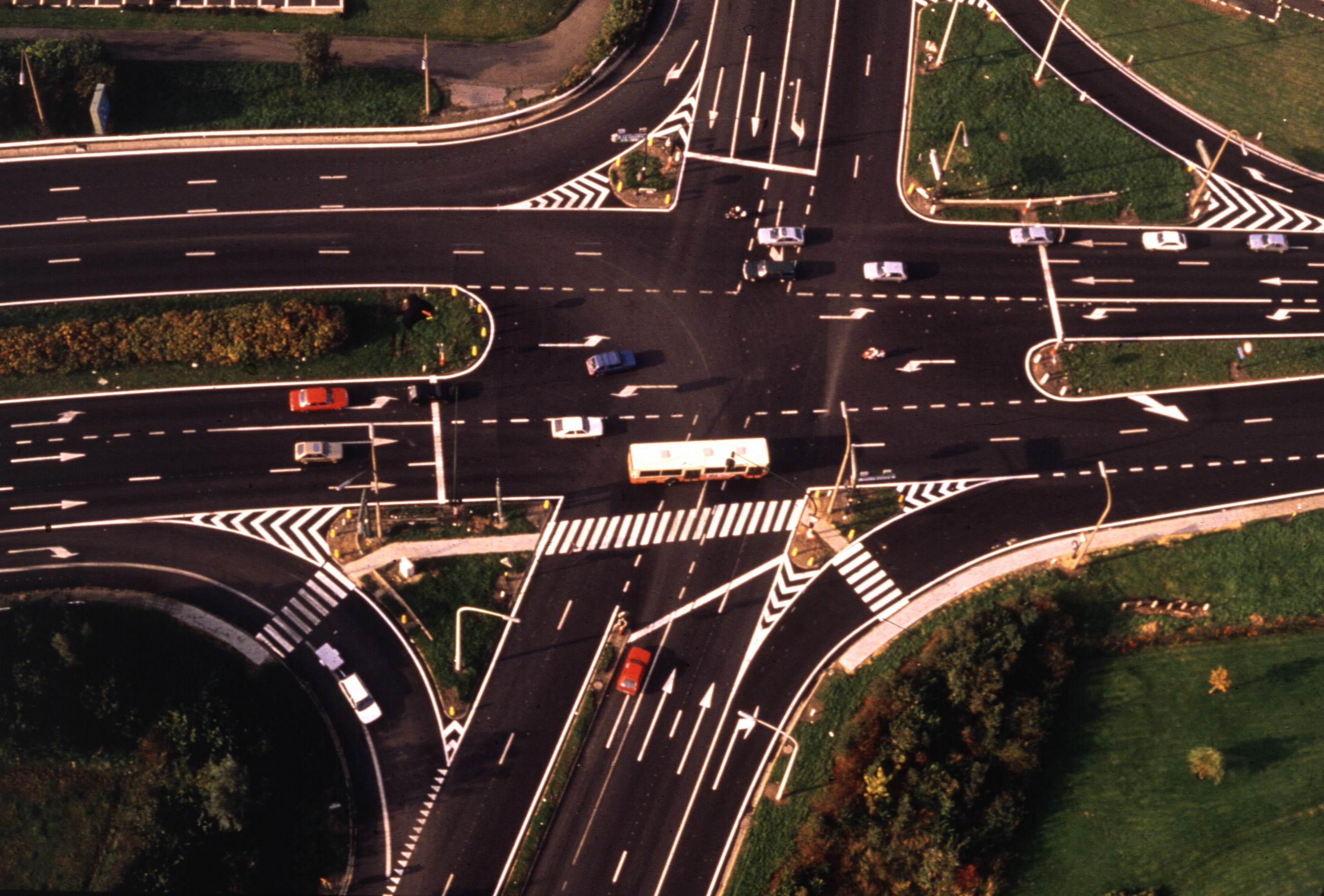
Community funding to improve transport 74 projects selected by the EU will receive almost 200 million in co-financing from the trans-European transport network (TEN-T) to improve transport infrastructure. The projects – selected as a result of the 2011 annual call – will use EU financial support for a variety of purposes, ranging from the construction and/or upgrade of current links, support of transport corridors, Public-Private Partnerships (PPPs). Commission vice-President Siim Kallas, said: "The European Commission continues to support the construction and upgrade of European transport infrastructure to ensure its citizens can reap the benefits of a complete, safe and modern network. Moreover, the almost 200 million made available today will also help to support employment in the EU by allowing Member States to continue investing in large and small infrastructure projects during a time of general economic stagnation". Research and innovation, international cooperation The European Commission has set out a "new strategy for developing international cooperation in research and innovation" with the purpose of extending EU research cooperation to "the best brains in the world". Máire Geoghegan-Quinn, European Commissioner for Science, said: "Going it alone is not an option in research and innovation. It is critical that Europe reaches out to international partners to access new sources of knowledge and address global challenges". Thus Horizon 2020 (Research 2014-2020) will be open "to participation from across the globe" in order to ensure "mutually beneficial cooperation with our key international partners", assisting developing countries and helping Europe access new and emerging markets". The Commissioner recalled that one fifth of EU research projects already involve at least one partner from outside the EU on the themes of heath, economic development and environmental protection. October: cultural events promoted by the EU October will be an intense month under the banner of European culture. The Commission is organizing three large-scale events for all cultural organizations. It will begin on October 15 with a meeting in Brussels on cooperation projects under the Culture programme. Each year this initiative finances over 300 projects with a budget amounting to approximately 50 million euro. On the same day the European Commission will also host an exchange of good practices between the past and future European capitals and on the occasion will be presented the new proposal for the programme "European capitals of culture" that will be adopted as of 2020. Launched in 1985, the event is one of the most prestigious and visible initiatives of the European Union. The 2012 capitals are Maribor (Slovenia), and Guimarães (Portugal). The meeting in Brussels October 16-17 will focus on "audience development", namely, "a strategic, dynamic and interactive process to make artwork accessible to all". It’s about "building and empowering new audiences" by sharing and enhancing new forms of artworks through communication and audiovisuals. A series of project funded under the 2007-2013 Culture Programme, centered on the theme of audience development will be presented during the meeting. The Conference will be streamed live on the website http://www.cultureinmotion.eu/European-Audiences/index.jsp.Georgieva: "towards a European Voluntary Corps"The EU Commission stepped up programs for a European Volunteer Corps to respond to humanitarian crises resulting from natural catastrophes. The news was announced by Kristalina Georgieva, the European Commissioner for International Cooperation, Humanitarian Aid and Crisis Response, who on September 19 illustrated a Community project that will provide training to 10 thousand volunteers in multinational groups and spend some months in apprenticeship placements in a foreign country in Europe before going to the field. The proposal includes a budget of 239.1 million for the period 2014-2020. Commissioner Kristalina Georgieva said: "it is a positive signal in these times of crisis", to demonstrate "our European solidarity by helping those most in need". "The number of natural and man-made disasters in the world has significantly increased over the last years and this trend is unfortunately likely to continue", the Commission pointed out. Humanitarian organisations need more well-prepared people to support them helping communities struck by disasters". In particular, the Executive proposes "to develop European standards for managing volunteers in humanitarian projects, and a training programme to prepare volunteers for deployment".
