CHURCHES IN BRIEF

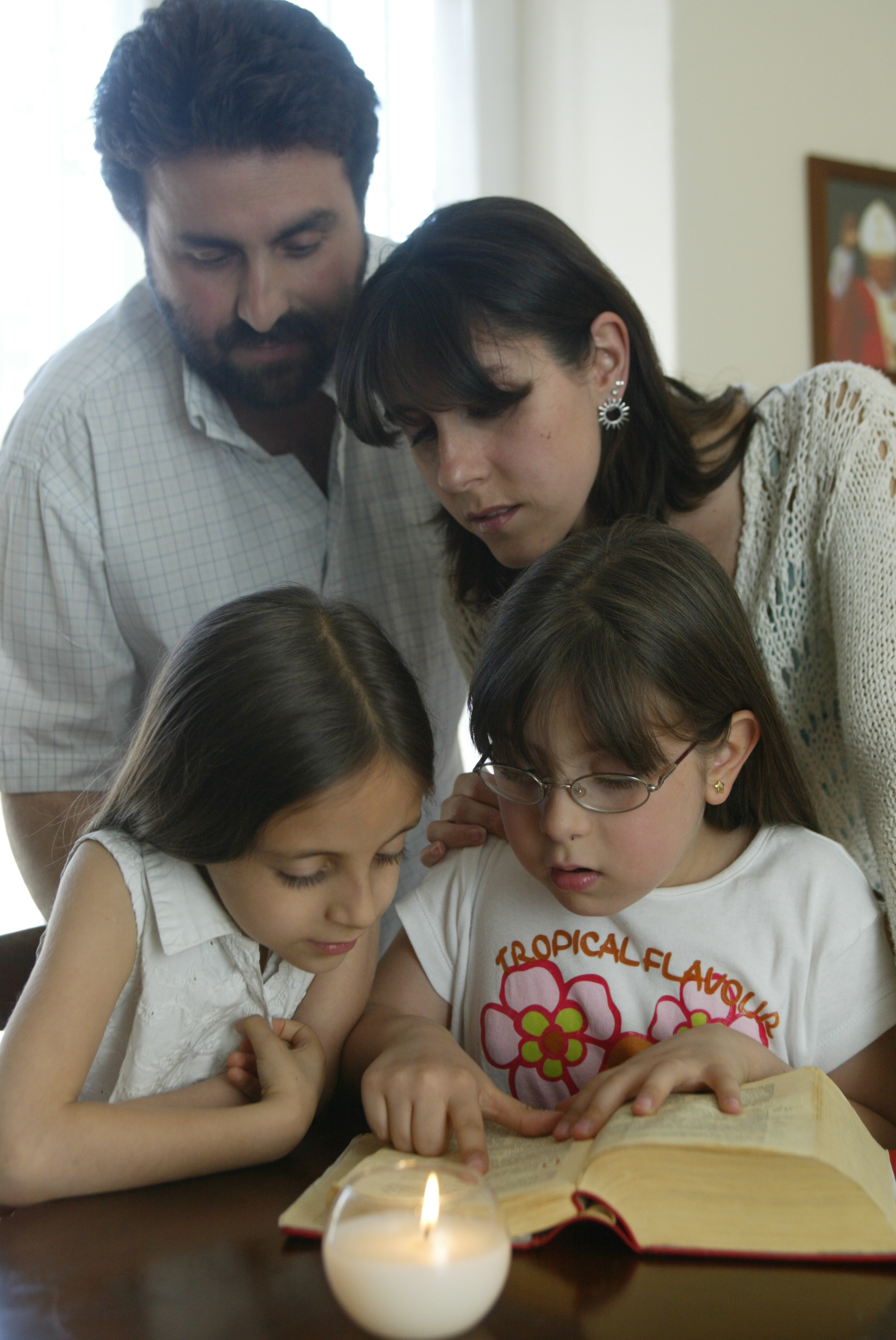
Portugal: Christian education weekFrom September 29 to October 7 Portugal’s Catholic Church will hold National Week of Christian Education, inviting professors and Catechists to promote the strengthening of faith within their congregations. In a dedicated pastoral note the Episcopal Commission for Christian Education and for the Doctrine of the Faith (CEECDF) reminds diocesan coordinators about "the importance of communicating to children, youths and adults the mystery of God in whom they believe". "Christian faith begins with an encounter: someone met Jesus and spoke to us of Him and allowed us to know Him. This encounter can lead to a true and sincere friendship", writes the president Msgr. António Francisco dos Santos. Subordinate to the theme "Discovering the solidity of faith: Urgency and Mission", the CEECDF document states that "everyone has the right to know the true face of God, and Christians have the duty to show it without fears, through words and action". Integrated in the community of faithful, "Catholic educators are called to be the witnesses of the message of the Church, animated by the love that derives from the Word of God". In a world that is scarcely open to the transcendent sphere, "there is a want of people capable of listening and receiving the Gospel, thus helping society to progress in the love of God", concludes the pastoral note. The highlight of the national Week of Christian Education will be the "National Days of the Catechists", due to take place in the Pastoral Centre Paul VI in Fatima, on October 5-7. Other important events are the pilgrimages of schools and Catholic educators, scheduled to take place on September 29 and October 7. Germany: the Church and society in the worldThe dialogue process is developing, said Cardinal Reinhard Marx, archbishop of Munich and Freising, at the end of the forum of dialogue in the Catholic Church that closed in Hannover on September 15. In an interview to Catholic news agency KNA, the archbishop of Munich underlined that "the Church is capable of a future only if it goes where the Lord has sent her: amidst world suffering". This point, he added, was made clear, and it should be implemented in the daily lives of all participants". According to Cardinal Marx, "our thinking should not be religious in the strict sense of the term. In fact we should bear in mind the entire situation of individuals, notably the poor, the disadvantaged and the sick. Society should perceive that the Church is not an end in itself but that she is present for everyone and serves others, perhaps not always as the world expects her to". The archbishop called for "the quest of new paths" by the bishops vis a vis remarried people, reiterating that "a bond that is stronger than marriage and the family" should be considered. "The principle of the indissolubility of marriage should not be questioned, but the failure of marriages should be acknowledged and the solutions should be found in Gospel teaching". Slovakia: 40,000 faithful on pilgrimage Around 40,000 faithful from all corners of Slovakia gathered on 15 September in Sastin, on the occasion of the National Pilgrimage to Our Lady of Seven Sorrows, patroness of the Slovak nation. The Eucharistic celebration was presided over by cardinal Jozef Tomko, prefect emeritus of the Congregation for the Evangelization of Peoples. "Our nation has its patroness and protector. The battle for morality hasn’t come to an end yet and current attempts to weaken it, even through the legal system, encourage the faithful to remain alert", said cardinal Tomko in his homily, pointing to problems of corruption, alcoholism, envy and weakening of the institution of marriage in the country. "Today we can’t blame strangers, this is the bill for our own weakness and pains", continued the cardinal, inviting the faithful to embrace the Mother of God as their own Mother, because she "helps to maintain sane and healthy values in the nation". Finally, cardinal Tomko firmly refused the attempts of politicians to cancel the feast of Our Lady of Seven Sorrows as a day of public holiday, pointing to the fact that it has been confirmed by the Basic Agreement between the Holy See and the Slovak Republic.
