CHURCHES IN BRIEF

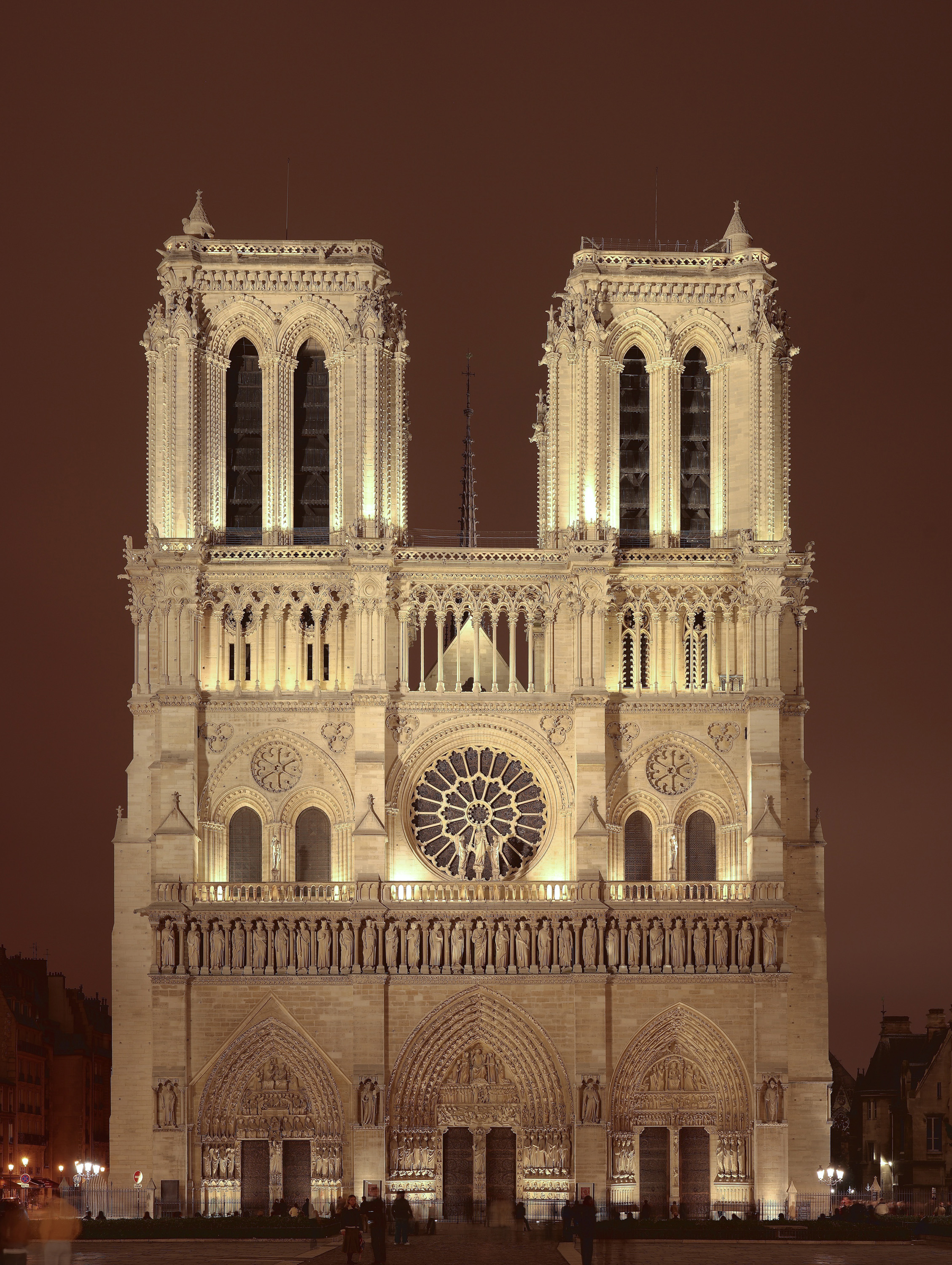
France: meeting between card. Vingt-Trois and president HollandeLaicism, gay marriage, palliative care and euthanasia. These are the points addressed during a meeting between card. André Vingt-Trois, archbishop of Paris and president of the French Bishops Conference, and the new president of the Republic, François Hollande, at the Elysée Palace on Tuesday 17th July. "We had – said archbishop Vingt-Trois to the newspaper La Croix – a very free exchange of opinions about the general situation", and president Hollande proved to be very "sensitive" to the Catholic arguments. At the meeting, they discussed palliative care, because that morning president Hollande had gone to see the hospital "Notre Dame-du-Lac", specialising in palliative medicine. "He told me – the cardinal tells – about his respect for what he saw and how impressed he was at the intensity of the experience you have in such homes". Then, as to gay marriage, the president of the French Bishops Conference was keen on pointing out to president Hollande that "marriage is not a way to acknowledge the authenticity of the bond between two people who love each other. It is a social institution that makes sure children are raised as best as possible". "So, such institutes must not be confused". So, the result of the talks was a positive one. President Hollande – card. Vingt-Trois actually said – "relies on the fact that we, as well as the others (Jews, Muslims, Protestants, Orthodox, Buddhists), express our opinions and say what we think is important for the future of the country".Ireland: one month later Eucharistic CongressHuge figures about the attendance of the 50th International Eucharistic Congress (Iec 2012), which took place in Dublin from 10th to 17th June. One month later, such figures have been disclosed by Anne Griffin, the general manager in charge of the Congress staff. An event that took three years’ preparations and was attended by 95 thousand people registered in the official programme, plus the millions of TV viewers who followed the event on radio, TV and web broadcast, the thousands of people who flocked to Dublin to attend the events and the people who took part, instead, in the local events promoted by their parishes. On the days of the Eucharistic Congress, the website too – www.iec2012.ie – was visited over 2,500,000 times, in the 150 pages in 7 different languages provided to virtual pilgrims. In addition, 9 bloggers told about the event, going around every day to collect opinions, feelings, experiences, reflections and anecdotes. Now, the website contains pictures, video interviews, videos of the highlights of the event as well as the speakers’ texts. Speaking to all the people involved in Iec 2012, Anne Griffin concludes: "We thank the volunteers, the sponsors, and the staff. But above all we thank the people who have been with us and who helped turn the 50th International Eucharistic Congress into such a wonderful experience".Poland: European youth commemorate the Shoah"European youth from Spain, Germany, Portugal, Belgium, France, Italy, the Netherlands, Sweden and the U.K., we are gathered here today with the Community of Sant’Egidio in Auschwitz to commemorate the horror of the Shoah. In front of the monument in memory of the victims of the Nazi extermination of millions of men and women – Jews, gypsies and others, members of unwanted groups, we want to halt today, 16th of July, to reflect and to remember". This is the text of the appeal made by 400 European young people who participated in the pilgrimage to Krakow entitled "For a world without racism and violence" with the Community of Sant’Egidio from 14 to 18 July. On Monday 16 July, the young European pilgrims visited the camps of Auschwitz and Birkenau, where they launched the appeal. Participants in the pilgrimage said about the Shoah: "This is not an event of a distant past that does not concern or affect us. No, we believe this tragedy concerns us very closely, for it all happened in Europe". The fear is that since it "happened" once, "it can happen again". "Every time a foreigner suffers violence in our cities, every time a person encounters contempt due to his descent, religion or being different, a road of hatred and violence is prepared in the hearts of people", young people said. Therefore they want to tell their peers and the following generation "of the importance of excluding any form of racism, discrimination or contempt against man and against life". In Auschwitz, young people walked across the tracks of the "final journey" of many people "to salute the victims of blind violence, deprived of any human dignity and even of life". "We are convinced – they said – of the absolute value of life and of the triumph of forgiveness over revenge. We want to defeat evil with good. Therefore we actively want to contribute to a Europe were everybody can live together: a world without racism! A world without violence!". "We leave Auschwitz more united – young Europeans concluded -, determined to convince our peers with the force of love to do better and to turn our countries into a Europe of peace".
