EUROPEAN UNION
A guide and a website dedicated to travellers

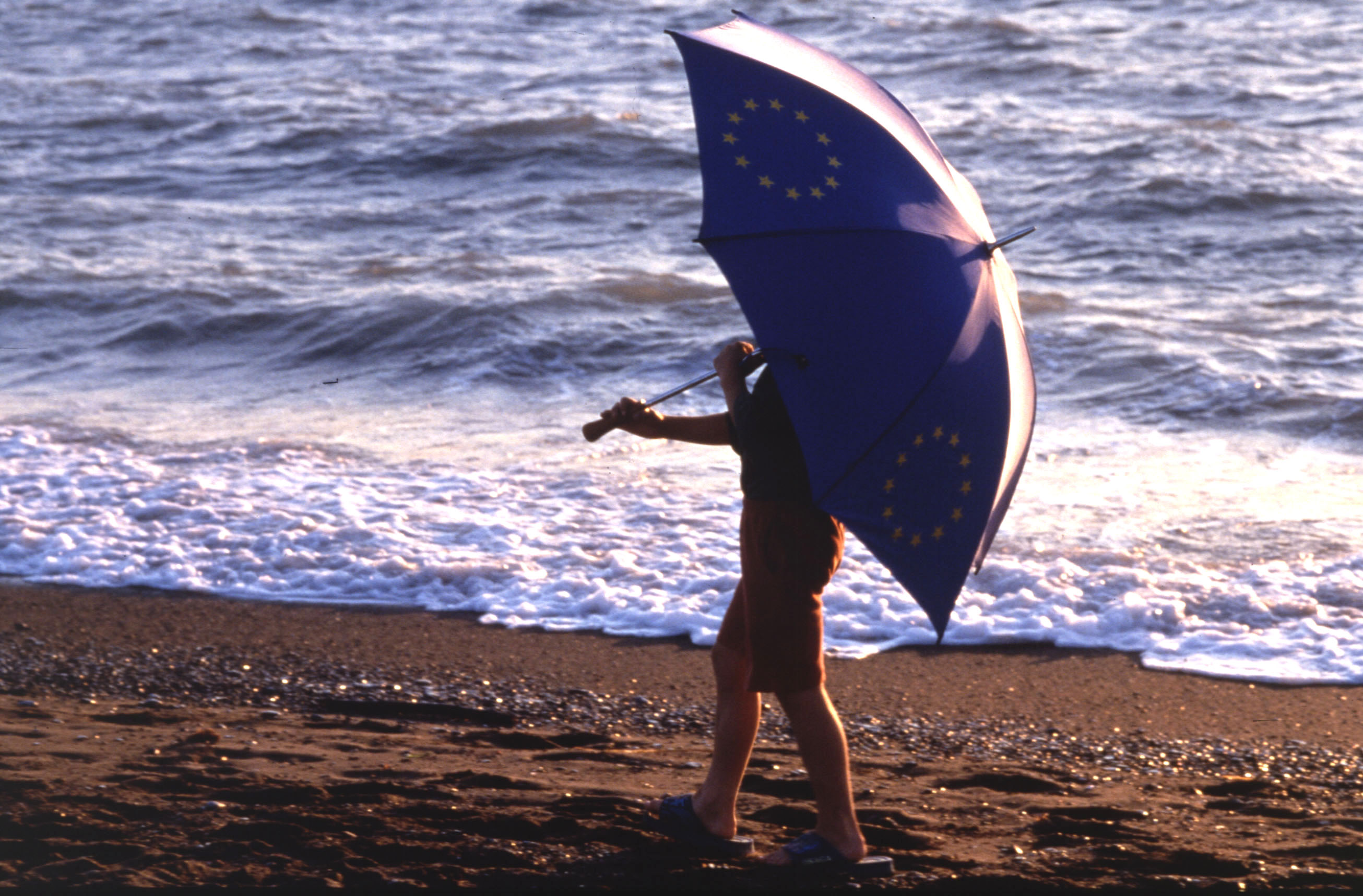
A medical emergency, the loss of a wallet or a strong delay in flights: who can travellers turn to? The unexpected whilst travelling occurs more often than not, and when we’re miles away from home all solutions seem difficult. As the holiday season is starting the EU Commission published a guide (and a website) for tourists and travellers within and outside the European Union, amounting to several million during the summer.The tourist sector. The "recommendations" and the suggestions of the Executive range from medical insurance to the resolution of controversies with an operator, bus or boat travel, car rentals and travelling with pets. "These tips provide a useful insight into the ways in which the EU is working to help and assist travellers" in EU27 countries or in other Continents, states the Commission. With the entry into force of the Lisbon Treaty tourism has become partly a competence of the European Union. Not only: for several States tourism and hospitality are an important source of income, which becomes a key sector of the economy of several nations, especially as relates to the incomes linked to summer holidays (Mediterranean countries), as also in the case of cultural (artistic cities), winter (skiing resorts) and professional (conferences, business travel) tourism. The European card. The first suggestions of the EU guide (available by logging on http://europa.eu/youreurope/citizens/travel) regard personal health and the eventual recourse to medical-health structures. In these cases the Commission suggests to always carry the European Health Insurance Card (EHIC). "The card can help you save time, hassle and money if you fall ill or suffer an injury while abroad". The Card is available – free of charge – "from national health insurance providers". "It guarantees access to urgent treatment under the same conditions and at the same cost (free in some countries) as people insured in that country". A handy guide on how to use the Card in the 27 EU countries, Iceland, Lichtenstein, Norway and Switzerland is now available as an application for smartphones. The app is available in 24 languages. Emergency number. Under the question "who should I call in case of emergency?" the guide’s answer is: "112 is the single European emergency number, reachable everywhere in the EU, from landlines and mobile phones, free of charge. 112 links the caller to the relevant emergency service (local police, fire brigade or medical services) and is available 24-hours a day. 112 is now operational in all EU member states alongside existing national emergency numbers. Denmark, Finland, Malta, The Netherlands, Portugal, Romania and Sweden have decided to make 112 their sole or main national emergency number. 112 is also being used in a few countries outside the EU, such as Croatia, Montenegro and Turkey. When travelling outside Europe but the country of destination has no embassy or consulate of the traveller’s country – which happens more often than not – the guide explains: "As a citizen of an EU Member State, you are automatically an EU citizen, thus entitled to consular assistance if you are outside the EU (even though your own country is not represented). You can go to any other EU Member State’s consulate or embassy to ask for help, if for example you are arrested, have a serious accident or lose important documents". Advice and rights. Other information – hopefully never needed but which could turn helpful in extreme situations – are those cases of a missing child, the operator of a package holiday that went bust, flight or train cancellations, as well as problems regarding boat or bus trips. EU legislation provides for the defense of the rights of disabled persons and persons with reduced mobility. "EU Passenger rights legislation has been set up to protect disabled persons and persons with reduced mobility from discrimination when travelling by air or train, and to enable them to have the same access to mobility as other citizens". More accurate information is available on dedicated websites. "If you are unable to resolve the complaint with a company based in another EU country, a European Consumer Centre in your country can help you with your case. (http://ec.europa.eu/consumers/ecc, currently in 10 languages). It is made up of 29 centres, one in each of the 27 EU Member States and also in Iceland and Norway", the Commission makes known.
