
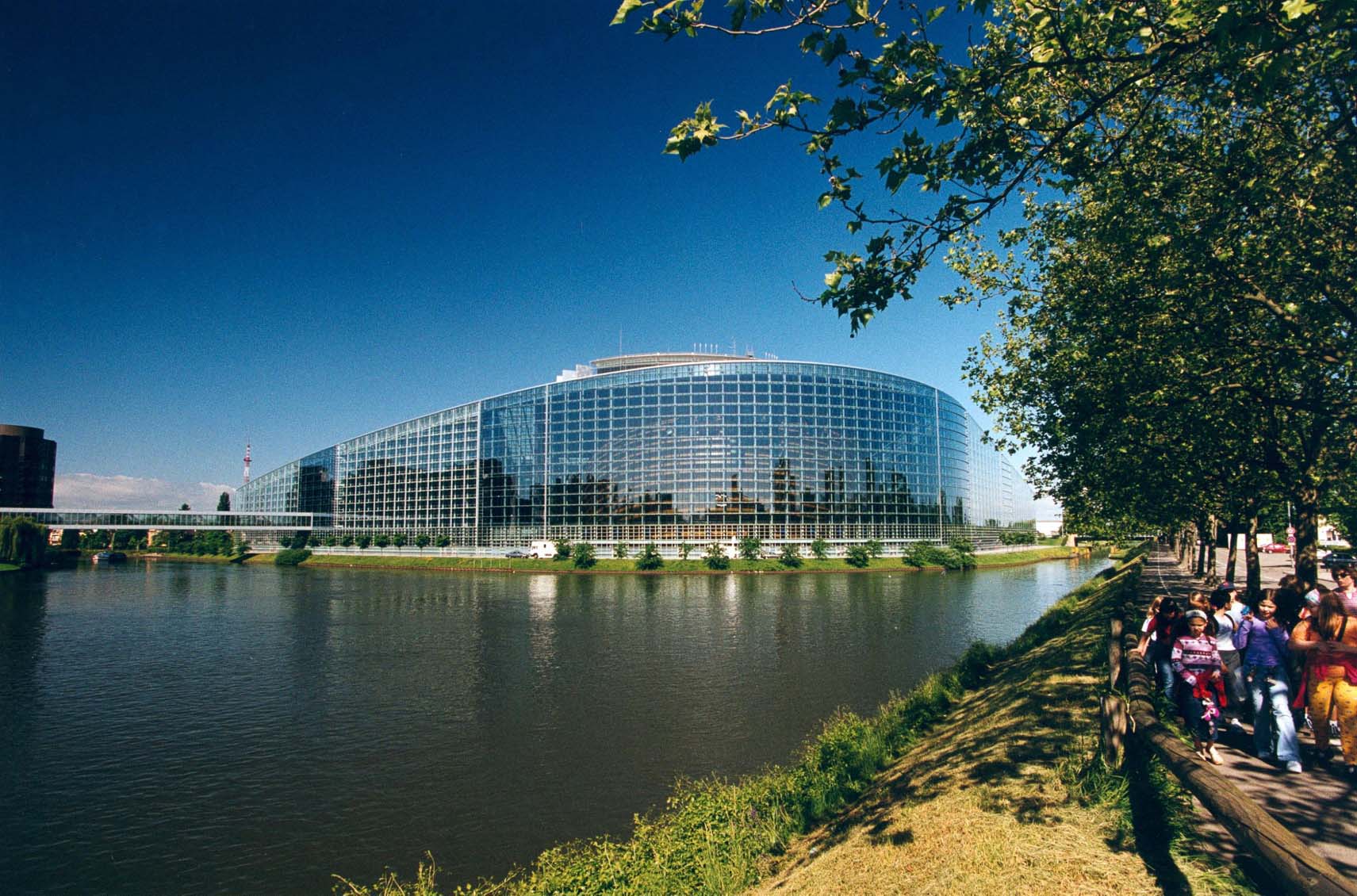
European Parliament, relentless fight on organized crimeAsylum rights, freedom of religion and of speech, reform of the Schengen system, food aid to the poor, the unrests in Turkey and the situation in Greece: the plenary session of the European Parliament, held in Strasbourg June 10-13, addressed a wide range of topical issues, many of which pertain to citizens’ rights and the economic and social problems afflicting Europe. MEPs adopted a document (mid term report of the Special Committee on Organized Crime, Corruption and Money Laundering) that highlights the need for a joint commitment against cross-border organized crime. The document states that strengthening judicial and police cooperation throughout the EU and between it and third countries is of "vital importance to protect the financial interests" of Europe against organized crime, corruption and money laundering. Parliament calls on the Commission to submit a legislative proposal "to establish a program for the protection of complainants (whistleblower), which should also cover the witnesses and informants". Special protections are requested for minors and victims of trafficking. The report highlights the need for the creation of a European Public Prosecutor. Again, for reasons related to crime prevention, the Assembly requested the abolition of bank secrecy. Whoever is held guilty of serious crimes against the public interest (human trafficking, exploitation of child labour, money laundering) should be barred, the Document states, from participating to public procurement for 5 years, while persons found guilty of charges of corruption should be barred to stand for election to public office for at least 5 years. Summit and crisis, "governments should act seriously" "Contradictory messages are coming from different capitals while the crisis requires immediate action. We need to accelerate structural reforms". José Manuel Barroso, president of the EU Commission, on June 12 addressed MEPs in Strasbourg on the European Council of June 27-28 that will address urgent issues in the fields of economy, employment, banking and monetary union. "Strong cooperation is the only feasible path, as the crisis affects us all. We need fiscal consolidation to ensure the return to sustainable growth. We need to accelerate these structural reforms to boost competitiveness and we need to implement actions that will have an impact on the short run, especially as relates to employment and job creation for the young". Barroso said that the Summit of the end of June has to give the kick off to banking union: "Excessively tight access to credit remains a key obstacle to the revival of economic activity" he added. The banking sector ought to meet this need. Barroso invited Member Countries to overcome resistances to the Multiannual Financial Framework: "There is an urgent need for funds to revitalize investments and consumption" that can also come from Community budget. Sarajevo on the streets to defend citizens’ rights The wave of protests in Istanbul indirectly involved also Sarayevo, capital of Bosnia-Herzegovina. In the past days citizens rallied against political leaders accused of corruption and incapacity. The protests broke out to defend the rights of a girl of just three months, Belmina Ibrisevic, which urgently needed medical care. The Bosnian structures were not, however, able to provide it, so the parents wanted to take her to Germany. The girl, like many other Bosnian children, however, was not in possession of JMBG (Jedinstveni Matiæni Broj Graðana), i.e. the tax code, without which it is not possible to apply for a passport, and thus leave the country. The Constitutional Court of the Balkan state since last February had, in fact, abolished the previous rule which regulated the assignment of tax codes, due to a complex dispute over the proper naming of some municipalities located in Republika Srpska, one of the two areas that make up Bosnia and Herzegovina. Thus some children are without ID documents, and cannot avail themselves of basic services, including public health. Protests grew in just a few hours. The Council of Ministers of Bosnia has, in fact, decided which territories correspond to the registration of tax codes. The provision came into force at the time of the decision, and will remain in force for the next 180 days, after which Parliament will meet again and adopt the corresponding final law.
