POLAND
Warsaw discusses a norm to allocate 0.5% of income taxes to the Church

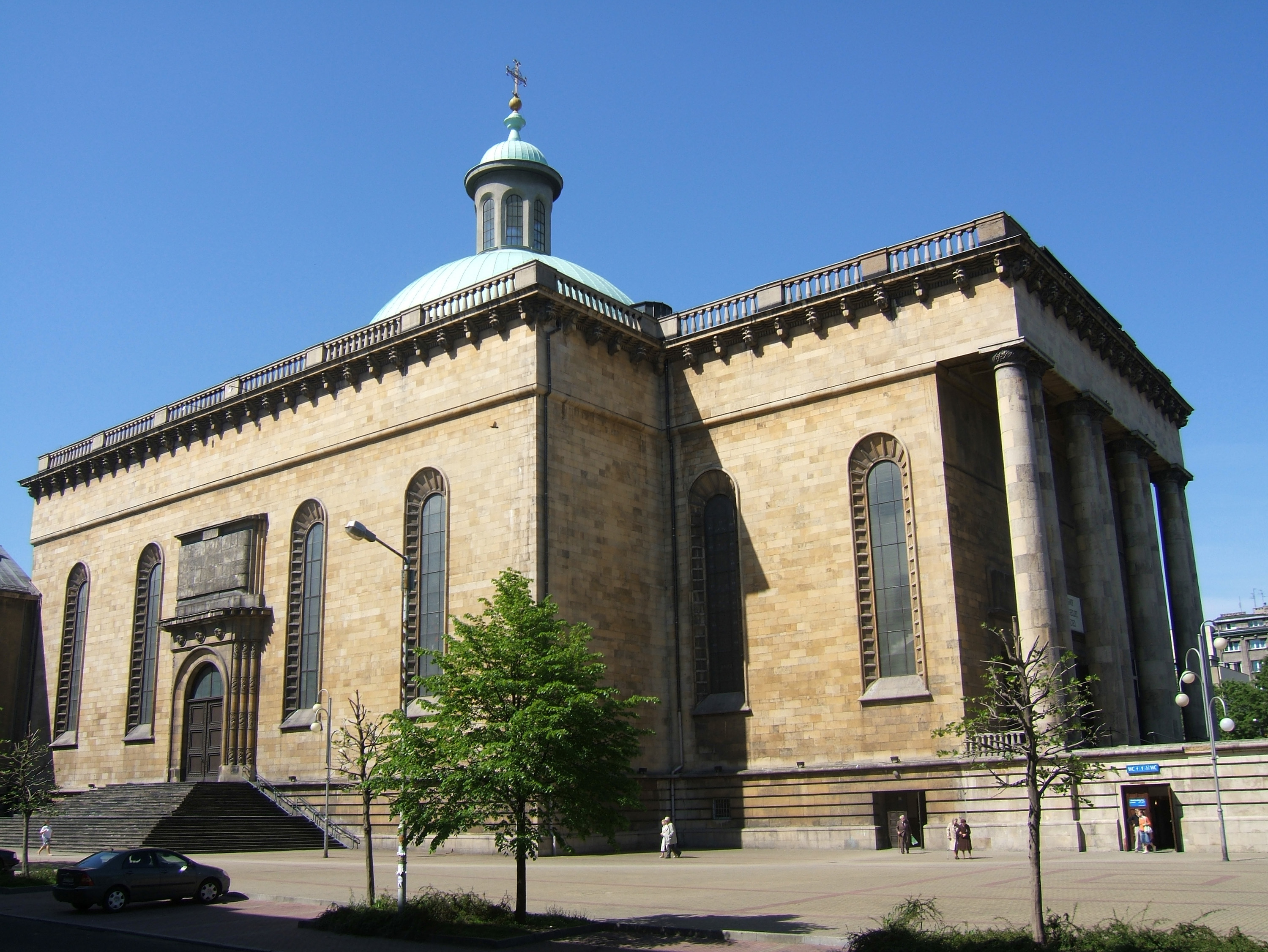
"Three quarters of the needs of the Polish Church are funded with the offerings of the faithful", said cardinal Kazimierz Nycz, Archbishop of Warsaw, president of the economic council of the episcopate. The prelate said that to ensure the sustenance of 10 thousand parishes in 44 diocese of the country, men and women congregations, pastoral works, maintenance of churches and of other church property, and for the carrying out of charity and educational initiatives, the Church in Poland needs 2 bilion euros (8 bln zloty) per year. The remaining 20% of funding is ensured by the State which co-funds Catholic schools, catechesis classes in primary and secondary education and the preservation of ecclesial cultural heritage. A legislative proposal up for parliamentary debate. The draft bill, that partly mirrors Italian legislation and envisages the allocation of 0.5% of tax revenues of Polish citizens to religious communities and Christian Churches, is tabled for debate in Parliament in mid-June. The amount of the contribution was decided during long negotiations between the Catholic Church and government authorities, and although it was approved also by other Christian Churches, the Orthodox Church strives to give its consent, on the grounds that Orthodox communities are more numerous in poor rural areas, whose tax revenues -and thus the contributions to the Orthodox Church – are remarkably low. Until now state funding for religious activities, pointed out Cardinal Nycz, "has been the object of political dispute". Moreover, added the president of the Bishops’ Commission for financial surveillance, Msgr. Wiktor Skworc, "first of all order must be put in Church finances", which owing to complex historical and geographic vicissitues, lack clarity". While the president of the Commission for questions regarding the concordat of the episcopate Msgr. Stanislaw Budzik, praising the "generosity of the faithful", underlines the need for "greater transparency in Church spending". During and after Communism. In the years 1948-50 Communist authorities stripped the Polish Church of 90% of land and other property, after having lost half of its property (over 210 thousand hectares of land) owing to the change in borders after World War Two. The Church property thus handed to State ownership should have served to fund the so-called Ecclesiastic Fund. To the Fund were given 145 thousand hectares of land previously owned by the Catholic Church, that maintained its property or only the usufruct of 25 thousand hectares of land, sometimes even without the use of its buildings. A recent survey shows that revenues of the Fund during 39 years (1950-1989) of Communism were employed to finance activities against the Church or religious activities (such as the financing of the Specialization School at the Central Committee of the Polish United Worker’s Party – POUP). With the fall of the Communist regime, the benefits of the Ecclesiastic Fund for religious activities increased, but today the Fund entirely covers social insurance contributions of the religious. Restitution of property and compensation. Since 1990 the Polish Catholic Church, along with other religious communities, obtained the restitution of goods, or in case it were no longer possible, compensation. But according to the author of the survey on Church property, 65 hectares of land still have to be returned to the Polish Church. In order to settle an otherwise endless controversy and find a solution to the property dispute between the Churches and the Polish State, in mid 2012 the Catholic Church submitted a proposal to the government envisaging a 1% deduction from tax revenue to religious activities. Marcin Przeciszewski, editor-in-chief of the Catholic news agency KAI justly said that "the government’s firmness in allowing for only a 0.3% deduction for over a year and a half, led to view the 0.5% deduction as a success".
