CHURCHES IN BRIEF " "

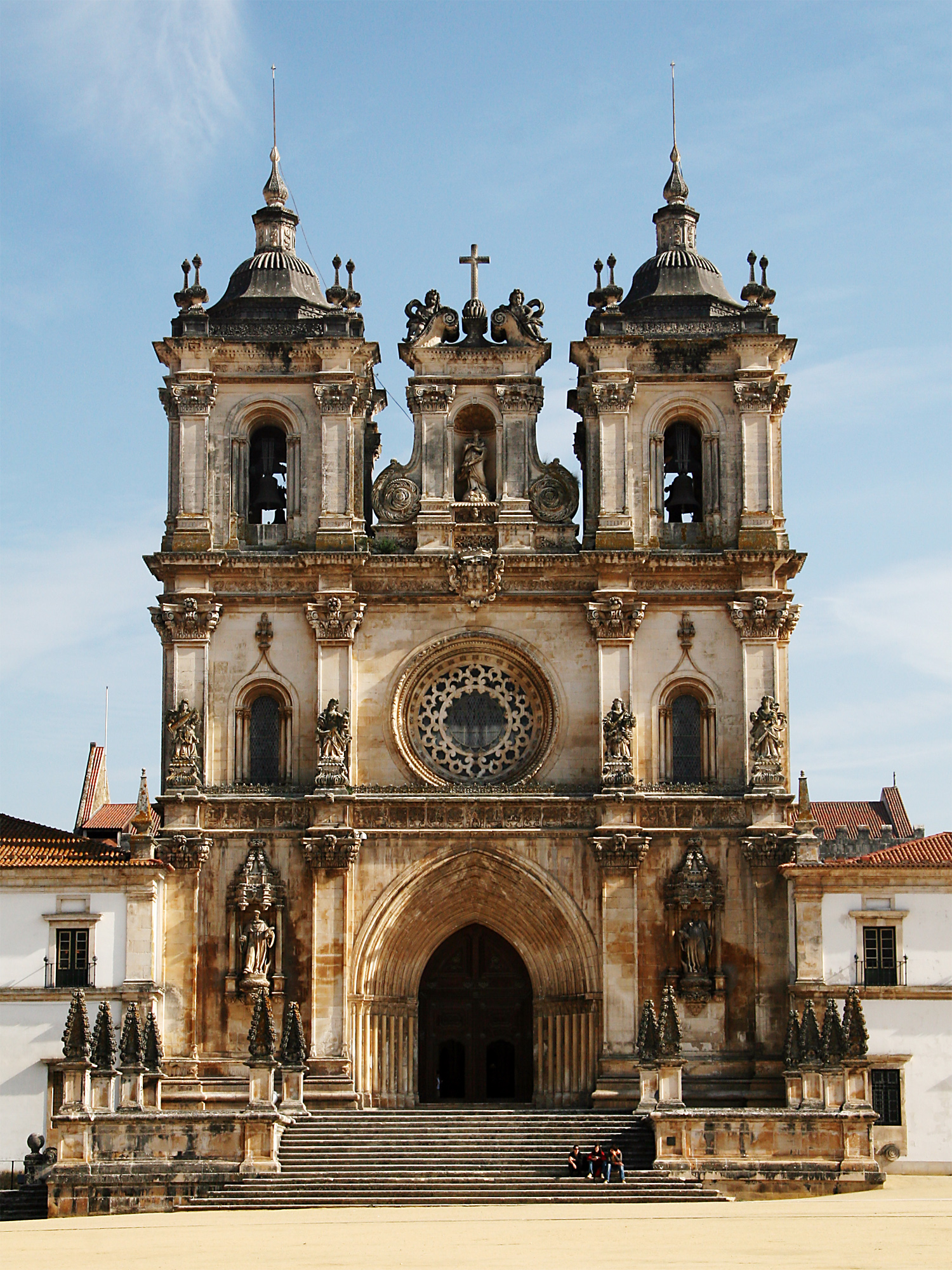
Portugal: health pastoral care to open a new cycle The national Commission for Health Pastoral Care (CNPS) has decided to renew its “structures and methods” to as to effectively respond to the difficulties linked to the ongoing social and economic crisis. In a press release Portuguese Church body communicates its commitment “for a new cycle that will promote a closer relationship with social pastoral care”, un support of individuals and communities, notably those that are isolated and in greater need. The decision was taken during the 25th National meeting of Social Pastoral Care workers, that closed in Fatima on May 31 on “the art of assisting”. During the meeting there emerged the need for a stronger, concrete commitment for “the formation of social workers and volunteers, the promotion of ecumenism and interreligious dialogue, and for the adoption policies encouraging co-responsibility at institutional level, whose primary goal should be individuals’ full recovery”. Participants highlighted the need for “greater structural relations between other areas for pastoral care of the Catholic Church”, such as those related to the family and the youths. “In all areas, health is the utmost value needing protection, promotion and recovery. There is an urgent need to counter tragically dropping birth rates, and promote dedicated education among the young, especially as relates to consumption, nutrition, and sexuality”. The coordinators of the national Commission intend to offer their “concrete cooperation in all initiatives of the Ministry of Health or other institutions, such as support to blood donors in all areas of the country, the formation of experts in protecting children and old people from natural disasters, and cooperation with epidemics prevention programs, implemented by the General Health Directorate”.Germany: for a joint Eucharistic celebration A joint Eucharistic celebration of Catholics and Protestants could not exist without an agreement on the significance of the Church, said Monsignor Robert Zollitsch, president of the German Bishops’ Conference (DBK) in an article published June 4 by German daily “Die Welt”. “Ecumenical dialogue is particularly important to this regard. If we reached an agreement, it would represent a decisive step towards the common celebration of the Eucharist”, said the archbishop of Freiburg. At the same time, Msgr. Zollitsch pointed out that ecumenical dialogue “has made much progress” as regards the understanding of the Eucharist with Reformed Churches, “notably with the Lutheran Churches”, underlined the DBK president on the eve of the Eucharistic Congress that opens June 5 in Cologne, due to be attended by some 30 thousand people. The meeting, said Msgr. Zolltisch, is a “portion of the plurality of Catholic life in Germany, where three million Catholics every Sunday attend Mass, whose apex is the Eucharist”.France: le “Parvis du coeur” in MarseillesInaugurated with the meeting of March 24-25 2011 in Paris, on the invitation of the archbishop of Marseilles Georges Pontier, the Court of the Gentiles (Parvis des gentils), the dialogue initiative between believers and non-belivers promoted by the Pontifical Council for Culture returns to France. On June 3 Parvis du Coeur (the Court of the Heart) opened in Paris. The event, ongoing until June 8, consist in a week of meetings and round tables promoted by the French archdiocese in conjunction with the Institut Catholique de la Méditerranée, in the framework of “Marseille-Provence 2013 Capitale européenne de la culture”, which hosts the initiatives of the Vatican Dycastery. “Marseille – Provence 2013 is a major event for Marseilles”, said Msgr. Pontier, “it’s natural for the Church to take part” to “promote dialogue in diversity”, identifying our human features”. Despite the “existing French laicité”, the event promotes the “encounter of the civil and religious dimensions” as “in this case it takes it is marked by a secular connotation”, pointed out Cardinal Ravasi, who recalled that the Parvis draws inspiration from the “Voeu des Echevins”, a vow made by civil authorities and by the population of Marseilles during the feast of the Sacred Heart, during the deathly plague epidemics of 1720. Among the highlights of the meeting figure the panel lecture on June 6, on “Humanismes et Religions” by Cardinal Ravasi, Julia Kristeva and Jean-Francois Mattei; the solemn Mass on June 7 in the Sacred Heart Basilica; the same day will take place an academic meeting on Albert Camus and Paul Ricoeur in the 100th anniversary of his birth. On June 8 two events “with a more popular dimension”; “Mosaiques”, a meeting of intercultural dialogue between youths from Mediterranean countries, and “Draw the Mediterranean”: children drawings showcased the d’If Castle in the framework of the “Court of the gentiles”.
